

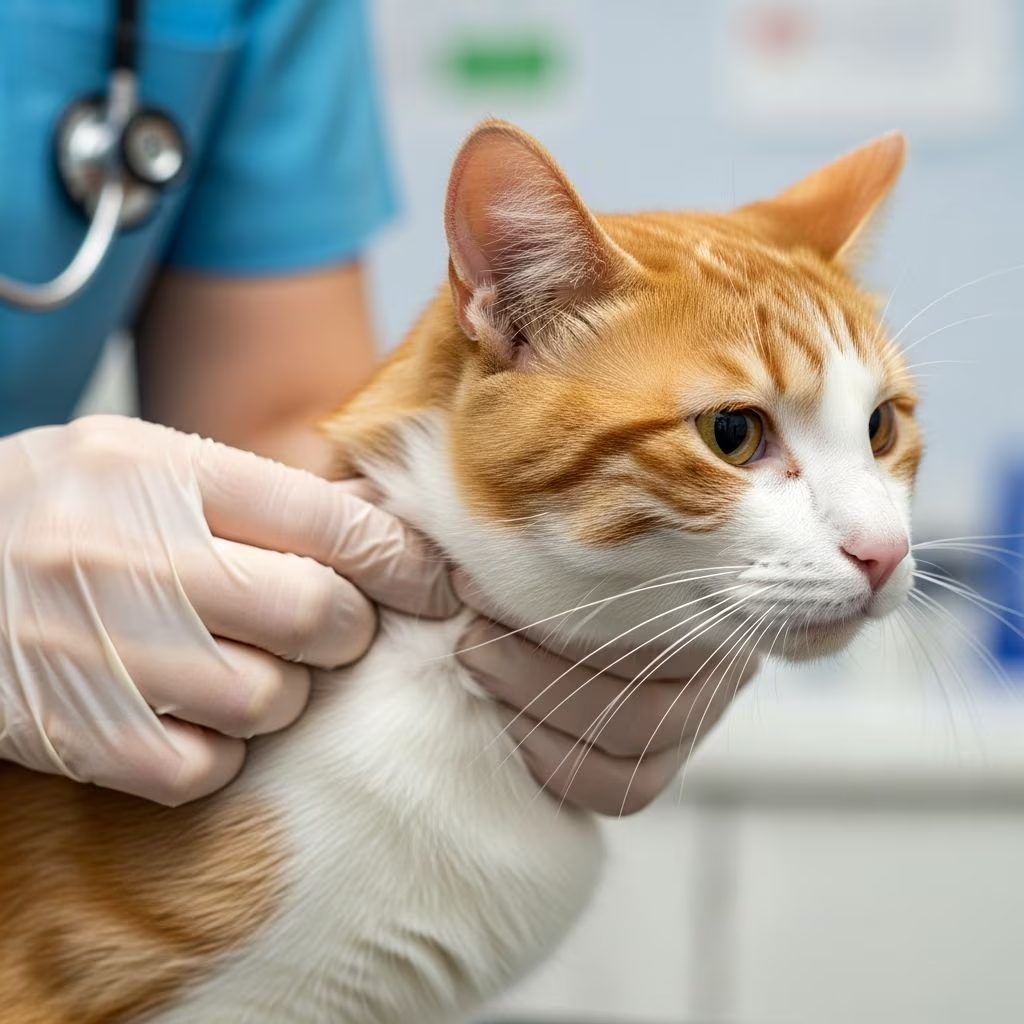
Scruffing, the practice of grabbing and lifting a cat by the loose skin on the back of its neck, is widely discouraged by veterinarians and cat welfare organizations. While inspired by mother cats carrying kittens, it causes pain, stress, and potential injury in cats of all ages, especially adults.
What Is Scruffing?
Scruffing involves pinching and lifting a cat using the scruff—the loose skin at the nape of the neck. Cat owners often use this method for discipline, transport to carriers, grooming, or vet restraint. It triggers an instinctive ‘freeze’ response in young kittens, mimicking how queens transport their litters. However, this natural behavior is limited to neonatal kittens under two weeks old, when their eyes and ears are closed and bodies are lightweight.
As kittens grow beyond 3-4 weeks, their necks strengthen, body weight increases, and scruffing becomes ineffective and harmful. Adult cats, weighing 3-5 kg or more, experience disproportionate strain on neck tissues not designed for full body support.
Why Do Mother Cats Scruff Their Kittens?
Mother cats scruff kittens gently during the first 1-2 weeks of life. At this stage, kittens are tiny (under 200g), blind, and deaf, with flexible spines. The scruff activates a reflex causing limbs to tuck in, immobilizing them safely for transport to safety.
- Neonatal phase only: Queens release immediately upon destination; prolonged holding is unnatural.
- Developmental limit: By 3-4 weeks, kittens resist and vocalize in protest, signaling discomfort.
- Not for discipline: Mothers use scruffing for relocation, not punishment—pairing it with negative contexts harms trust.
Human scruffing ignores these limits, applying adult force to sensitive anatomy across all life stages.
Risks and Downsides of Scruffing Cats
Veterinarians unanimously advise against scruffing due to documented physical and psychological harms. The scruff overlies nerves, blood vessels, and the cervical spine, making it vulnerable.
Physical Harm
- Pain and bruising: Pinching compresses sensitive skin and subcutaneous tissues, causing soft tissue damage in heavier cats.
- Spinal stress: Unsupported weight strains the neck vertebrae and muscles; improper grip risks whiplash-like injury.
- Nerve damage: The area is nerve-rich; forceful handling irritates sensory endings, leading to chronic discomfort.
Psychological Harm
- Acute stress: Triggers fear response, elevating cortisol. Cats freeze from terror, not calm—heart rate spikes, pupils dilate.
- Anxiety buildup: Repeated use fosters handler aversion, worsening fear of vets, groomers, or owners.
- Behavioral fallout: Links handling to pain, causing aggression, hiding, or shutdown during care.
A 2020 study compared restraint methods: scruffing caused higher stress indicators (vocalizations, struggles) than passive holding.
Expert Opinions: The Veterinary Consensus
Leading organizations reject scruffing outright:
- International Cat Care: ‘Against scruffing as restraint due to stress and distress.’ Exceptions only for imminent danger, never routine.
- Catster vets: ‘Not safe, never recommended.’ Mimics outdated myths ignoring adult anatomy.
- Tufts University: Triggers fear in adults; positive methods superior.
Groomers note light shoulder pressure (not lifting) for brief control, always supporting the body. Consensus: Positive reinforcement outperforms force.
Humane Alternatives to Scruffing
Safe handling prioritizes calm, support, and choice. Train via rewards to build tolerance.
General Restraint Techniques
- Stay calm: Use soft voice, slow movements. Let cat approach.
- Full body support: One hand under chest, other under hindquarters. Never dangling legs.
- Towel burrito: Wrap body snugly, expose head/legs as needed. Reduces scratches.
Grooming and Medication
- Air muzzle: Breathable hood calms nervous cats, allows monitoring.
- Grooming loop: Sash-style over leg/head (never neck alone).
- Passive restraint: Hold minimally in preferred position—lowest stress per research.
Vet Visits and Carriers
- Carrier training: Feed meals inside; use pheromone sprays.
- Cat bags: Zippered pouches expose limbs/head safely.
- Professional sedation: For severe fear, consult vets for low-stress options.
| Method | Best For | Pros | Cons |
|---|---|---|---|
| Towel Wrap | Grooming, meds | Secure, low-cost | May overheat |
| Air Muzzle | Nervous cats | Breathable, hides face | Learning curve |
| Passive Hold | Exams | Minimal stress | Requires patience |
| Scruffing | None | Harmful | Pain, fear |
Training Cats for Positive Handling
Prevent resistance proactively:
- Daily touch: Pair petting sensitive areas (paws, ears) with treats from kittenhood.
- Counter-conditioning: Associate carriers/grooming tools with rewards.
- Enrichment: Toys, perches reduce stress baseline.
- **Professional help:** Certified trainers for aggressive cases.
Success metrics: Relaxed body, slow blinks, purring indicate trust.
Frequently Asked Questions (FAQs)
Is scruffing ever okay for adult cats?
No, except rare emergencies threatening life. Vets confirm it’s painful and stressful.
Why do some groomers still scruff lightly?
Light shoulder pinch (no lift) for seconds only, with body support. Observe cat’s response; discontinue if stressed.
What if my cat relaxes when scruffed?
Freezing mimics calm but signals fear. Use body language (ears back, tail flick) to assess true state.
How to handle vet visits without scruffing?
Towel wraps, passive holds, or Fear Free® certified clinics. Acclimate carriers weekly.
Alternatives for feral/community cats?
Drop traps, humane traps with bait. TNR programs use baited carriers, avoid direct handling.
Conclusion
Scruffing is an outdated myth perpetuated by observation bias. Modern cat care emphasizes empathy, science-backed methods preserve welfare and bonds. Switch to alternatives for healthier, happier felines.
References
- Scruffing a Cat: Vet-Reviewed Risks & Safety Advice — Catster. 2023. https://www.catster.com/cat-health-care/scruffing-a-cat/
- Using Restraints on Cats — National Cat Groomers Institute. 2022. https://nationalcatgroomers.com/blogs/cat-grooming-training/using-restraints-on-cats
- Position Statements — International Cat Care. 2024. https://icatcare.org/position-statements
- Stop Cat Scruffing Now — Ultimates Indulge. 2021. https://www.ultimatesindulge.com.au/stop-cat-scruffing-now
- Is Scruffing the Best Way to Handle an Upset Cat? — Tufts Now. 2019-08-14. https://now.tufts.edu/2019/08/14/scruffing-best-way-handle-upset-cat



