

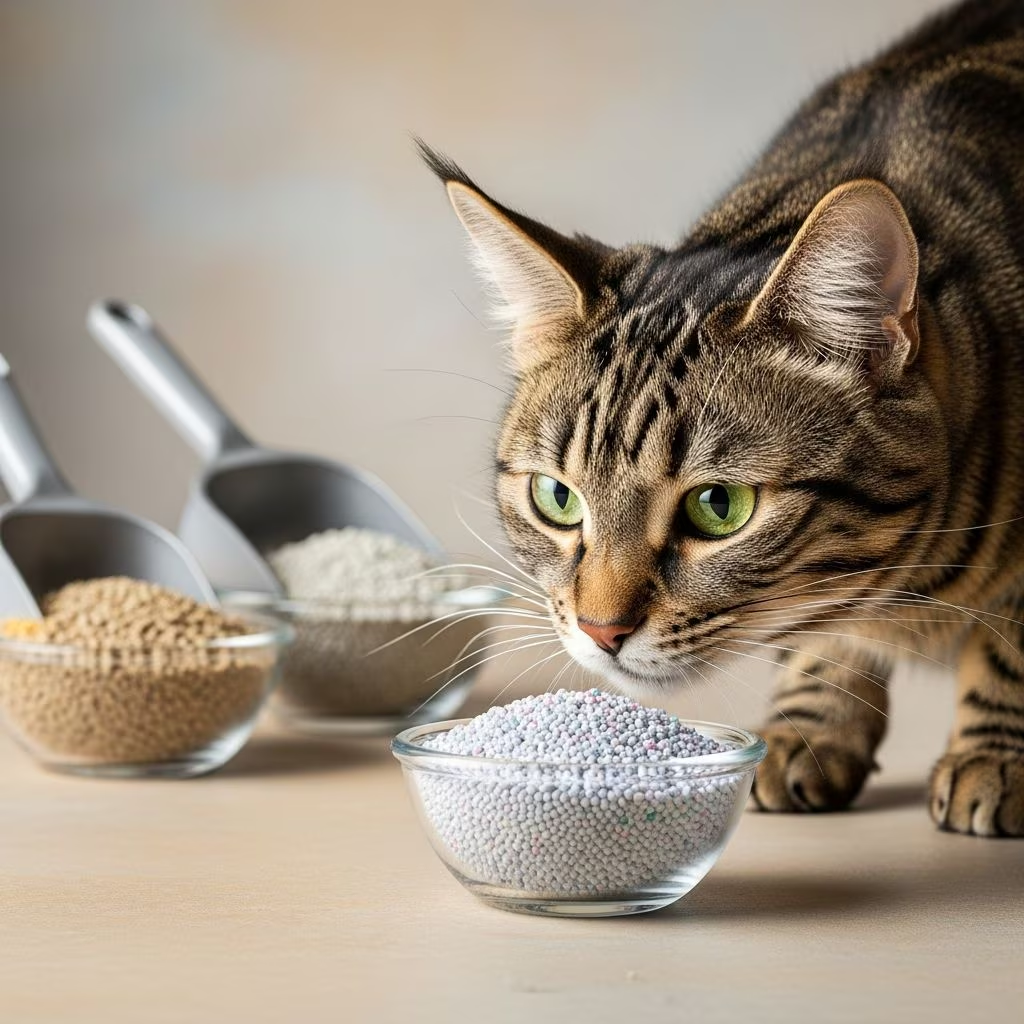
Scented cat litter is designed to mask odors and keep homes smelling fresh, but it raises concerns about feline safety due to potential respiratory irritation, skin sensitivities, and behavioral issues. While appealing to humans, these fragrances can overwhelm cats’ sensitive noses, leading vets to often recommend unscented options for better health outcomes.
Quick Answer: Is Scented Litter Safe for Cats?
No, scented litter is generally not safe for most cats and is best avoided. The artificial fragrances and chemicals can cause respiratory problems, allergies, stress, and litter box avoidance, particularly in sensitive felines. Unscented, low-dust litters like those made from corn, pine, or tofu are safer alternatives that control odors effectively without health risks.
What Makes Scented Litter Unsafe for Cats?
Scented litters often contain synthetic fragrances, essential oils, and chemical deodorizers added to clay-based or other substrates. These additives release volatile organic compounds (VOCs) that irritate a cat’s highly sensitive respiratory system and skin. Cats groom extensively, ingesting trace amounts that may lead to digestive upset, while the overpowering scents disrupt their natural smell-based communication and predator detection instincts.
Clay litters, common in scented varieties, produce fine dust particles that, when combined with fragrances, exacerbate inhalation risks. Studies and veterinary insights highlight how these elements contribute to chronic issues over time.
Potential Health Risks of Scented Litter
Respiratory Problems
The most significant risk is respiratory irritation from dust and fragrance chemicals. Inhaling fine particles from clay-based scented litters can trigger coughing, sneezing, asthma exacerbations, or bronchitis in cats. Cats with pre-existing conditions like feline asthma are especially vulnerable, as fragrances overwhelm their senses and inflame airways.
- Dust inhalation leads to chronic respiratory conditions like asthma or bronchitis.
- Synthetic scents release VOCs that irritate the respiratory tract.
- Sensitive cats may develop coughing, sneezing, or labored breathing.
Skin Irritation and Allergies
Direct contact with scented litter can cause paw pad irritation, dermatitis, or allergic reactions. Fragrances and antibacterial agents in these products trigger sensitivities, manifesting as redness, itching, or excessive grooming. Ingested via grooming, they may cause gastrointestinal blockages or toxicity.
- Skin contact results in irritation or allergic dermatitis.
- Grooming ingests chemicals, risking digestive issues.
- Bacterial agents heighten allergy risks in sensitive cats.
Urinary and Behavioral Issues
Scented litters mask natural waste odors, confusing cats and causing litter box avoidance. This stress contributes to Feline Idiopathic Cystitis (FIC), characterized by bladder inflammation, painful urination, blood in urine, and house soiling. Cats unable to detect environmental cues feel heightened anxiety, worsening these conditions.
- Litter avoidance leads to urinary tract infections (UTIs).
- Stress from disrupted smell instincts triggers FIC.
- Accidents outside the box indicate discomfort or health problems.
Long-Term Health Concerns
Prolonged exposure to chemicals in scented litters may pose cumulative risks, including hormonal disruptions or carcinogenic effects from VOCs. While not directly proven in all cases, veterinary experts caution against regular use, especially for kittens, seniors, or multi-cat households where exposure intensifies.
Why Do Cats Dislike Scented Litter?
Cats possess a sense of smell 14 times stronger than humans, making even mild fragrances overwhelming. Natural litter odors signal safety and familiarity; artificial scents interfere with territorial marking, waste detection, and instinctual behaviors. This discomfort prompts box avoidance, increasing accident risks and stress-related illnesses.
- Overpowering scents mask natural cues, causing confusion.
- Heightened sensitivity leads to immediate rejection.
- Stress impacts mental health and urinary function.
Pros and Cons of Scented Cat Litter
| Pros | Cons |
|---|---|
| Effective odor control for humans in small spaces. | Respiratory irritation and asthma risks for cats. |
| Variety of pleasant scents like lavender or ocean. | Skin allergies, digestive issues from ingestion. |
| Convenient for multi-cat homes initially. | Litter box avoidance and urinary problems. |
| May reduce perceived cleaning frequency. | Long-term chemical exposure concerns. |
While scented litters benefit human noses, the cons heavily outweigh them for cat health.
Safe Alternatives to Scented Litter
Opt for unscented, natural litters to minimize risks while maintaining cleanliness. These options use plant-based materials with inherent odor control.
- Unscented Clay Litter: Low-dust formulas reduce inhalation risks.
- Pine or Wood Pellets: Natural scents from pine absorb odors without additives.
- Corn or Wheat Litters: Biodegradable, clumping, and hypoallergenic.
- Tofu or Soy Litters: Dust-free, flushable, and gentle on paws.
- Silica Gel Crystals: Non-clumping but excellent for odor trapping (unscented).
Brands like PrettyLitter offer lightly scented, cat-safe options with health-monitoring features, but pure unscented remains ideal.
Tips for Odor Control Without Scented Litter
Maintain a fresh home sans fragrances through diligent hygiene.
- Scoop litter box daily and fully change weekly.
- Use enclosed boxes or multiple boxes (one per cat plus one).
- Improve ventilation and place boxes in quiet areas.
- Add baking soda or natural deodorizers sparingly.
- Air purifiers capture dust and allergens effectively.
When Is Scented Litter Okay?
Rarely, if your cat tolerates it without issues and it’s made with natural, mild ingredients. Monitor for sneezing, avoidance, or urinary signs. Consult a vet for personalized advice, especially for kittens, elderly cats, or those with asthma.
Frequently Asked Questions (FAQs)
Is scented litter toxic to cats?
Not acutely toxic, but fragrances and dust cause irritation, allergies, and chronic issues like asthma. Safer to avoid.
Can scented litter cause UTI in cats?
Indirectly yes—box avoidance from dislike leads to holding urine, straining, and infections. Switch to unscented promptly.
What litter is best for cats with asthma?
Unscented, low-dust natural litters like tofu, corn, or pine. Avoid clay entirely.
Does scented litter make cats sneeze?
Yes, frequently due to chemical irritants and dust overwhelming sensitive airways.
Are there safe scented litters?
Lightly scented natural options exist, but unscented is universally recommended by vets.
Conclusion
Prioritizing unscented litter safeguards your cat’s respiratory health, skin, and behavior while keeping your home odor-free through proper maintenance. Transition gradually by mixing with old litter and observe your cat’s response for a happier, healthier feline.
References
- Is Scented Litter Bad for Cats? — WOpet. 2023. https://wopet.com/is-scented-litter-bad-for-cats/
- Can Cat Litter Make You Sick? Health Risks and Safe Practices — Michupet. 2023. https://michupet.com/blogs/guide/can-cat-litter-make-you-sick
- The Truth Behind Scented Litter: Why It May Be Putting Your Cat at Risk — Dr. Elsey’s. 2023. https://drelseys.com/the-truth-behind-scented-litter-why-it-may-be-putting-your-cat-at-risk/
- Is Scented Litter Bad for Cats? — PrettyLitter. 2023. https://www.prettylitter.com/blog/is-scented-litter-bad-for-cats
- Toxic Ingredients in Cat Litter: What to Avoid & Why — SoyKitty. 2023. https://soykitty.com/blogs/news/toxic-ingredients-cat-litter



