

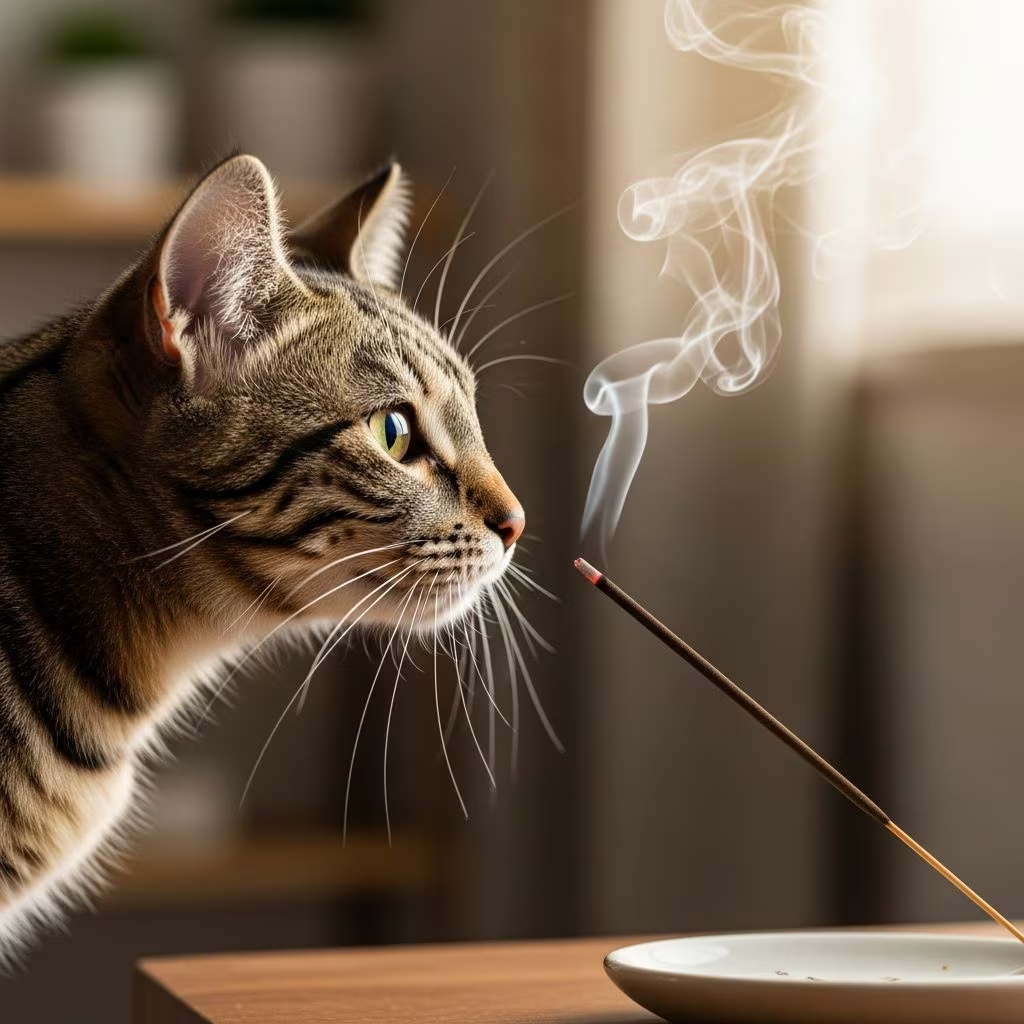
Sandalwood incense is not safe for cats due to the toxic nature of sandalwood essential oil and the harmful smoke produced when burning it. While it may create a pleasant aroma for humans, exposure can lead to respiratory issues, poisoning, and other serious health problems in felines.
Are Incense Sticks Harmful to Cats?
Incense sticks release smoke containing particulate matter, volatile organic compounds (VOCs), and potential toxins that irritate a cat’s sensitive respiratory system. Cats, with their smaller lungs and grooming habits, are particularly vulnerable to inhaling these irritants, which can trigger asthma, inflammation, or long-term lung damage.
Many incense products include synthetic fragrances or essential oils toxic to cats, exacerbating risks beyond just smoke. Sensitive cats, especially those with pre-existing conditions like asthma, face heightened dangers from prolonged exposure.
- Respiratory irritation: Coughing, sneezing, wheezing from particulates lodging in airways.
- Toxin absorption: Inhalation or ingestion via grooming leads to systemic effects.
- Burn risks: Curious cats may knock over burning sticks, causing injuries.
Why Isn’t Sandalwood Incense Safe for Cats?
Sandalwood incense combines general incense hazards with the specific toxicity of sandalwood essential oil, which cats cannot metabolize effectively due to lacking certain liver enzymes. Inhaled, ingested, or absorbed through skin, it causes poisoning symptoms ranging from mild irritation to severe neurological issues.
The oil’s phenols and other compounds build up in a cat’s system, leading to oxidative damage. Smoke amplifies this by delivering concentrated particles directly to the lungs.
Potential Signs of Sandalwood Poisoning
- Drooling excessively
- Pawing at the face or mouth
- Lethargy or weakness
- Vomiting or nausea
- Difficulty breathing or rapid respiration
- Tremors or unsteadiness
- Seizures in severe cases
- Skin irritation or excessive scratching
- Watery eyes or sneezing
If any symptoms appear after incense use, move the cat to fresh air, discontinue exposure, and seek veterinary care immediately. Early intervention can prevent complications.
How to Safely Burn Incense Around Cats
The safest approach is to avoid incense entirely around cats, but if unavoidable, strict precautions minimize risks. Prioritize cat health over ambiance by limiting exposure.
- Ensure ventilation: Burn in well-aired rooms with open windows and fans to disperse smoke quickly.
- Separate spaces: Use in cat-free rooms; air out thoroughly before allowing access.
- Supervise closely: Never leave burning incense unattended to prevent burns or knockdowns.
- Choose minimally risky options: Opt for natural, additive-free incense without toxic oils like sandalwood, though no type is fully safe.
- Monitor reactions: Watch for discomfort signs and stop use if observed.
Even with precautions, incense smoke remains an irritant; alternatives are preferable for multi-pet homes.
Cat-Safe Alternatives to Sandalwood Incense
Maintain a fresh, pleasant home without endangering your cat using non-toxic methods. These options avoid smoke and harmful oils entirely.
| Method | Benefits | How to Use |
|---|---|---|
| Air purifiers with HEPA filters | Removes odors and particulates safely | Run continuously in main areas |
| Baking soda | Absorbs smells naturally | Sprinkle on carpets, vacuum after |
| Ventilation and fans | Circulates fresh air | Open windows daily |
| Cat-safe herbs (e.g., dried catnip) | Appeals to cats, mild scent | Place in bowls away from litter |
| Potpourri from safe plants (e.g., lavender in moderation) | Gentle fragrance | Use sparingly, elevated surfaces |
Avoid diffusers with essential oils, as they pose ingestion risks if tipped. Pet-specific air fresheners from reputable sources may work but verify ingredients.
Is Sandalwood Essential Oil Safe for Cats?
No, sandalwood essential oil is toxic to cats, more potent than incense due to concentration. Direct application, diffusion, or incense-derived exposure can cause severe poisoning. Cats groom oils off fur, ingesting them and overwhelming their livers.
Safe oils for cats are limited; consult vets before use. Common toxics include tea tree, eucalyptus, and indeed sandalwood.
What Should You Do if Your Cat is Exposed?
Act swiftly: ventilate the area, remove the cat from exposure, and monitor for symptoms. Mild cases may resolve with fresh air, but any concerning signs warrant a vet visit. Provide details on exposure duration and type for accurate treatment.
Vets may administer activated charcoal, fluids, or supportive care for poisoning. Prevention trumps treatment—err on caution.
Frequently Asked Questions (FAQs)
Is sandalwood incense harmful to all cats?
Not every cat reacts identically, but risks apply broadly due to physiological sensitivities. Monitor individuals closely.
What signs indicate a poor reaction to incense?
Watch for sneezing, coughing, drooling, lethargy, vomiting, breathing difficulties, or behavioral changes. Stop use and consult a vet.
Can I use sandalwood essential oils instead?
No, they are more concentrated and riskier; avoid entirely around cats.
Is any incense safe for cats?
No incense smoke is truly safe; all pose respiratory risks. Choose alternatives.
How much exposure is too much?
Even brief exposure in poor ventilation can harm sensitive cats; minimize all contact.
Conclusion
Sandalwood incense endangers cats through toxic oils and irritating smoke, potentially causing anything from mild discomfort to life-threatening poisoning. Opt for safe, smoke-free alternatives to protect your feline friend’s health while enjoying a pleasant home environment. Prioritize veterinary advice for any concerns.
References
- Is sandalwood safe for cats? | Dial A Vet — Dial A Vet. 2023. https://www.dialavet.com/vet-answers/sandalwood-incense-safe-for-cats-16343
- Is Sandalwood Incense Safe for Cats? Vet-Verified Facts — Catster. 2024-05-15. https://www.catster.com/cat-health-care/is-sandalwood-incense-safe-for-cats/
- Is Incense Smoke Safe for Cats? What Every Owner Should Know — Healing Sounds. 2023-11-20. https://healing-sounds.com/blogs/spirituality/is-incense-bad-for-cats-guide
- Is it safe to burn incense around pets? — Flore Incense. 2024. https://floreincense.com/blogs/news/how-to-burn-incense-safely-around-pets
- Pets and Incense: What You Need to Know — Spirituality+Health. 2022-08-10. https://www.spiritualityhealth.com/pets-and-incense
- Is Burning Incense Bad for Cats? — Cats.com. 2023. https://cats.com/is-burning-incense-bad-for-cats
- Pet Parent’s Guide to Incense: Safety and Considerations — Asayu Japan. 2024-02-14. https://asayujapan.com/blogs/news/pet-parents-guide-to-incense-safety-and-considerations



