

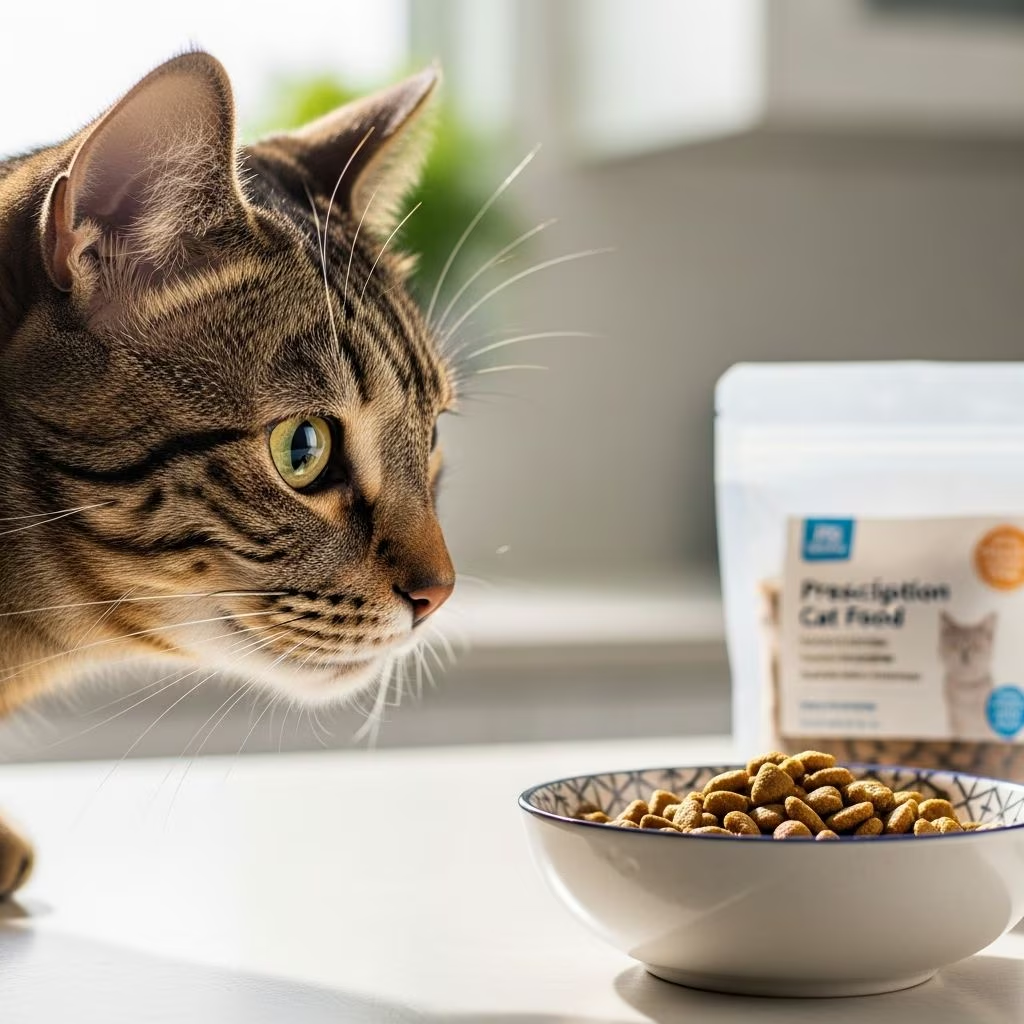
Prescription cat food, also known as therapeutic or veterinary diets, is specially formulated to address specific medical conditions in cats. These diets are prescribed by veterinarians for cats with chronic health issues where standard over-the-counter foods may not suffice. While not every cat needs prescription food, it plays a crucial role in managing conditions like kidney disease, diabetes, and urinary tract problems. This article breaks down how it works, when it’s necessary, its pros and cons, and answers common questions to help cat owners make informed decisions.
How Does Prescription Cat Food Work?
Prescription cat food is designed for cats with particular dietary requirements stemming from health conditions, breed traits, weight issues, or lifestyle factors. Unlike regular cat food, these formulas act like a targeted treatment, modifying nutrient levels to support medical management. They do not contain pharmaceutical drugs despite the name; instead, they feature precise balances of proteins, minerals, fats, and carbohydrates tailored to therapeutic needs.
Veterinarians prescribe these diets after diagnosing a condition, providing a prescription note required for purchase. Available primarily through vet clinics or authorized pet stores, they ensure only cats that need them receive them, preventing misuse. For instance, diets for chronic kidney disease (CKD) reduce protein, phosphorus, and sodium while boosting antioxidants and B vitamins, as recommended by the Cornell Feline Health Center for effective CKD management.
1. Kidney Care
Cats with CKD often require lifelong dietary intervention. Prescription kidney diets ease the kidneys’ workload by limiting phosphorus and protein while maintaining essential nutrients. According to veterinary experts, this modification is a proven treatment component, helping slow disease progression and improve quality of life.
2. Diabetes Care
For diabetic cats, prescription foods emphasize high protein and low carbohydrates to aid weight control and stabilize blood sugar. These formulas mimic a cat’s natural carnivorous diet, reducing glucose spikes and supporting insulin regulation.
3. Urinary Care
Urinary prescription diets target issues like crystals or stones by controlling minerals such as phosphorus and magnesium, while promoting a urine pH that dissolves or prevents stone formation. They also encourage hydration, crucial since stressed cats may drink less, concentrating urine and risking blockages.
Where Is Prescription Cat Food Used?
These diets are integral to treatment or long-term management plans for diagnosed conditions, not prevention in healthy cats. Common applications include CKD, diabetes, urinary disorders, hyperthyroidism, allergies, gastrointestinal problems, obesity, and post-surgical recovery. For example, arthritis formulas incorporate omega-3s, glucosamine, and chondroitin to reduce inflammation and support joint health.
Healthy cats should avoid prescription foods as a staple. Their altered nutrient profiles—such as reduced protein in CKD diets—can lead to deficiencies or imbalances. Texas A&M Veterinary Medicine warns that feeding CKD formulas to healthy cats provides insufficient protein, potentially causing muscle loss or other issues. Occasional nibbles are harmless, but daily use is inappropriate.
Advantages of Prescription Cat Food
- Targeted Treatment: Precisely formulated to manage specific conditions, providing nutrients regular foods lack.
- Format Variety: Offered in wet or dry options, accommodating dental issues or preferences.
- Palatability: Multiple flavors to entice picky eaters, ensuring compliance.
- Comprehensive Nutrition: Balances essentials despite health constraints, supporting overall well-being.
- Vet-Backed Efficacy: Developed by nutritionists and tested for therapeutic results.
Disadvantages of Prescription Cat Food
- Cost: Significantly pricier than standard foods due to specialization; some insurance covers it.
- Accessibility: Requires a vet prescription, limiting impulse buys.
- Not Universal: May not suit every cat with the condition; individual responses vary.
- Supervision Needed: Must be vet-guided to avoid improper use in healthy cats.
Prescription Cat Food FAQs
Why Can’t I Purchase Prescription Cat Food from the Pet Store?
Pet stores and online retailers require a veterinary prescription or note to verify medical need. This regulation prevents self-diagnosis and ensures safety, as these foods are therapeutic, not preventative.
Are Prescription Cat Foods Really Necessary?
Yes, for cats with diagnosed conditions needing dietary modification, like CKD or diabetes. They are not profit-driven gimmicks but evidence-based tools. Healthy cats do not need them and could face nutritional risks.
Can Healthy Cats Eat Prescription Food?
No, not as a regular diet. Formulas for specific issues unbalance nutrition for healthy cats, potentially leading to deficiencies.
How Long Do Cats Need Prescription Food?
Duration varies: lifelong for CKD, shorter for urinary issues post-resolution, or temporary for weight loss. Always follow vet guidance.
Is Prescription Food Covered by Pet Insurance?
Some policies reimburse therapeutic diets; check your provider.
| Condition | Prescription Diet Key Features | Standard Food Difference |
|---|---|---|
| Kidney Disease | Low protein/phosphorus, high antioxidants | Higher protein, balanced minerals |
| Diabetes | High protein, low carbs | Balanced carbs for energy |
| Urinary Issues | Controlled minerals, urine pH adjustment | Standard mineral levels |
| Obesity | Calorie-restricted, high fiber | Full-calorie for maintenance |
Prescription cat food is a vital tool when standard diets fall short, but it’s not for everyone. Consult your vet to determine if your cat’s needs warrant it, ensuring optimal health through personalized nutrition.
References
- Is Prescription Cat Food Necessary? Vet-Verified Health & Nutrition — Catster. 2023. https://www.catster.com/cat-health-care/is-prescription-cat-food-necessary/
- Does My Pet Need Prescription Pet Food? — Pet Assure. 2023. https://www.petassure.com/maxscorner/does-my-pet-need-prescription-pet-food/
- What To Know About Feeding Your Cat Prescription Food — Texas A&M College of Veterinary Medicine & Biomedical Sciences. 2023. https://vetmed.tamu.edu/news/pet-talk/cat-prescription-food/
- Pet Prescription Diets | Rx Diets for Dogs & Cats — Tomlinson’s Feed. 2023. https://tomlinsons.com/blogs/articles/prescription-pet-diets-101
- Prescription Pet Food In Montclair, NJ — Montclair Veterinary Hospital. 2023. https://montclairvets.com/services/prescription-pet-food/



