

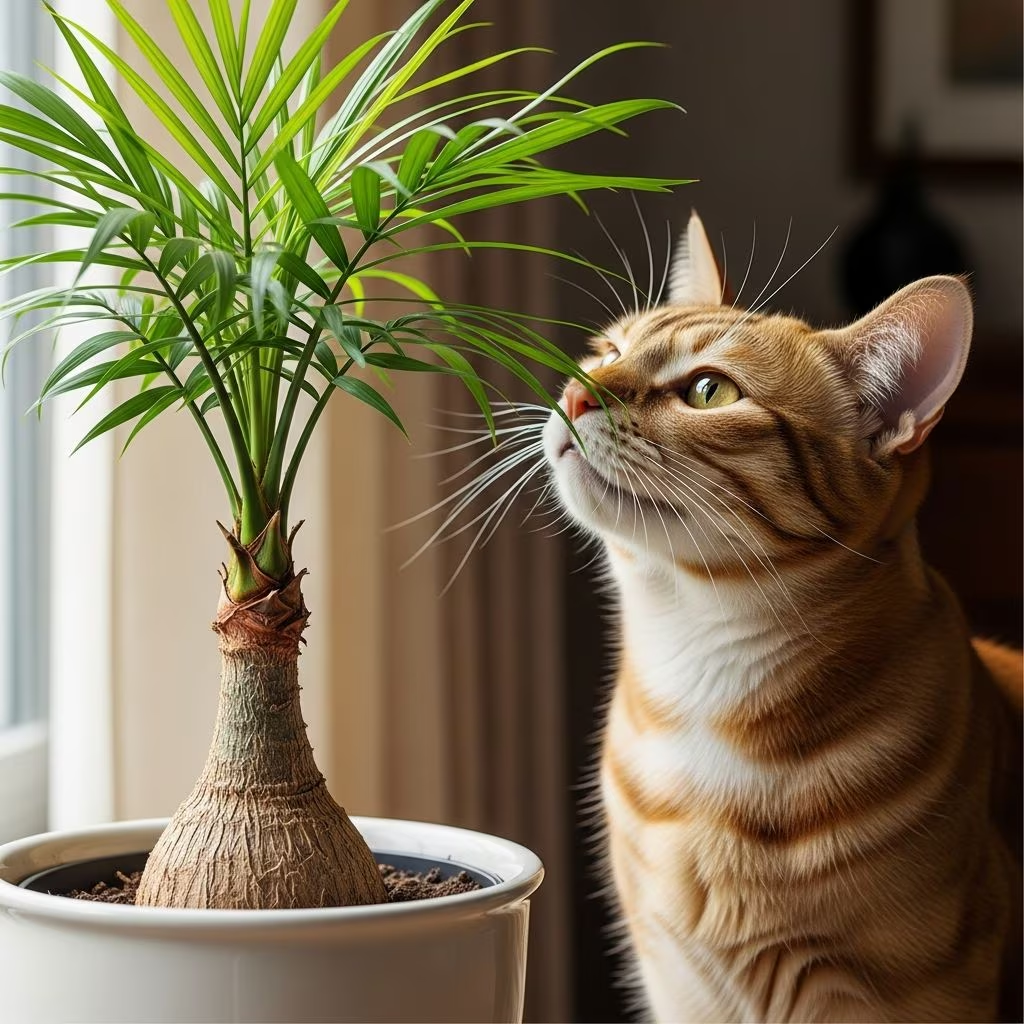
The ponytail palm (Beaucarnea recurvata), also known as elephant’s foot or bottle palm, is a popular houseplant prized for its distinctive swollen trunk and long, cascading green leaves that resemble a ponytail. Many cat owners wonder if this low-maintenance succulent poses a risk to their pets. According to the American Society for the Prevention of Cruelty to Animals (ASPCA), ponytail palm is **non-toxic to cats**, dogs, and horses, making it a relatively safe choice for pet-friendly homes.
However, while not poisonous, consuming large quantities can lead to mild gastrointestinal discomfort. This article covers everything cat owners need to know: why cats are attracted to it, symptoms to watch for, prevention strategies, care tips, and comparisons with other palms. We’ll also address FAQs on related plants for comprehensive pet safety guidance.
What Is a Ponytail Palm?
Ponytail palm is not a true palm but a member of the asparagus family (Asparagaceae), originating from dry regions of Mexico and Central America. It features a bulbous, woody base that stores water—hence its drought-tolerant nature—and flexible, leathery leaves that arch outward and curl at the ends, giving it an exotic, ponytail-like appearance.
These plants thrive indoors as they adapt well to typical home conditions, growing slowly to 6-10 feet tall over decades with minimal care. Their air-purifying qualities and unique aesthetics make them favorites among plant enthusiasts, but their swaying leaves often catch the eye of curious cats.
Is Ponytail Palm Toxic to Cats?
No, ponytail palm is **non-toxic to cats**. The ASPCA lists it explicitly as safe, with no harmful compounds in its leaves, trunk, or stems that cause poisoning. Unlike true toxic plants like lilies or sago palm, it won’t lead to severe organ damage or life-threatening symptoms.
That said, cats that chew on large amounts may experience temporary issues due to the plant’s fibrous texture and indigestibility, similar to eating grass or other non-food items. Veterinary sources emphasize monitoring rather than panic if nibbling occurs sparingly.
Why Do Cats Like Ponytail Palm?
Cats are instinctively drawn to ponytail palm for several reasons:
- Movement and texture: The long, curly leaves sway enticingly, mimicking prey or toys that trigger hunting instincts.
- Appearance: Ribbon-like fronds resemble wool strands or grass, appealing to cats’ chewing urges.
- Pot appeal: The soil or pot may attract digging or litter-box behavior.
- Curiosity: Novel plants stimulate exploration in indoor environments.
Understanding these attractions helps in proactive deterrence.
Symptoms If a Cat Eats Ponytail Palm
Since it’s non-toxic, symptoms are mild and self-resolving in most cases, but include:
- Mild stomach upset or nausea
- Vomiting (once or twice)
- Drowsiness or lethargy
- Overall weakness
- Difficulty swallowing from fibrous material
If symptoms persist beyond 24 hours, worsen, or include diarrhea/blood, contact a vet. Provide details like amount ingested and plant identification.
How to Stop Cats from Eating Ponytail Palm
Prevention is key to avoiding even mild issues. Effective strategies include:
- Elevate the plant: Place on high shelves, hanging baskets, or sturdy stands out of jumping reach.
- Deterrents: Sprinkle cayenne pepper, place lemon/orange peels, or use citrus sprays (cats dislike the scent).
- Texture barriers: Surround the pot base with pebbles, pinecones, aluminum foil, or stones to discourage pawing.
- Alternatives: Offer cat grass, wheatgrass, or safe chews to redirect interest.
- Training: Use firm ‘no’ commands, positive reinforcement, or motion-activated air sprays.
For litter-box confusion, cover soil with mulch or rocks.
Ponytail Palm Care for Cat Owners
To keep your plant thriving and less appealing:
- Light: Bright, indirect sunlight; tolerates lower light but grows best near windows.
- Water: Allow soil to dry completely between waterings—overwatering causes root rot (mushy trunk).
- Soil: Well-draining cactus/succulent mix.
- Humidity/Temp: Low humidity, 65-75°F (18-24°C).
- Fertilizer: Diluted once in spring/summer.
- Troubleshooting: Loose leaves or mushy trunk signal overwatering; yellow tips mean low humidity.
Healthy plants are fuller and less ‘floppy,’ reducing cat interest.
Is Ponytail Palm Toxic to Dogs?
Ponytail palm is also **non-toxic to dogs**, per ASPCA listings. Large ingestion may cause similar mild GI upset, vomiting, or allergies, but no serious toxicity. Prevention mirrors cat tips: elevation, training, and deterrents like pet-safe sprays. Offer dog-safe alternatives like carrots or herbs.
Pet-Safe Palms and Houseplants Comparison
Not all palms are safe. Here’s a quick table:
| Plant | Toxic to Cats/Dogs? | Notes |
|---|---|---|
| Ponytail Palm | No | Mild upset if overeaten. |
| Cat Palm (Chamaedorea) | No | Fully safe. |
| Spider Plant | No | ASPCA-approved, causes mild upset. |
| Chinese Money Plant | No | Non-toxic leaves/stems. |
| Sago Palm | Yes | Highly toxic; liver failure risk. |
| Golden Pothos | Yes | Calcium oxalate crystals cause burning/pain. |
Opt for verified safe options like Areca Palm or Neanthe Bella Palm.
Frequently Asked Questions (FAQs)
Is Cat Palm safe for cats and dogs?
Yes, Cat Palm (Chamaedorea elegans) is non-toxic to cats and dogs, with no harmful compounds.
Is Golden Pothos toxic to cats and dogs?
Yes, Golden Pothos contains calcium oxalate crystals, causing oral irritation, vomiting, and swelling if ingested.
Is Chinese Money Plant toxic to cats and dogs?
No, it’s fully non-toxic and safe for pets.
Is Spider Plant toxic to cats and dogs?
No, Spider Plant is pet-safe per ASPCA, though large amounts may cause mild stomach upset.
What palm is toxic to cats and dogs?
Sago Palm (Cycas revoluta) is highly toxic, especially seeds, leading to vomiting, seizures, liver failure, or death.
Final Thoughts for Pet Owners
Ponytail palm offers a stylish, low-care addition to cat homes without toxicity risks, backed by ASPCA data. Focus on prevention to sidestep minor issues—elevate, deter, and provide alternatives. Consult vets for personalized advice, and always verify plants via ASPCA’s list. With these tips, you can enjoy lush greenery alongside a happy, healthy cat.
References
- Pet Owners: Is Ponytail Palm Toxic to Cats and Dogs? Find Out — Lively Root. 2023. https://www.livelyroot.com/blogs/plant-care/ponytail-toxicity
- Are Ponytail Palm Plants Toxic To Cats? – The Plant Enthusiast — YouTube (The Plant Enthusiast). 2025-01-18. https://www.youtube.com/watch?v=cJOgjS1ed-w
- How to Care for Ponytail Palm — Hicks Nurseries. 2023. https://hicksnurseries.com/how-to-care-for-ponytail-palm/
- Plants and pets – safe and unsafe plants for cats and dogs — Big Dog Pet Foods. 2023. https://www.bigdogpetfoods.com/guides/plants-and-pets-safe-and-unsafe-plants-for-cats-and-dogs
- Pony Tail – Toxic and Non-toxic Plants — ASPCA. Accessed 2026. https://www.aspca.org/pet-care/aspca-poison-control/toxic-and-non-toxic-plants/pony-tail



