

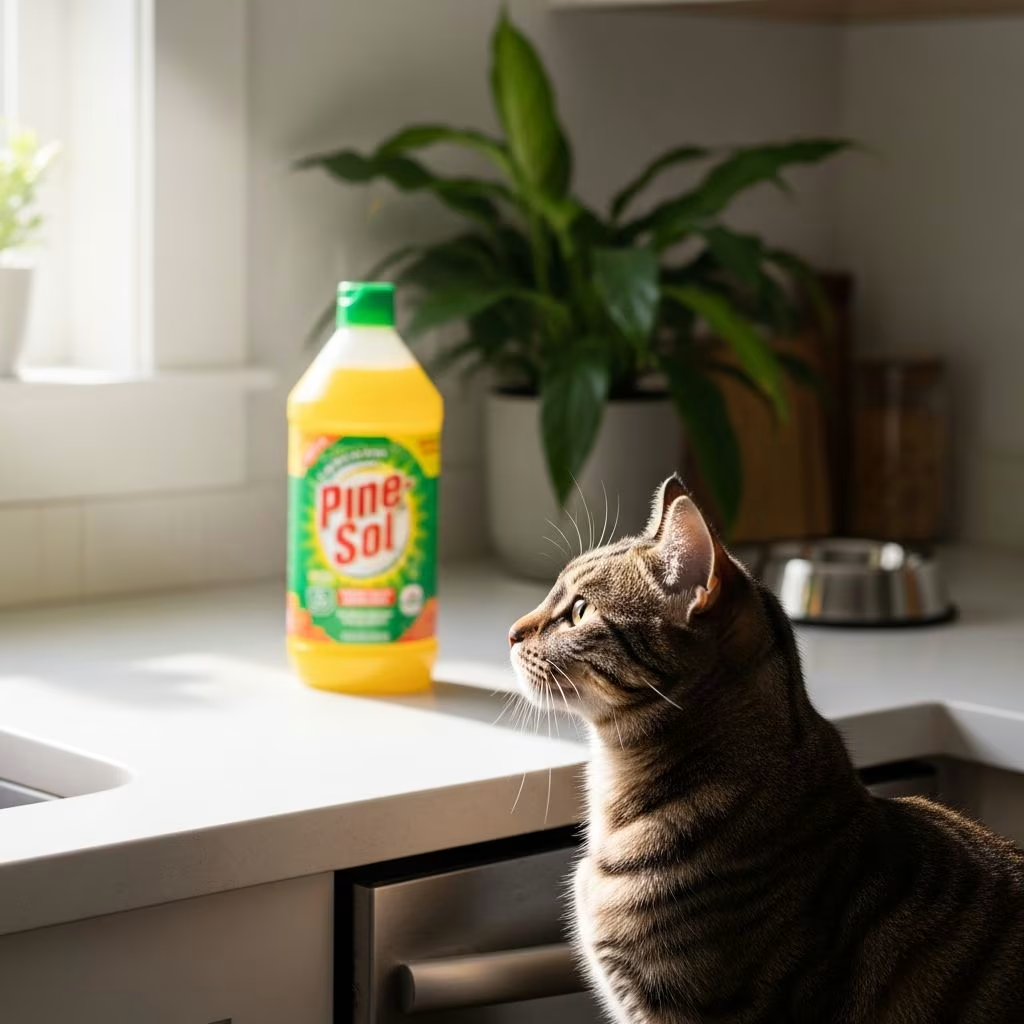
Is Pine-Sol Safe for Cats? Vet-Reviewed Health Facts
Pine-Sol is a widely used household cleaner that many pet owners have on hand. However, the question of whether it’s safe for cats is more nuanced than a simple yes or no. The answer depends on how you use Pine-Sol, which formulation you purchase, and the precautions you take to keep your feline companion safe. While Pine-Sol can be used in households with cats, it requires careful attention to safety guidelines and proper storage to prevent potential harm.
Understanding Pine-Sol’s Composition
Pine-Sol has evolved significantly over the years. Historically, Pine-Sol contained concentrated pine oil, which posed serious risks to pets. However, modern formulations have reduced the pine oil content substantially. According to the manufacturer, current Pine-Sol products contain significantly less pine oil than earlier versions, though they still contain cleaning agents that require caution around cats.
It’s important to note that some older formulations of Pine-Sol containing higher concentrations of pine oil may still be available online. Always check the ingredient list of the specific product you’re using to understand what chemicals are present in your cleaner.
Harmful Chemicals in Pine-Sol
Even if Pine-Sol does not contain high concentrations of pine oil, it still contains several chemicals that are toxic to cats. Understanding these harmful ingredients is crucial for keeping your feline friend safe:
- Propyl heptyl ether: A powerful cleaning agent that can be harmful if swallowed by your cat.
- Alcohol ethoxylates: Chemical surfactants that pose toxicity risks to feline companions.
- Formic acid: A corrosive chemical that can damage your cat’s tissues and organs.
- Phenol: A compound that cats cannot effectively process due to lacking specific liver enzymes.
- Isopropyl alcohol: An ingredient that can cause gastrointestinal and neurological issues in cats.
- Benzoic acid: A preservative that can be toxic to feline species.
These chemicals work together to make Pine-Sol an effective cleaner for floors and surfaces, but they pose significant risks when cats are exposed to them.
Why Cats Are More Vulnerable
Cats are particularly vulnerable to Pine-Sol and similar cleaning products for several biological reasons. Unlike humans and some other animals, cats lack certain liver enzymes necessary to metabolize and safely process phenols and other toxic compounds found in household cleaners. This metabolic deficiency means that even small exposures can potentially accumulate in their systems and cause serious health consequences.
Additionally, cats’ grooming behavior increases their risk of ingestion. When a cat walks across a wet or damp surface that has been cleaned with Pine-Sol, the cleaner can coat their paws. As cats naturally groom themselves by licking their paws clean, they inadvertently ingest the Pine-Sol residue. Their smaller body size also means that toxic thresholds are reached more quickly than in larger animals.
Can I Use Pine-Sol Around Cats?
The answer is yes, but with significant caveats and strict safety guidelines. According to Pine-Sol’s official instructions, the product can be used in pet areas, but only when specific precautions are followed. It should never be used as a pet shampoo or directly on your cat’s fur or skin.
If you choose to use Pine-Sol in your home with cats, follow these essential guidelines:
- Keep your cat in a completely separate room while you’re cleaning with Pine-Sol.
- Ensure the room is well-ventilated to minimize fume exposure.
- Wait until all surfaces have dried completely before allowing your cat back into the area.
- Store Pine-Sol bottles securely and keep them out of reach of both children and pets at all times.
- Never allow your cat to come into contact with wet Pine-Sol.
If you have a particularly active or curious cat that won’t reliably stay away from areas being cleaned, or if your cat has respiratory sensitivities, consider switching to natural, non-toxic household cleaning products instead. The convenience of Pine-Sol is not worth risking your cat’s health and safety.
Potential Dangers of Pine-Sol Exposure
Understanding the specific dangers of Pine-Sol exposure helps you recognize when your cat might be at risk. Pine-Sol can cause different types of harm depending on the route of exposure:
- Eye irritation: Pine-Sol is a primary irritant to the eyes and can cause discomfort and inflammation.
- Skin irritation: Direct contact with wet Pine-Sol can irritate your cat’s sensitive paw pads and skin.
- Respiratory irritation: Fumes from Pine-Sol can irritate the nasal passages and respiratory tract.
- Gastrointestinal upset: Ingestion can cause vomiting, diarrhea, and abdominal pain.
- Liver damage: The phenolic compounds in Pine-Sol can accumulate in the liver and cause damage over time.
- Neurological effects: In severe cases, Pine-Sol toxicity can cause disorientation, weakness, and neurological symptoms.
What to Do If Your Cat Comes in Contact With Pine-Sol
Despite your best efforts to prevent exposure, accidents can happen. Knowing how to respond quickly can minimize harm to your cat.
If Pine-Sol Gets on Your Cat’s Skin or Paws
If your cat steps on wet Pine-Sol or gets the cleaner on their skin, take immediate action. Rinse the affected area thoroughly with gentle, lukewarm water and mild dish soap. Be thorough but gentle, as you don’t want to cause additional stress to your cat. After washing, monitor your cat’s skin closely over the next several hours for signs of irritation such as redness, inflammation, or excessive itching. If irritation develops or persists, contact your veterinarian.
If Your Cat Ingests Pine-Sol
If you suspect or know that your cat has ingested Pine-Sol, do not wait to see if symptoms develop. Contact your veterinarian or an animal poison control hotline immediately for guidance. Provide as much information as possible about the product, including the specific formulation and the approximate amount ingested if known.
Your veterinarian will likely recommend treatment with IV fluids to flush toxins from your cat’s system and activated charcoal to absorb the chemicals. The sooner your cat receives treatment, the better the prognosis.
Signs of Pine-Sol Poisoning
Be alert for these warning signs that indicate your cat may have been poisoned by Pine-Sol:
- Excessive drooling
- Vomiting or retching
- Diarrhea
- Weakness or lethargy
- Increased heart rate
- Increased thirst
- Restlessness or agitation
- Muscle tremors
- Seizures
- Disorientation or confusion
- Difficulty walking or ataxia (appearing “drunk”)
- Abdominal pain
- Severe vomiting
If you observe any of these symptoms in your cat, seek veterinary care immediately, even if you don’t think Pine-Sol exposure occurred.
Safer Alternatives to Pine-Sol
If you’re concerned about using Pine-Sol around your cat, numerous pet-safe cleaning alternatives are available. These products offer effective cleaning power without the toxicity risks. Consider using:
- Vinegar and water solutions for general cleaning
- Baking soda for deodorizing and light scrubbing
- Commercially available pet-safe cleaners specifically formulated for homes with animals
- Castile soap-based cleaners
- Enzymatic cleaners designed to be safe around pets
These alternatives provide peace of mind and eliminate the need to worry about keeping your cat away from cleaned areas while they dry.
Frequently Asked Questions
Q: Is Pine-Sol toxic to cats if they walk on a completely dry floor?
A: Once Pine-Sol has dried completely, the immediate contact risk is significantly reduced. However, dried residue can still pose a risk if your cat licks their paws afterward. The safest approach is to ensure thorough drying and ideally rinse the floor with clean water after using Pine-Sol.
Q: Can I use diluted Pine-Sol around my cat?
A: While diluting Pine-Sol reduces the concentration of harmful chemicals, it doesn’t eliminate the toxicity risk. Cats still lack the enzymes necessary to process the compounds present in diluted Pine-Sol. If you must use it, dilution helps, but pet-safe alternatives are still preferable.
Q: How long should I keep my cat away from a room after using Pine-Sol?
A: Keep your cat in a separate room until all surfaces have dried completely, which typically takes at least 30 minutes to an hour depending on ventilation and temperature. Ensure the room is well-ventilated to clear any fumes before your cat returns.
Q: Can Pine-Sol fumes hurt my cat?
A: Yes, inhaling Pine-Sol fumes can irritate your cat’s respiratory tract and nasal membranes. Cats with existing respiratory conditions or sensitivities are at increased risk. Always ensure excellent ventilation when using Pine-Sol and keep your cat away from the area.
Q: What should I do if my cat drinks Pine-Sol mixed with water?
A: This is a serious emergency. Contact your veterinarian or animal poison control immediately. Do not induce vomiting unless specifically instructed to do so by a veterinary professional. Time is critical in treating chemical poisoning.
Q: Is Pine-Sol safe to use in or around the litter box area?
A: It’s best to avoid using Pine-Sol near or around your cat’s litter box entirely. Cats spend significant time in this area and will have repeated exposure to fumes and residue. Use pet-safe cleaners for litter box areas instead.
Q: Should I consider switching cleaners entirely if I have a cat?
A: If you have concerns about maintaining the strict safety protocols required for Pine-Sol use, or if you have a particularly curious or active cat, switching to pet-safe cleaners is a reasonable decision that eliminates worry and simplifies your cleaning routine.
Conclusion
Pine-Sol can be used in homes with cats, but it requires strict adherence to safety guidelines and careful management. The chemicals in Pine-Sol, including propyl heptyl ether, alcohol ethoxylates, formic acid, and other compounds, can be dangerous to cats if ingested, inhaled, or absorbed through the skin. Cats’ biological inability to process certain toxic compounds makes them particularly vulnerable compared to other pets.
If you choose to use Pine-Sol in your home, always keep your cat in a separate room during cleaning and until all surfaces have dried completely. Store the product securely out of reach and never use it as a pet shampoo. Monitor your cat for any signs of accidental exposure and seek immediate veterinary care if ingestion occurs.
However, if maintaining these safety protocols seems challenging or if your cat is particularly active and curious, switching to natural, non-toxic household cleaning products is a safer and less stressful alternative. Modern pet-safe cleaners offer comparable cleaning power without the toxicity concerns, allowing you to maintain a clean home while keeping your beloved feline companion safe and healthy.
References
- Is Pine-Sol Safe for Cats? Vet-Reviewed Health Facts — Catster. 2024. https://www.catster.com/cat-health-care/is-pine-sol-safe-for-cats/
- Pine Oil vs Pine Sol: Which is Safe for Dogs and Cats? — SoliCleaning. 2024. https://solicleaning.com/cleaning-tips/pine-oil-cleaners-and-pet-safety/
- Spring Cleaning Safety: Is Pine Sol Safe For Pets? — Outward Hound. 2024. https://outwardhound.com/furtropolis/pets/is-pine-sol-safe-for-pets
- FAQs — Pine-Sol Official. https://www.pinesol.com/faq/
- Which household cleaners are safe to use in free ranging areas — University of Wisconsin School of Veterinary Medicine Shelter Medicine. https://sheltermedicine.wisc.edu/library/resources/which-household-cleaners-are-safe-to-use-in-free-ranging-areas
- Myths About Cleaning Solutions Thought to be Toxic to Pets — Patton Veterinary Hospital. 2024. https://pattonvethospital.com/blog/121548-toxic-cleaning-solution-myths



