

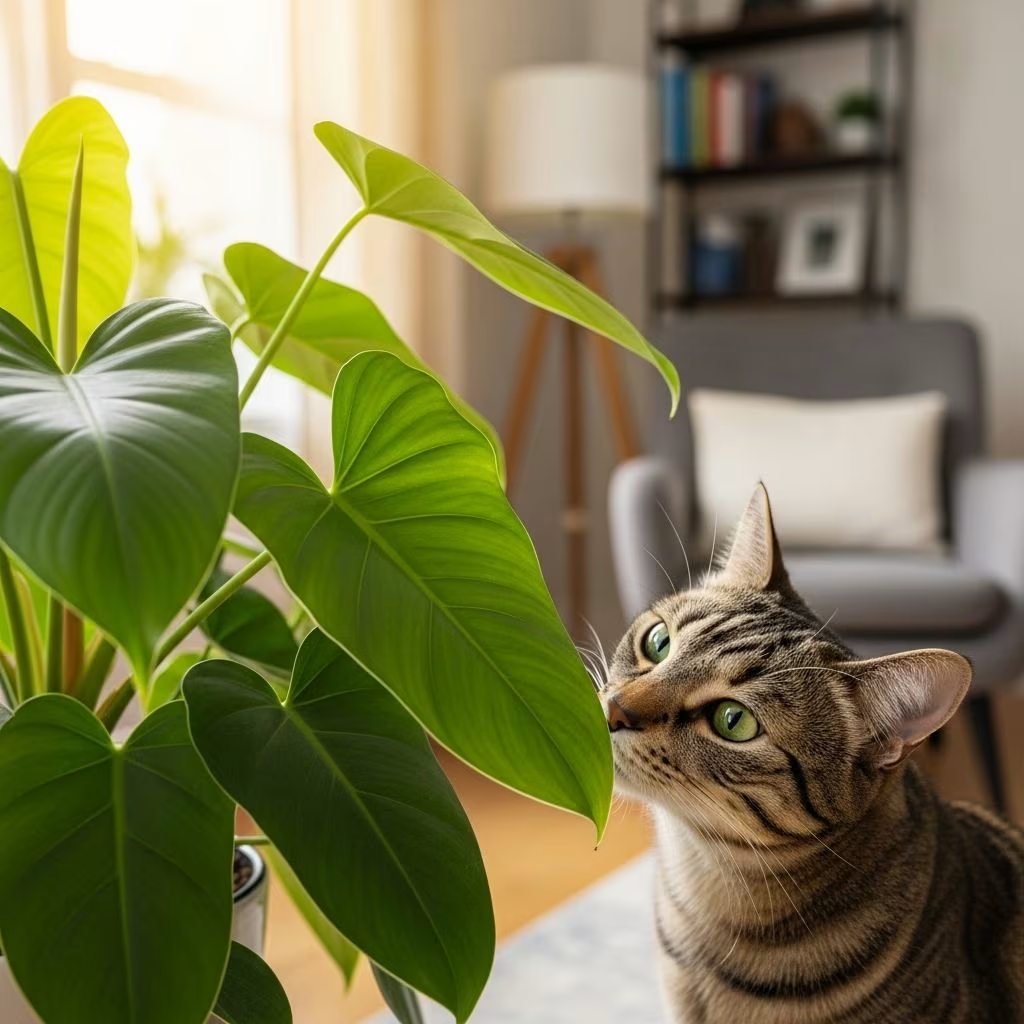
Is Philodendron Toxic to Cats? A Complete Safety Guide
Many cat owners enjoy decorating their homes with indoor plants, but it’s critical to understand which plants pose serious health risks to feline companions. Philodendrons are indeed toxic to cats and can cause significant harm if ingested. Understanding the dangers, recognizing symptoms, and knowing how to respond quickly are essential for every cat owner who keeps plants in their home.
Why Philodendrons Are Toxic to Cats
The toxicity in philodendrons stems from a specific chemical compound found throughout the entire plant. Calcium oxalate crystals are present in the leaves, stems, roots, and all other plant parts. These microscopic crystals are responsible for the plant’s harmful effects on cats.
Cats are uniquely vulnerable to plant toxicity compared to other animals. Unlike humans and dogs, cats lack certain liver enzymes necessary to break down toxic compounds effectively. Additionally, cats’ grooming habits increase their exposure risk, as they may ingest plant material stuck to their fur during self-cleaning.
When a cat chews or ingests any part of a philodendron, the calcium oxalate crystals cause immediate irritation and inflammatory reactions in soft tissues they contact. Most cats will stop chewing the plant quickly due to the bitter taste and sharp stinging sensation, but even brief contact can cause symptoms.
Symptoms of Philodendron Poisoning in Cats
Cat owners should be alert to signs of philodendron ingestion. Symptoms can appear rapidly and range from mild to severe, depending on the amount of plant material consumed.
Common Mild to Moderate Symptoms
- Drooling or excessive salivation
- Pawing at the mouth or face
- Oral pain and mouth irritation
- Difficulty swallowing (dysphagia)
- Vomiting
- Diarrhea
- Loss of appetite
- Agitation or restlessness
- Burning sensation in the mouth, tongue, and lips
Severe Symptoms Requiring Immediate Attention
- Respiratory distress or difficulty breathing
- Swelling of the airways or throat
- Choking or gagging
- Distorted vocalization or difficulty meowing
- Severe digestive upset or persistent vomiting
- Convulsions or seizures
In rare and extremely severe cases, untreated philodendron poisoning can progress to life-threatening complications including renal failure, liver failure, cardiac abnormalities, dilated pupils, coma, and even death. This underscores the importance of immediate veterinary intervention at the first sign of exposure.
What to Do If Your Cat Ingests Philodendron
If you suspect your cat has chewed on or ingested any part of a philodendron plant, time is critical. Taking swift action can prevent serious complications and improve recovery outcomes.
Immediate Steps
- Remove remaining plant material: Immediately remove any remaining philodendron pieces from your cat’s mouth to prevent further exposure.
- Provide comfort: If your cat’s condition appears stable and not serious, offer fresh water or milk to drink for relief while you prepare to seek professional help.
- Contact your veterinarian: Call your veterinarian immediately for professional guidance. Provide details about the amount of plant material ingested and any symptoms your cat is displaying.
- Seek emergency care if necessary: If your cat shows signs of severe distress, respiratory difficulty, or any of the severe symptoms listed above, take your cat directly to an emergency veterinary clinic without delay.
Veterinary Treatment for Philodendron Poisoning
Upon arrival at a veterinary clinic, your veterinarian will assess your cat’s condition and determine the appropriate treatment plan based on severity and symptoms.
Diagnostic Evaluation
Your veterinarian will typically perform baseline laboratory work to assess your cat’s current health status. This includes a complete blood count (CBC), chemistry panel, and urinalysis. These tests help identify organ involvement and guide treatment decisions. Kidney values should be monitored every 24 hours for the first 72 hours to evaluate progression and treatment response.
Treatment Options
Decontamination: If ingestion occurred recently and the cat is neurologically stable, decontamination may be attempted. This may include inducing vomiting to remove plant material from the stomach.
Activated Charcoal: Administering activated charcoal helps absorb any remaining toxins in the digestive tract. A single dose is typically given along with a cathartic agent to promote elimination.
Intravenous Fluids: IV fluid therapy is often necessary to maintain hydration and support kidney function. Fluids help eliminate toxins through the urine and are typically administered at 2-4 times maintenance levels depending on the cat’s condition. This therapy may continue for 24-72 hours with regular monitoring.
Antiemetic Medications: To control vomiting and nausea, veterinarians may prescribe medications such as maropitant (Cerenia®), ondansetron, or metoclopramide. These medications improve comfort and help maintain hydration and electrolyte balance.
Pain Management: Because plant toxins cause significant discomfort, pain medications are an essential component of treatment. Opioids like buprenorphine are often used for effective pain relief with minimal side effects. Non-steroidal anti-inflammatory drugs (NSAIDs) are generally avoided due to potential kidney or gastrointestinal complications.
Supportive Care: Beyond medications, your veterinarian will provide comprehensive supportive care to manage symptoms and monitor your cat’s recovery.
Recovery Timeline and Post-Treatment Care
With prompt veterinary treatment, most cats recover within a few days if only a small amount of plant material was ingested. However, recovery timelines vary based on the severity of exposure and individual factors.
After treatment, your veterinarian may recommend specific dietary adjustments. Some veterinarians recommend continuing a diet of yogurt for several days following treatment, as this can help remove remaining calcium oxalate crystals from the digestive tract.
Watch for warning signs that may indicate complications or incomplete recovery, including return of vomiting or diarrhea, decreased appetite lasting more than 24 hours, lethargy or weakness, changes in urination habits, and yellowing of the gums or eyes (jaundice). Contact your veterinarian immediately if any of these signs appear.
For cats that have suffered kidney damage, long-term management may be necessary. This could include prescription renal diets, phosphate binders, and regular veterinary checkups to monitor kidney function. Some cats recover completely, while others may develop chronic kidney disease requiring lifelong care and monitoring.
Preventing Philodendron Exposure in Your Home
The best treatment for philodendron poisoning is prevention. Creating a cat-safe home environment significantly reduces the risk of accidental ingestion.
Plant Selection and Placement
- Remove all philodendron plants from your home, or keep them completely out of reach in areas your cat cannot access
- Choose non-toxic alternative plants that are safe for cats, such as spider plants, cat grass, or African violets
- If you must keep potentially toxic plants, place them on high shelves or in rooms your cat cannot enter
- Hang plants from ceilings in secure hanging baskets that cannot be knocked down
- Use barriers or plant stands designed to prevent pet access
Environmental Management
- Regularly inspect your home and yard for potentially toxic plants
- Clean up fallen leaves or plant debris immediately
- Educate family members and visitors about which plants are dangerous to your cat
- Keep the ASPCA Animal Poison Control Center number (888-426-4435) readily accessible
- Maintain an updated list of all plants in your home with their toxicity status
Other Plants Toxic to Cats
While this article focuses on philodendrons, cat owners should be aware that many common houseplants pose similar or greater risks. Peace lilies, another popular indoor plant, also contain calcium oxalate crystals and cause similar symptoms including drooling, vomiting, mouth irritation, and difficulty swallowing. Lilies are especially dangerous; even small amounts of pollen licked from a cat’s fur can cause kidney failure.
Frequently Asked Questions
Q: Can philodendron toxicity be fatal to cats?
A: While death from philodendron poisoning is rare with prompt treatment, severe cases involving significant ingestion and delayed veterinary care can become life-threatening, particularly if respiratory swelling or organ failure develops. Immediate veterinary intervention greatly improves survival outcomes.
Q: How quickly do symptoms appear after a cat ingests philodendron?
A: Symptoms typically appear within minutes to hours of ingestion, with initial signs being drooling and pawing at the mouth. More severe symptoms may develop over several hours depending on the amount consumed.
Q: Is philodendron toxic to humans as well?
A: Yes, philodendrons are toxic to humans and can cause a burning sensation in the mouth, throat, and stomach, along with swelling and difficulty swallowing. Young children and babies should not have access to philodendrons. Adults should wash their hands after handling the plant during care routines.
Q: What’s the difference in toxicity between different philodendron varieties?
A: All philodendron varieties, including cutleaf and variegated philodendrons, contain calcium oxalate crystals throughout all plant parts and pose similar risks to cats. No variety is considered safe for feline consumption.
Q: Should I induce vomiting at home if my cat eats philodendron?
A: No. Do not attempt to induce vomiting at home. Contact your veterinarian immediately for professional guidance. Home remedies can cause additional harm, and veterinarians are equipped to safely manage decontamination when appropriate.
Q: Can my cat recover completely from philodendron poisoning?
A: With prompt veterinary treatment, most cats recover completely within a few days if only a small amount was ingested. However, more severe exposures may result in lasting organ damage requiring long-term management.
Conclusion
Philodendrons pose a genuine health threat to cats due to their calcium oxalate crystals, which can cause painful oral irritation, digestive upset, and in severe cases, life-threatening complications. Recognizing symptoms, acting quickly if exposure occurs, and removing these plants from your home are the most effective strategies to protect your feline companion. By understanding the risks and taking preventive measures, you can create a safe environment where your cat can thrive without exposure to toxic plants.
References
- Philodendrons: Toxic to Cats? — Plantology USA. 2024. https://plantologyusa.com/blogs/the-plantologist/philodendrons-toxic-to-cats
- Is Philodendron Poisonous? — Plant Addicts. 2024. https://plantaddicts.com/is-philodendron-poisonous/
- Pet Safety: Is Philodendron Toxic to Cats and Dogs? — Lively Root. 2024. https://www.livelyroot.com/blogs/plant-care/is-philodendron-toxic-to-cats-and-dogs
- Plant Toxicity in Cats: 7 Essential Medications for Treatment — The Pet Vet. 2024. https://thepetvet.com/plant-toxicity-in-cats/
- Cutleaf Philodendron Poisoning in Cats — Wag! Walking. 2024. https://wagwalking.com/cat/condition/cutleaf-philodendron-poisoning
- Houseplants and Ornamentals Toxic to Animals — Merck Veterinary Manual. 2024. https://www.merckvetmanual.com/toxicology/poisonous-plants/houseplants-and-ornamentals-toxic-to-animals
- Philodendron Are Toxic To Pets — Pet Poison Helpline. 2024. https://www.petpoisonhelpline.com/poison/philodendron/



