

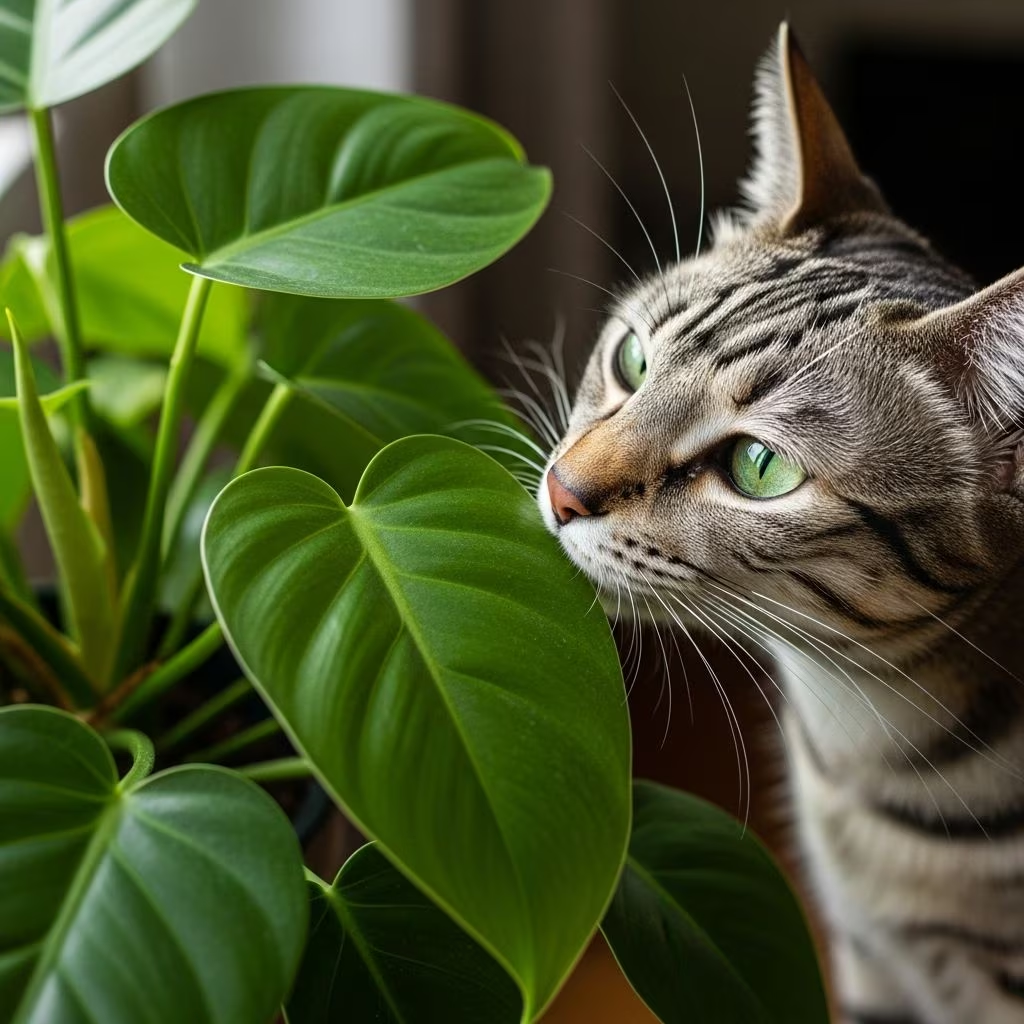
Philodendron plants are popular houseplants known for their lush, trailing foliage, but they pose a significant risk to cats. All parts of the philodendron contain **calcium oxalate crystals**, which are toxic when ingested by felines, leading to painful oral irritation and potentially severe symptoms. This guide covers everything cat owners need to know about philodendron toxicity, from symptoms and treatment to prevention strategies and safer plant alternatives.
What Is a Philodendron?
Philodendrons belong to the Araceae family and are among the most common indoor plants worldwide. Native to tropical regions of the Americas, they thrive in low-light conditions, making them ideal for homes and offices. Varieties like heartleaf philodendron (*Philodendron hederaceum*), Swiss cheese plant (*Monstera deliciosa*, often confused with philodendron), and cutleaf philodendron feature glossy, heart-shaped, or deeply lobed leaves that dangle attractively from pots or shelves.
These plants grow quickly and are low-maintenance, requiring minimal watering and indirect sunlight. However, their appealing texture and movement make them irresistible to curious cats, who may chew on leaves or stems out of boredom or instinct. While philodendrons purify air by removing toxins like formaldehyde, their own toxicity overrides this benefit in pet households.
Are Philodendrons Toxic to Cats?
Yes, **philodendrons are toxic to cats**. The primary toxin is insoluble calcium oxalate crystals, needle-like structures present in leaves, stems, roots, and even sap. When a cat bites into the plant, these crystals penetrate soft tissues in the mouth, tongue, throat, and esophagus, releasing upon contact with saliva and causing mechanical irritation rather than chemical poisoning.
Unlike some toxins metabolized by the liver, calcium oxalates act immediately upon mastication (chewing). Cats lack certain enzymes to break down many plant compounds, heightening their vulnerability. Even small amounts can trigger symptoms, though larger ingestions lead to more severe effects. Kittens and playful adults are at highest risk due to exploratory chewing.
Symptoms of Philodendron Poisoning in Cats
Symptoms typically appear within minutes to hours of ingestion, starting with local effects in the mouth and progressing if untreated. Common signs include:
- Excessive **drooling** from oral pain and irritation
- Pawing at the mouth or face due to burning sensation
- Difficulty swallowing (dysphagia) from tongue and throat swelling
- Vomiting and diarrhea from gastrointestinal upset
- Loss of appetite and lethargy
In severe cases, swelling can obstruct airways, causing **respiratory distress**, choking, distorted vocalizations, or breathing difficulties. Rare complications include convulsions, renal failure, liver issues, dilated pupils, or coma if massive ingestion occurs. Most cats recover with prompt care, but delays can escalate risks.
What to Do If Your Cat Eats Philodendron
Act immediately if you suspect philodendron ingestion. Do not wait for symptoms to worsen—**contact your veterinarian or an emergency pet poison hotline like Pet Poison Helpline (888-426-4435) right away**.
Immediate steps:
- Remove any plant pieces from your cat’s mouth gently using gloves to avoid sap exposure.
- Rinse the mouth with cool water or milk to soothe irritation and dislodge crystals—do not force it.
- Offer fresh water or milk to dilute toxins while heading to the vet.
- Prevent dehydration by encouraging fluids, but avoid inducing vomiting at home unless instructed by a professional.
At the veterinary clinic, treatment focuses on decontamination and support:
- Inducing vomiting if recent ingestion (within 2 hours).
- Administering **activated charcoal** to bind toxins in the gut.
- IV fluids for hydration and toxin flushing, often at 2-4x maintenance rates.
- Antiemetics like maropitant (Cerenia®) for vomiting control.
- Pain relief with buprenorphine; anti-inflammatories cautiously.
- Monitoring for swelling, renal function, and electrolytes over 24-72 hours.
Recovery usually takes 1-3 days for mild cases, with yogurt recommended post-discharge to clear residual crystals. Full recovery is likely with timely intervention.
How Long Does Philodendron Poisoning Last in Cats?
Mild symptoms like drooling and pawing resolve within 24-48 hours with treatment. Swelling subsides in 12-24 hours under veterinary care. Severe cases may require 72 hours of hospitalization for monitoring kidney values and airway patency. Long-term effects are rare unless secondary issues like aspiration pneumonia develop. Follow-up bloodwork ensures no organ damage.
Other Animals Philodendron Is Toxic To
Philodendrons are toxic to dogs, showing similar symptoms: oral burning, drooling, vomiting, diarrhea, and swallowing issues. Dogs may experience vocal changes in severe cases. Treatment mirrors cats: mouth rinsing, activated charcoal, and supportive care. Birds and small mammals face comparable risks due to oxalate crystals. Humans can suffer mouth/throat burning and swelling, especially children—wash hands after handling.
Philodendron Alternatives: Cat-Safe Plants
Opt for non-toxic plants to maintain greenery without risk. Safe options include:
| Plant Name | Description | Care Tips |
|---|---|---|
| Spider Plant (*Chlorophytum comosum*) | Arching leaves, air-purifying | Bright indirect light, water when dry |
| Parlor Palm (*Chamaedorea elegans*) | Feathery fronds, elegant | Low light, moderate water |
| Boston Fern (*Nephrolepis exaltata*) | Lush, hanging foliage | Humid, indirect light |
| Calathea (*Calathea spp.*) | Colorful patterns | Moist soil, low light |
| Areca Palm (*Dypsis lutescens*) | Bamboo-like, tropical vibe | Bright light, regular watering |
These ASPCA-approved plants resist nibbling and enhance home aesthetics safely.
Cat-Friendly Home Tips
- Elevate plants on high shelves or hanging baskets out of jump range.
- Use deterrent sprays with citrus or bitter apple on accessible foliage.
- Provide cat grass, catnip toys, or scratching posts to redirect chewing instincts.
- Create a cat garden with safe herbs like cat thyme or silver vine.
- Supervise playtime and train ‘leave it’ commands with positive reinforcement.
- Proof windowsills and counters; opt for artificial plants if needed.
Enrich your cat’s environment to reduce boredom-driven plant munching.
Frequently Asked Questions (FAQs)
Is Philodendron Toxic to Cats?
Yes, all philodendrons are toxic to cats due to calcium oxalate crystals causing oral pain, drooling, and swelling.
What Happens If a Cat Eats Philodendron?
Symptoms include drooling, pawing at mouth, vomiting, diarrhea, and potential breathing issues. Seek vet care immediately.
How Do You Treat Philodendron Poisoning in Cats?
Vets use mouth rinsing, activated charcoal, IV fluids, antiemetics, and pain meds. Home: rinse mouth, offer milk.
Are There Philodendron Varieties Safe for Cats?
No, all varieties contain oxalates and are unsafe.
Is Monstera Toxic to Cats?
Yes, related to philodendron; causes identical symptoms.
Can Cats Die from Eating Philodendron?
Rarely with prompt treatment, but severe swelling can obstruct airways.
References
- Philodendrons: Toxic to Cats? — Plantology USA. 2023. https://plantologyusa.com/blogs/the-plantologist/philodendrons-toxic-to-cats
- Is Philodendron Poisonous? — Plant Addicts. 2024. https://plantaddicts.com/is-philodendron-poisonous/
- Pet Safety: Is Philodendron Toxic to Cats and Dogs? — Lively Root. 2023. https://www.livelyroot.com/blogs/plant-care/is-philodendron-toxic-to-cats-and-dogs
- Plant Toxicity in Cats: 7 Essential Medications for Treatment — The Pet Vet. 2024. https://thepetvet.com/plant-toxicity-in-cats/
- Cutleaf Philodendron Poisoning in Cats — WagWalking. 2023-10-01. https://wagwalking.com/cat/condition/cutleaf-philodendron-poisoning
- Houseplants and Ornamentals Toxic to Animals — Merck Veterinary Manual. 2024. https://www.merckvetmanual.com/toxicology/poisonous-plants/houseplants-and-ornamentals-toxic-to-animals
- Philodendron Are Toxic To Pets — Pet Poison Helpline. 2024. https://www.petpoisonhelpline.com/poison/philodendron/
- Variegated Philodendron Poisoning in Cats — WagWalking. 2023-10-01. https://wagwalking.com/cat/condition/variegated-philodendron-poisoning



