

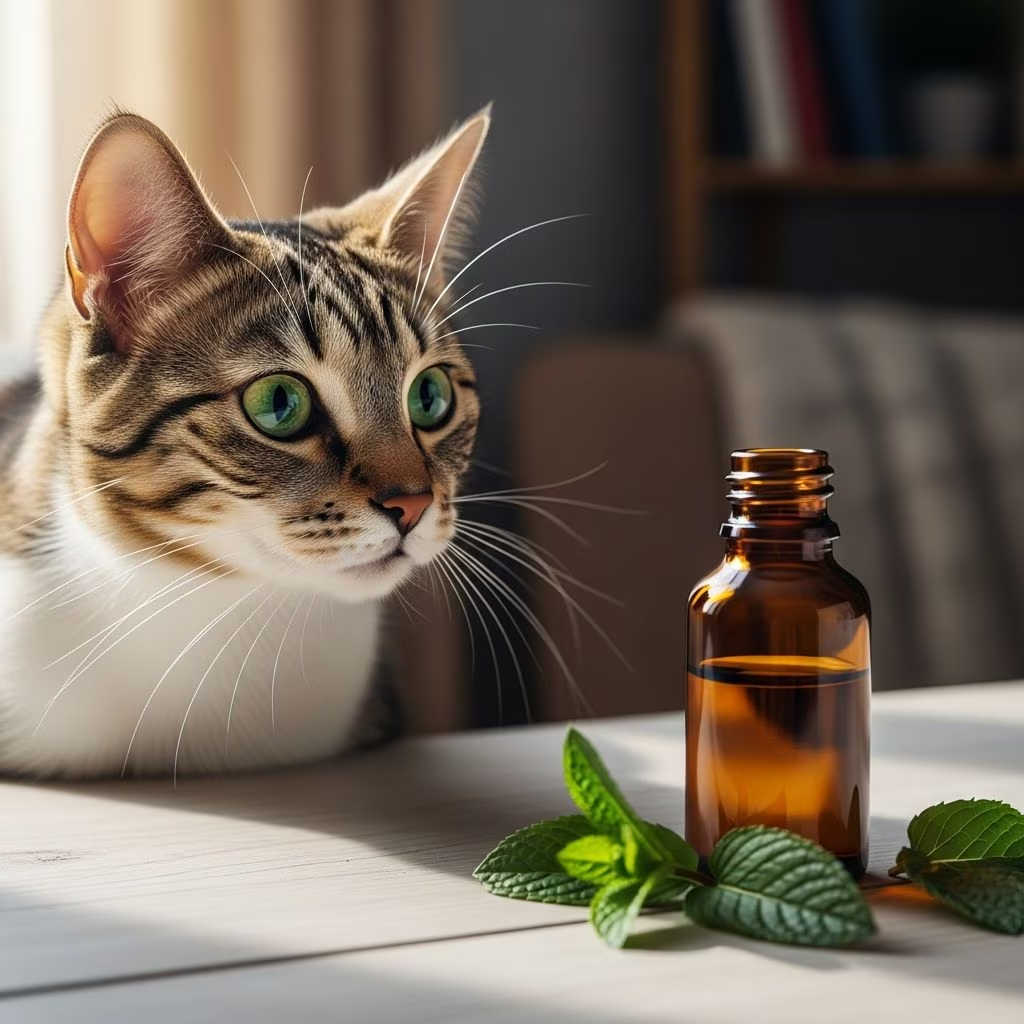
Is Peppermint Oil Safe for Cats? What Pet Owners Need to Know
Peppermint oil is not safe for cats. Unlike humans, cats lack the liver enzymes necessary to break down phenolic compounds found in peppermint oil, making even small exposures potentially dangerous. Cat owners must understand the serious risks associated with peppermint oil and learn safer alternatives to keep their feline companions healthy and protected.
Understanding Cats and Their Sensitivity to Essential Oils
Cats possess a fundamentally different physiology than humans when it comes to processing certain substances. Their livers lack specific enzymes required to metabolize and safely eliminate phenols—organic compounds that are a primary ingredient in peppermint essential oil. This enzymatic deficiency means that even diluted or small amounts of peppermint oil can accumulate in a cat’s body and cause serious harm.
Additionally, cats have an extraordinarily sensitive sense of smell, with olfactory receptors up to 14 times more sensitive than humans. This heightened sensitivity means that strong scents can quickly overwhelm their sensory systems. Combined with their grooming habits, which involve frequent licking of their fur and paws, cats face multiple pathways for peppermint oil exposure and ingestion. Their thin skin also readily absorbs oils that come into contact with their coat, creating yet another route for toxins to enter their bloodstream.
Why Peppermint Oil Is Toxic to Cats
The toxicity of peppermint oil in cats stems from the phenolic compounds it contains. When a cat is exposed to peppermint oil—whether through ingestion, inhalation, or dermal absorption—these compounds cannot be properly metabolized. Instead, they accumulate in the body and attack multiple organ systems. The liver, nervous system, and respiratory tract are particularly vulnerable to damage from peppermint oil exposure.
According to veterinary toxicology research, peppermint oil ranks among the most dangerous essential oils for cats. The ASPCA Poison Control Center lists peppermint oil as a top toxic essential oil for felines, placing it alongside wintergreen, pine, and eucalyptus oils as substances that pet owners should strictly avoid.
Health Risks and Symptoms of Peppermint Oil Poisoning
Exposure to peppermint oil can trigger a range of serious health complications in cats. The symptoms and severity depend on the amount of exposure, the concentration of the oil, and the individual cat’s sensitivity. Pet owners should be vigilant for the following signs of peppermint oil toxicity:
Respiratory Issues
One of the most immediate dangers of peppermint oil exposure is its impact on the respiratory system. Cats don’t need to ingest peppermint oil to experience breathing difficulties; simply inhaling vapors from a diffuser can cause significant respiratory distress. Symptoms include:
- Labored or difficult breathing
- Persistent coughing fits
- Shortness of breath or rapid breathing
- Wheezing or unusual respiratory sounds
While some cats may recover once the source of exposure is removed, prolonged inhalation of peppermint oil vapors can lead to permanent damage to the airways and chronic respiratory problems.
Neurological Symptoms
Peppermint oil directly attacks a cat’s nervous system, leading to concerning neurological manifestations. These symptoms indicate serious toxicity and require immediate veterinary intervention:
- Muscle tremors or twitching
- Loss of coordination and wobbliness when walking
- Difficulty maintaining balance
- Seizures in severe cases
- Lethargy and unusual letharness
Liver Damage
The liver bears a particularly heavy burden when processing peppermint oil, as this organ is responsible for attempting to metabolize the phenolic compounds. Liver damage may not show immediate symptoms but can develop gradually with repeated or ongoing exposure. Cats with compromised liver function may show decreased appetite, weight loss, or jaundice over time.
Digestive Tract Problems
When peppermint oil reaches the digestive system, it can cause significant disruption and discomfort. Cats may experience:
- Vomiting and nausea
- Diarrhea or loose stools
- Abdominal pain or discomfort
- Loss of appetite
- Rapid or unexpected weight loss
Skin and Dermal Reactions
Direct contact with peppermint oil can cause skin irritation and dermatological problems in cats. If peppermint oil droplets land on a cat’s fur during diffusion or spraying, the cat may experience itching, redness, or burning sensations that prompt excessive licking and grooming.
Routes of Peppermint Oil Exposure
Understanding how cats can be exposed to peppermint oil is crucial for prevention. There are several pathways through which this toxic oil can reach your cat:
Ingestion
Direct ingestion of peppermint oil is the most obvious route of exposure. This can occur if a cat gains access to a bottle of essential oil, consumes a product containing peppermint oil, or licks their fur after exposure to the oil.
Inhalation
Using a diffuser or spray containing peppermint oil releases tiny particles and vapors into the air that cats naturally inhale. Even in a well-ventilated space, cats in the same room as a peppermint oil diffuser will be exposed to significant amounts of the oil through their respiratory system.
Dermal Absorption
Peppermint oil droplets that land on a cat’s fur can be absorbed through their relatively thin skin. This absorption may not produce immediate symptoms, but toxicity can develop within hours or even days, by which time significant exposure has already occurred.
Grooming and Self-Contamination
Once any peppermint oil comes into contact with a cat’s coat, the cat’s natural grooming instinct kicks in. Licking contaminated fur ingests the oil directly and efficiently delivers it to the digestive system, amplifying toxicity risk.
Diluted Peppermint Oil: Is It Safer?
Some cat owners wonder whether diluting peppermint oil with water or carrier oil makes it safe for use around cats. Unfortunately, this approach offers minimal to no additional safety. Dilution does not eliminate the phenolic compounds that make peppermint oil toxic; it merely reduces the concentration. Cats can still absorb and ingest sufficient quantities of the diluted oil to cause toxicity, particularly with repeated exposure or if a cat spends extended time in the same room as the diluted product.
Additionally, since oil and water don’t properly mix, diluted peppermint oil may separate, creating concentrated pockets of the essential oil that pose heightened risks. Veterinarians strongly advise against using diluted peppermint oil around cats as a “safer” alternative to undiluted preparations.
Peppermint Oil Diffusers and Sprays: Hidden Dangers
Many cat owners believe that as long as their cat doesn’t directly consume peppermint oil, they can safely use diffusers or sprays in their home. This misconception can put cats at serious risk. Diffusers and sprays create airborne particles that cats inhale with every breath. These particles can land on the cat’s fur, be absorbed through the skin, and inhaled into the lungs simultaneously.
Cats in homes where peppermint oil is being diffused may show avoidance behaviors, such as leaving the room or hiding, because the scent overwhelms their sensitive olfactory system. While this avoidance might seem protective, cats living in shared spaces cannot always escape these exposures, particularly if the diffuser runs continuously or if multiple rooms are treated with peppermint oil products.
What to Do If Your Cat Has Been Exposed to Peppermint Oil
If you suspect your cat has been exposed to peppermint oil, quick action is essential. Timing can significantly impact the outcome and prevent serious complications. Follow these steps:
- Stop the exposure immediately: Remove the diffuser, close windows if spraying occurred, and move your cat to a well-ventilated area away from the source of peppermint oil.
- Rinse the fur if applicable: If peppermint oil droplets are visible on your cat’s coat, gently rinse the affected areas with lukewarm water and mild soap to remove surface contamination.
- Contact your veterinarian or poison control: Don’t wait for symptoms to develop. Call your vet or the ASPCA Poison Control Center immediately with details about the exposure, including the amount and type of peppermint product involved.
- Provide medical information: Be prepared to tell your veterinarian your cat’s age, weight, and any pre-existing health conditions, as these factors influence treatment approaches.
- Seek immediate care if symptoms appear: If your cat shows signs of respiratory distress, seizures, severe lethargy, vomiting, or other concerning symptoms, transport them to an emergency veterinary clinic immediately.
Safe Alternatives to Peppermint Oil for Cats
Fortunately, cat owners have several safe alternatives that provide similar benefits without the risks associated with peppermint oil:
- Catnip: A natural, safe herb that provides mental stimulation and relaxation for most cats.
- Silvervine: A safe alternative to catnip that many cats find equally enjoyable.
- Cat-safe essential oils: When used with veterinary guidance, diluted lavender or chamomile may offer calming benefits in highly diluted forms and well-ventilated spaces.
- Feline pheromone products: Products like Feliway use synthetic versions of natural feline pheromones to reduce stress and anxiety.
- Environmental enrichment: Toys, climbing structures, and interactive play provide mental stimulation without chemical exposure.
- Veterinary-approved supplements: Speak with your veterinarian about safe supplements designed specifically for feline wellness and anxiety reduction.
Prevention: Creating a Safe Home Environment for Your Cat
The best approach to peppermint oil exposure is prevention. Create a cat-safe home by:
- Avoiding all essential oil diffusers, sprays, and topical products in your home
- Storing any essential oils securely in sealed containers, out of reach of curious cats
- Informing family members and guests about peppermint oil risks so they don’t bring products containing it into your home
- Checking household cleaners and air fresheners for peppermint or other toxic essential oils
- Consulting your veterinarian before introducing any new scents or products into your home
- Maintaining good ventilation in your home to prevent accumulation of any potentially harmful airborne particles
Frequently Asked Questions About Peppermint Oil and Cats
Q: Is peppermint oil toxic to all cats?
A: Yes, peppermint oil is toxic to all cats regardless of age, breed, or health status. However, kittens, senior cats, and cats with pre-existing liver or respiratory conditions may be more severely affected by exposure.
Q: Can peppermint oil help with feline digestive issues?
A: While some sources suggest diluted peppermint may help with minor digestive issues in humans, it is not recommended for cats due to toxicity risks. Always consult your veterinarian for safe treatments of digestive problems in cats.
Q: Is peppermint hydrosol safe for cats?
A: Peppermint hydrosol is different from peppermint essential oil and is generally considered safer. However, it should only be used under veterinary guidance, and most vets recommend avoiding peppermint products entirely for cats to prevent any risk of toxicity.
Q: How long does peppermint oil toxicity last in cats?
A: The duration depends on the amount of exposure and the severity of toxicity. Some symptoms may resolve within hours of removing the exposure source, while liver damage or other serious complications may require weeks of veterinary treatment and recovery.
Q: Can I use peppermint oil in a room my cat doesn’t frequent?
A: Even if your cat doesn’t spend much time in a particular room, peppermint oil vapors can travel throughout your home via ventilation systems and air circulation. It’s safest to avoid peppermint oil entirely in any space where your cat lives.
Q: What essential oils are truly safe for cats?
A: Very few essential oils are genuinely safe for cats. Consult your veterinarian before using any essential oils around cats. Most vets recommend avoiding essential oils altogether and using cat-safe alternatives like catnip, enrichment toys, or feline pheromone products.
Q: How quickly do symptoms of peppermint oil poisoning appear?
A: Symptoms can appear within minutes for acute exposures through inhalation or ingestion, or they may develop more gradually over hours or days with dermal absorption or low-level exposures. This is why prompt veterinary care is critical.
Conclusion: Prioritizing Your Cat’s Safety
While peppermint oil may offer benefits for human health and pest control, it poses unacceptable risks to cats. The lack of necessary liver enzymes to process phenolic compounds, combined with cats’ heightened sensory systems and grooming habits, creates multiple pathways for toxicity. Cat owners must prioritize their pets’ safety by avoiding peppermint oil in all its forms—essential oil, diluted preparations, diffusers, and sprays.
Instead, choose cat-safe alternatives that provide enrichment, comfort, and wellness benefits without risking your feline companion’s health. When in doubt about any product or substance’s safety for your cat, consult your veterinarian before bringing it into your home. Your proactive approach to understanding these risks demonstrates the care and responsibility that define excellent pet ownership.
References
- Essential Oil and Liquid Potpourri Poisoning in Cats — VCA Animal Hospitals. https://vcahospitals.com/know-your-pet/essential-oil-and-liquid-potpourri-poisoning-in-cats
- Is Peppermint Essential Oil Toxic to Cats? — Untamed. https://untamed.com/blogs/nutrition/is-peppermint-oil-safe-for-cats
- Is Peppermint Essential Oil Safe for Cats? — Rocky Mountain Oils. https://www.rockymountainoils.com/blogs/essential-oil-basics/is-peppermint-essential-oil-safe-for-cats
- Is Peppermint Oil Safe for Cats? — Nikura. https://nikura.com/blogs/discover/is-peppermint-oil-safe-for-cats
- 10 Essential Oils That Are Dangerous To Your Cat — Happy Tails Veterinary Clinic. https://happytailservet.com/blog/10-essential-oils-that-are-dangerous-to-your-cat/
- 10 Essential Oils & Their Safety for Cats — Lolahemp. https://lolahemp.com/blogs/cat-health/are-essential-oils-safe-for-cats



