

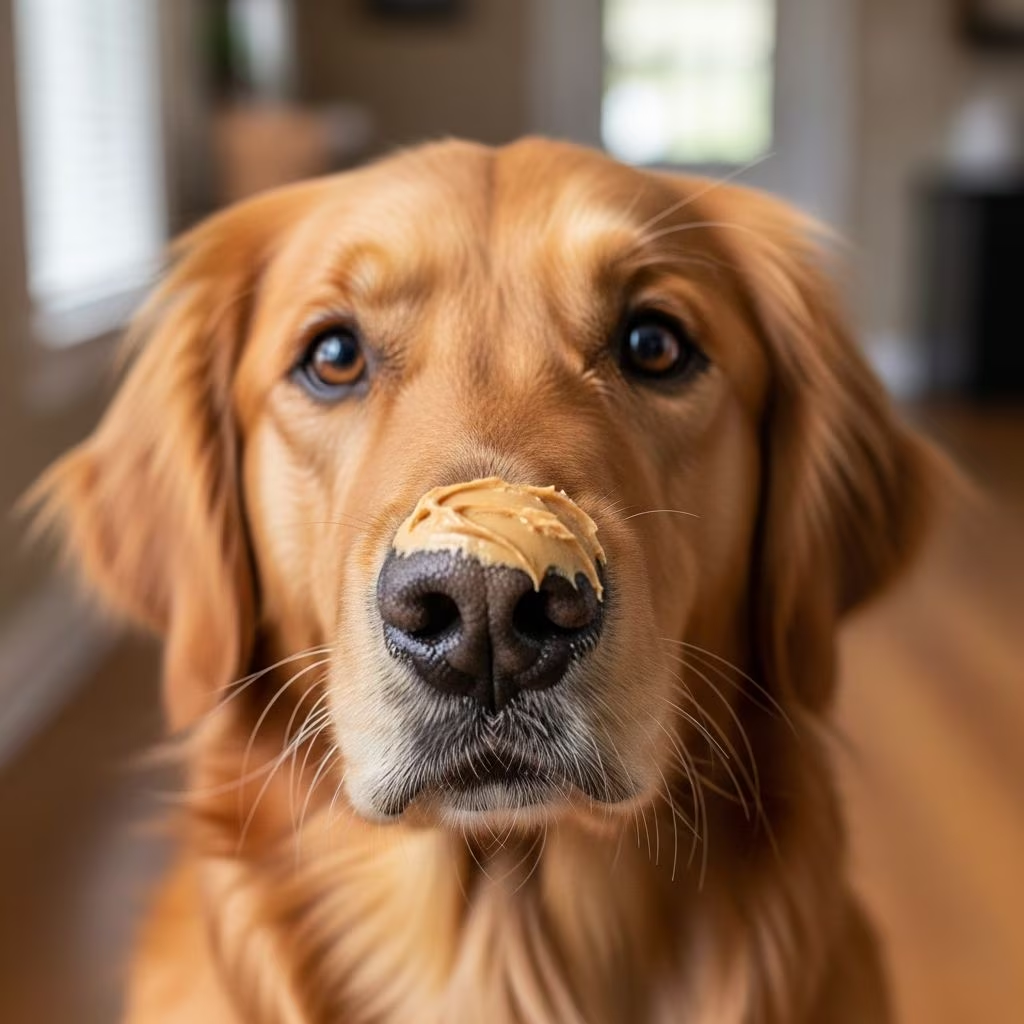
Dogs often show excitement at the sight or smell of peanut butter, making it a popular choice for treats and enrichment activities. However, not all varieties are suitable for canine consumption. The primary concern revolves around specific additives that can pose serious health risks. Selecting the right product and controlling portions ensures it remains a harmless indulgence.
Understanding the Appeal of Peanut Butter for Canines
Peanut butter’s rich aroma and sticky texture captivate dogs, turning it into a versatile tool for training, medication delivery, and mental stimulation. Its nutty flavor provides a rewarding experience that encourages positive behaviors during sessions. Beyond enjoyment, it supplies protein and healthy fats essential for energy and coat health when given appropriately.
Owners frequently spread it inside toys like Kongs to promote longer chewing sessions, reducing boredom and destructive tendencies. This method also slows consumption, aiding digestion compared to rapid eating.
Critical Dangers: Ingredients to Avoid Completely
The most hazardous additive in some peanut butters is xylitol, an artificial sweetener common in sugar-free versions. Even tiny quantities can trigger a cascade of severe symptoms in dogs, including hypoglycemia, seizures, liver failure, and potentially death. Veterinary sources unanimously warn against any product listing xylitol on the label.
Other problematic elements include excessive salt, sugar, and hydrogenated oils, which contribute to dehydration, obesity, and cardiovascular strain over time. Products with these should be off-limits for regular use.
Selecting Dog-Friendly Peanut Butter Varieties
Opt for natural peanut butter containing only peanuts and perhaps a pinch of salt. These minimalist formulations minimize risks while preserving nutritional value. Both smooth and crunchy textures work well, though crunchy may offer added dental benefits from gentle abrasion—supervise small breeds to prevent choking.
Dog-specific peanut butters, formulated without human-oriented additives, provide a safer alternative. Homemade versions allow full control: blend roasted peanuts until creamy, avoiding any sweeteners. Always verify ingredient lists meticulously before purchase.
Nutritional Profile and Health Advantages
Suitable peanut butter delivers protein for muscle maintenance, monounsaturated fats for skin and fur vitality, and vitamins like E and B-complex for immune support and metabolism. Niacin aids nerve function, making it a nutrient-dense occasional snack.
Its calorie density—around 190 per two tablespoons—necessitates restraint to avoid excess weight gain. Treats should constitute no more than 10% of daily caloric intake to maintain balance with complete meals.
Recommended Serving Sizes by Dog Profile
Portion control prevents gastrointestinal upset and pancreatitis flare-ups from high fat content. Guidelines vary by size, activity, and condition:
| Dog Size | Max Per Serving | Frequency |
|---|---|---|
| Small (under 20 lbs) | ½ teaspoon | 1-2 times weekly |
| Medium (20-50 lbs) | 1 teaspoon | 2-3 times weekly |
| Large (over 50 lbs) | 1-2 teaspoons | Occasional |
Adjust downward for seniors, less active dogs, or those with weight issues. Puppies require even smaller introductions after weaning, pending vet approval.
Health Conditions That Warrant Caution
- Pancreatitis: Fat overload exacerbates inflammation; strict avoidance recommended.
- Obesity: Caloric density hinders management; substitute lower-fat options.
- Diabetes: Carbs and fats influence blood sugar; monitor closely or eliminate.
- Allergies: Rare peanut sensitivities manifest as itching, ear infections, or digestive woes.
- Kidney Disease: High salt burdens filtration; low-sodium only if approved.
Consult veterinarians for tailored advice, especially with special diets or histories.
Signs of Adverse Reactions and Response Steps
Post-consumption vigilance detects issues early. Watch for vomiting, diarrhea, lethargy, excessive drooling, tremors, or abdominal pain within hours. Mild cases may resolve with fasting and hydration, but xylitol exposure demands immediate emergency care.
For suspected toxicity, note product details, amount ingested, and time elapsed before contacting professionals. Inducing vomiting is not advised without guidance, as it risks aspiration.
Creative and Beneficial Ways to Serve
Enrichment Toys: Fill durable toys for prolonged engagement, fostering mental health.
Training Rewards: Small dabs reinforce commands effectively due to high value.
Medication Masking: Encapsulate pills in a pea-sized amount for easy administration.
Frozen Treats: Mix with water or yogurt, freeze in molds for cooling summer snacks.
Baked Goods: Incorporate into vet-approved recipes like biscuits for variety.
These applications enhance life quality without over-reliance.
Alternatives for Restricted Dogs
Unsuitable candidates benefit from substitutes mimicking texture and appeal:
- Canned pumpkin: Fiber-rich, low-calorie digestive aid.
- Mashed sweet potato: Vitamin-packed, naturally sweet.
- Plain yogurt: Probiotic support for gut health.
- Chicken broth (low-sodium): Hydrating flavor booster.
- Commercial dog spreads: Formulated safely.
Test new items gradually to rule out sensitivities.
Expert Guidelines from Veterinary Authorities
Organizations like the American Kennel Club endorse moderation with unsalted, natural selections for healthy benefits. ASPCA highlights xylitol as a top household toxin, urging label scrutiny. Treats support, not supplant, balanced nutrition.
Frequently Asked Questions
Can puppies eat peanut butter?
Yes, in tiny amounts after 8 weeks, using xylitol-free natural varieties. Introduce slowly and observe.
Is crunchy peanut butter okay?
Absolutely, if ingredient-safe; the bits add chewing interest.
How do I know if it’s toxic?
Check for xylitol, listed as such or under sugar alcohols. Avoid ‘sugar-free’ without verification.
Can it help with pill-giving?
Perfectly; its stickiness holds medications securely.
What if my dog eats too much?
Monitor for pancreatitis signs like vomiting; seek vet if persistent.
Final Thoughts on Incorporating Peanut Butter
When vetted properly, peanut butter enriches a dog’s routine as a nutritious, engaging treat. Prioritize quality, quantity, and individual needs to maximize joy and minimize risks, always aligning with veterinary counsel for optimal well-being.
References
- Is It Safe for Dogs to Eat Peanut Butter? — Best Friends Veterinary Center. 2023. https://bestfriendsvet.org/blog/can-dogs-eat-peanut-butter/
- Can Dogs Eat Peanut Butter? — PetMD. 2024-01-15. https://www.petmd.com/dog/nutrition/can-dogs-eat-peanut-butter
- Can Dogs Eat Peanut Butter? Serving Size & Safety Tips — Spot and Tango. 2023. https://www.spotandtango.com/blog/can-dogs-eat-peanut-butter
- Can Dogs Eat Peanut Butter? — American Kennel Club. 2024. https://www.akc.org/expert-advice/nutrition/can-dogs-eat-peanut-butter/
- Can Dogs Eat Peanut Butter? — Blue Cross. 2023-05-10. https://www.bluecross.org.uk/advice/dog/food-and-weight/can-dogs-eat-peanut-butter
- Can Peanut Butter Kill Your Dog? An Expert Weighs In — National Peanut Board. 2023. https://nationalpeanutboard.org/news/can-peanut-butter-kill-your-dog-an-expert-weighs-in-for-national-dog-day/



