

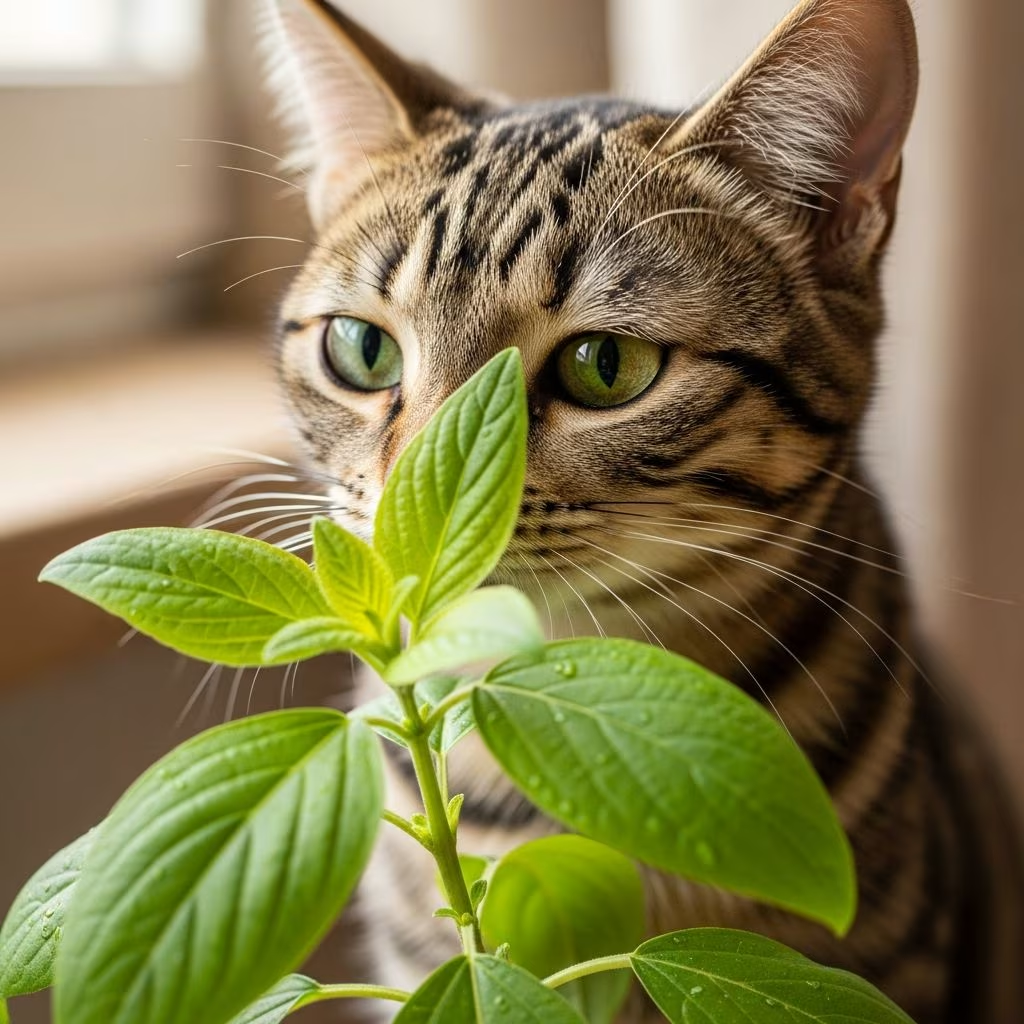
Is Patchouli Safe for Cats? Vet-Reviewed Health Facts
Patchouli oil is a popular essential oil derived from the leaves of patchouli plants, widely used in cosmetics, fragrances, and wellness products for its calming scent and therapeutic properties in humans. However, when it comes to our feline companions, the safety profile of patchouli oil becomes considerably more complicated. While patchouli oil is not considered highly toxic compared to some other essential oils, there is still a considerable risk of using it on or near cats. Understanding these risks is crucial for any cat owner who uses patchouli or other essential oils in their home.
The Issue of Essential Oils and Cats
Essential oils present a unique challenge when it comes to feline safety. These concentrated plant extracts can be absorbed quickly through the skin, orally through ingestion, and through inhalation. Once absorbed, they are metabolized by the liver. The critical issue with cats is that they lack a specific enzyme in their liver that helps metabolize and eliminate certain toxins, particularly those found in essential oils. This fundamental difference in feline liver function makes cats far more susceptible to essential oil toxicity than humans or even dogs.
Certain essential oils, including patchouli, contain phenols and phenolic compounds. When a cat inhales, ingests, or comes into contact with essential oils on their skin, their body cannot process these compounds effectively. The result can be serious health complications or even death, particularly when the essential oil is at its most concentrated form at 100% strength. This vulnerability underscores why essential oils and cats simply don’t mix well.
Most Dangerous Essential Oils for Cats
While patchouli is not on the list of the most dangerous essential oils for cats, understanding which oils pose the greatest threat can help cat owners make informed decisions about which products to avoid entirely in their homes:
- Wintergreen
- Sweet birch
- Citrus (d-limonene)
- Pine
- Ylang Ylang
- Peppermint
- Cinnamon
- Pennyroyal
- Clove
- Eucalyptus
- Tea tree
Although patchouli is not on this most-dangerous list, it does contain phenol compounds and will likely make your cat quite sick if exposed in significant amounts. The absence from the most dangerous list does not mean it is safe; it simply means it is less acutely toxic than these other oils.
Understanding Patchouli Oil and Feline Toxicity
Patchouli oil, like many essential oils, contains compounds that can affect cats differently than they affect humans. The phenolic compounds present in patchouli can accumulate in a cat’s system and cause various health problems. The severity of these problems depends on several factors, including the concentration of the oil, the route of exposure, the duration of exposure, and the individual cat’s age and health status.
Kittens and senior cats are particularly vulnerable to essential oil toxicity. Young kittens have immature liver function, making them less able to process toxins. Senior cats often have pre-existing conditions or declining liver function that makes them more susceptible to toxic effects. Even healthy adult cats can suffer serious consequences from significant patchouli oil exposure.
Routes of Exposure and Health Risks
Understanding how cats can be exposed to patchouli oil is essential for prevention. Cats can encounter patchouli oil through multiple pathways, each presenting different levels of risk.
Inhalation Exposure
Inhalation of patchouli oil fumes is one of the primary routes of exposure. When patchouli oil is diffused in a room, applied as incense, or even opened without proper ventilation, the volatile compounds can become airborne. Cats have sensitive respiratory systems, and even small amounts of inhaled patchouli oil can be harmful. Diffusing patchouli oil in the presence of cats is not safe, as it can exacerbate toxic effects. Even when diluted with water or other carrier oils, exposure through diffusion carries significant risk.
Skin Contact and Grooming
Physical contact with patchouli oil on a cat’s fur or skin presents another serious risk. Cats groom themselves extensively, and any patchouli oil that comes into contact with their fur will likely be ingested during grooming sessions. Additionally, essential oils can be absorbed directly through the skin, bypassing the protective barrier of the digestive system and going straight into the bloodstream. This dual exposure through both skin absorption and subsequent ingestion makes direct contact particularly dangerous.
Ingestion
Direct ingestion of patchouli oil, whether accidental or through contaminated grooming, can cause severe health crises. Ingesting patchouli oil can lead to severe liver damage, gastrointestinal issues, or even death, particularly in kittens and older cats with pre-existing conditions. Even small amounts can be problematic when ingested directly.
Symptoms of Patchouli Oil Exposure in Cats
Cat owners should be aware of the warning signs that indicate a cat has been exposed to essential oils. Recognizing these symptoms quickly can make the difference between life and death for your feline companion.
Respiratory Symptoms
If your cat has inhaled patchouli oil or other essential oils, watch for these respiratory warning signs:
- Labored breathing
- Fast breathing
- Panting
- Coughing
- Wheezing
Gastrointestinal Symptoms
Digestive disturbances are common signs of essential oil toxicity. If your cat looks like they are about to throw up a hairball but doesn’t, this merits an immediate vet visit. Additional signs include vomiting, diarrhea, drooling, and loss of appetite.
General Signs of Distress
Beyond respiratory and gastrointestinal symptoms, watch for lethargy, depression, tremors, or any unusual behavior. Any combination of these symptoms following potential exposure to patchouli oil requires immediate veterinary attention.
What to Do If Your Cat Is Exposed
If you suspect your cat has been exposed to patchouli oil, time is critical. Immediate veterinary attention is essential. Do not attempt home remedies, as they may delay critical care and worsen your cat’s condition. Instead, contact your veterinarian or the nearest emergency veterinary clinic immediately. Be prepared to tell them what oil your cat was exposed to, how much exposure occurred, and when the exposure happened. This information will help your vet provide the most appropriate treatment.
Protecting Your Cat from Patchouli Oil
Prevention is always better than treatment when it comes to protecting your cat from patchouli oil exposure. Cat owners who wish to use patchouli essential oil in their homes need to implement strict safety measures.
Storage and Access Prevention
If you use patchouli essential oil in your home or any other oils, you’ll need to put them in a safe place that your cat can’t access. If your cat is particularly adept at opening cupboards and jumping to high and hard-to-reach areas, you’ll want to thoroughly cat-proof the hiding place. You might also want to seal the patchouli oil in a resealable plastic bag, especially if you can smell it without even opening the bottle. This creates an additional barrier against accidental exposure.
Application and Diffusion Guidelines
When using patchouli oil, make sure you only spray it or light incense when your cat is out of the room. Don’t let your cat back in until the potency has completely faded. Don’t use essential oil reed diffusers in rooms that your cats have access to. Reed diffusers provide constant, low-level exposure that can accumulate over time.
If you do use patchouli oil, diluted essential oils are safer than concentrated versions because the more concentrated the oil is, the more dangerous it is for your cat. However, even diluted oils carry risks and should be used with extreme caution.
Never Apply to Your Cat
Never spray essential oils on or near your cat under any circumstances. Beyond the inhalation problem, if any of it falls on your cat’s fur, it can be absorbed through the skin, and your cat will also ingest it through grooming. This is a significant pathway for toxicity.
Hand Washing and Personal Care
Even if you don’t directly apply patchouli oil to your cat, you should wash your hands before petting your cat if you’ve put on lotion scented with essential oil. While likely quite diluted in lotion form, it’s better to be safe than sorry when it comes to your cat’s health. Any essential oil residue on your hands can transfer to your cat’s fur and create the same risk of skin absorption and grooming-related ingestion.
The Balance Between Human Enjoyment and Feline Safety
While using essential oils can prove to be of benefit for humans, particularly if you’re in love with a scent, they’re not safe for use around cats. The fundamental differences in how cats metabolize these compounds means that what feels therapeutic and pleasant to you can be genuinely dangerous to your feline companion. This creates a challenging situation for cat owners who enjoy using patchouli or other essential oils.
The safest approach is to either avoid using patchouli oil entirely if you have cats, or to use it only in areas completely inaccessible to your feline friends, such as a personal bedroom with a closed door, a locked cabinet in a cat-free room, or an office that your cat never enters. If you do choose to use patchouli oil, play it safe and only use it when your cat isn’t in the room, and ensure that it’s quite diluted. If you’re still worried about the risks, you probably shouldn’t use it at all.
Frequently Asked Questions (FAQs)
Q: Is patchouli oil completely toxic to cats?
A: Patchouli oil is not considered highly toxic like some other essential oils, but it does contain phenolic compounds that cats cannot metabolize effectively. Even exposure to diluted patchouli can cause serious health issues, making it unsafe for use around cats.
Q: What should I do if my cat accidentally ingests patchouli oil?
A: Seek immediate veterinary attention. Do not attempt home remedies, as they may delay critical care. Contact an emergency veterinary clinic and provide information about the amount ingested and time of exposure.
Q: Can I use diluted patchouli oil around my cat?
A: While diluted oils are safer than concentrated versions, dilution does not eliminate the risk entirely. It’s still safer to avoid using patchouli oil in areas where your cat spends time.
Q: Are some cats more vulnerable to patchouli oil toxicity?
A: Yes, kittens and senior cats are particularly vulnerable due to immature or declining liver function. Cats with pre-existing health conditions are also at higher risk.
Q: How can I enjoy patchouli scents without risking my cat’s health?
A: Use patchouli oil only in closed rooms that your cat cannot access. Avoid diffusers, sprays, and personal care products with patchouli oil in shared living spaces.
Conclusion
Patchouli essential oil is not thought to be as toxic as some other essential oils like tea tree or eucalyptus, but it does contain phenols, which can pose a danger to your cat. It’s dangerous if your cat breathes it in or if it’s put on their skin and fur. The risks associated with patchouli oil stem from the unique metabolic limitations of felines and their inability to process phenolic compounds effectively.
As a responsible cat owner, prioritizing your feline companion’s health means making informed decisions about which products to use in your home. While using essential oils can prove to be of benefit for us, particularly if you’re in love with a scent, they’re not safe for use around cats. The choice between personal enjoyment and your cat’s safety should always favor your cat’s wellbeing. Play it safe, and only use patchouli when your cat isn’t in the room, and ensure that it’s quite diluted. If you’re still worried, you probably shouldn’t use it at all.
References
- Cats and Essential Oil Safety — Robert Tisserand. 2011. https://roberttisserand.com/2011/06/cats-essential-oil-safety/
- Is Patchouli Safe for Cats? Vet-Reviewed Health Facts — Catster. https://www.catster.com/cat-health-care/is-patchouli-safe-for-cats/
- Pet Poison Helpline: Essential Oil Toxicity in Pets — ASPCA Animal Poison Control Center. https://www.aspca.org/



