

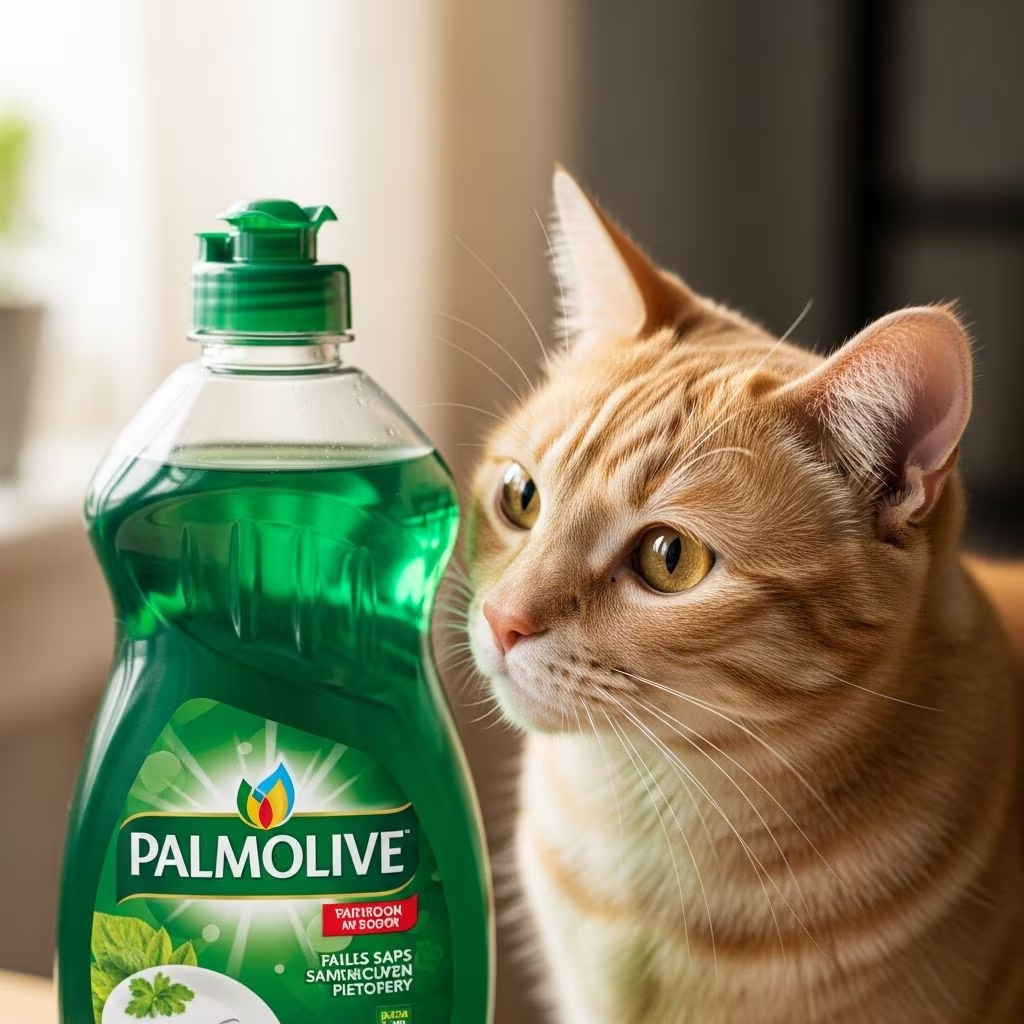
Is Palmolive Dish Soap Safe for Cats? Understanding the Facts
Many pet owners wonder whether common household items like Palmolive dish soap can safely clean their feline companions. While Palmolive and similar dish soaps are sometimes promoted as animal-safe products, the reality is more nuanced. Palmolive should be used on cats only in emergency situations, not as a regular grooming solution. Understanding the distinction between emergency use and routine care is essential for maintaining your cat’s skin and coat health.
The Safety Profile of Palmolive on Cats
Palmolive dish soap does have some merit when it comes to cleaning cats, particularly in urgent circumstances. The soap is not immediately toxic to cats’ skin and can effectively remove excess oils, dirt, and debris from their fur. However, the key phrase here is “emergency situations.” Regular and long-term use can cause significant damage to your cat’s delicate skin and coat, leading to discomfort and health complications.
The primary issue lies in the formulation itself. Palmolive is designed for washing greasy dishes, not for cleaning feline skin. This fundamental difference in purpose means the product lacks the proper pH balance that cats’ skin requires. Cat shampoos are specifically formulated to match a cat’s skin pH, which is typically more acidic than human skin. When you use dish soap on your cat, you’re introducing a product that doesn’t align with your pet’s biological needs.
Understanding the Risks: Why Palmolive Isn’t Ideal
pH Imbalance and Skin Irritation
One of the most significant concerns with using Palmolive on cats is the pH mismatch. Cat skin has a pH level around 6.2 to 6.4, which is slightly acidic. Palmolive dish soap is formulated with a higher pH, typically between 8 and 10. This difference may seem minor, but it can have substantial effects on your cat’s skin and fur. Regular exposure to soap with an incompatible pH level can leave your cat’s fur stiff, matted, and difficult to brush. The skin underneath may become irritated and uncomfortable.
Oil Stripping and Dryness
Dish soaps like Palmolive are engineered to cut through grease and oil on dishes. While this quality makes them effective for kitchen use, it becomes problematic when applied to your cat. Cats naturally produce oils that protect and nourish their skin and coat. These oils are not enemies to be eliminated; they’re essential for maintaining healthy, shiny fur and preventing skin problems. When you use Palmolive on your cat, the soap strips away these protective natural oils, leaving your cat with dry, flaky skin and a rough, bristly coat. Over time, this can lead to serious skin conditions and chronic discomfort.
Ingestion Hazards
Cats are meticulous groomers, spending a significant portion of their day licking and cleaning themselves. This grooming behavior means that any soap residue left on their fur after a bath becomes a potential ingestion hazard. Some ingredients in Palmolive dish soap can be dangerous if swallowed by cats. One particularly concerning ingredient is sodium xylene sulfonate, which has been associated with carcinogenic properties and can cause serious health issues including diarrhea, vomiting, contact dermatitis, and eye irritation. Additionally, methylisothiazolinone, another ingredient found in some formulations, has raised concerns among pet owners and veterinarians.
When Is It Acceptable to Use Palmolive on Cats?
Despite the risks outlined above, there are limited circumstances where using Palmolive on your cat may be justified. These situations are genuinely exceptional and should not become routine practices.
Extreme Mess Situations
If your cat has encountered a significant spill or accident involving an oily or greasy substance, Palmolive’s grease-cutting properties might be necessary. For example, if your cat gets drenched in motor oil, cooking grease, or another stubborn substance that water alone cannot remove, Palmolive may be the quickest way to clean your pet before seeking professional veterinary help. In such cases, use the minimal amount necessary and follow up with a thorough rinse.
Flea Emergency Treatment
Another emergency scenario involves fleas. If a stray cat you’ve found or your own cat suddenly develops fleas and you have no appropriate flea treatment on hand, Palmolive can provide temporary relief by removing adult fleas from the coat. However, it’s crucial to understand that dish soap is not a complete flea solution. It will only eliminate adult fleas present at the time of bathing, leaving behind flea eggs and larvae that will continue to develop. This makes Palmolive useful only as a stop-gap measure while you arrange for proper veterinary flea treatment.
Lack of Cat Shampoo
If you truly find yourself in a situation where your cat requires bathing and you have no cat shampoo available, Palmolive can serve as a last resort. However, this scenario should be rare, as cat shampoos are widely available and relatively inexpensive. It’s advisable to keep cat shampoo on hand at home to avoid ever being in this position.
Why Cat Shampoo Is the Superior Choice
Cat-specific shampoos exist for scientifically valid reasons. These products are developed with cats’ unique dermatological needs in mind. Unlike dish soaps or even dog shampoos, cat shampoos maintain the proper pH balance for feline skin. They’re formulated to clean without stripping essential oils, protecting your cat’s skin barrier and maintaining coat health.
Beyond pH balance, cat shampoos often contain additional beneficial ingredients tailored to specific feline needs. Some formulations target shedding, others address flea and tick control, and still others are medicated to treat specific skin conditions like dandruff or dermatitis. Your veterinarian can recommend the most appropriate formulation for your cat’s individual needs.
Most cats don’t require frequent bathing because they’re naturally clean animals that self-groom regularly. However, when bathing becomes necessary—whether due to greasiness, fleas, dandruff, or a diagnosed skin condition—using the right product makes all the difference in protecting your cat’s health and comfort.
Alternative Dish Soaps and Similar Products
You might wonder whether other dish soaps are safer alternatives to Palmolive. Dawn is another commonly discussed option, and like Palmolive, it shares similar issues. While some sources suggest that certain formulations of dish soap may be marginally safer, the fundamental problems remain: improper pH balance, excessive oil removal, and potential ingestion hazards. Any dish soap should be treated with the same caution as Palmolive. If you must use a dish soap in an emergency, the same guidelines apply: use sparingly, rinse thoroughly, and treat it as a one-time solution, not a routine practice.
Best Practices If You Must Use Palmolive
Should you find yourself in a genuine emergency requiring the use of Palmolive, follow these guidelines to minimize potential harm:
- Use minimal amounts: Apply only the smallest quantity necessary to address the problem
- Ensure thorough rinsing: Rinse your cat extensively with clean, lukewarm water to remove all soap residue
- Apply conditioner: After bathing, consider applying a cat-safe conditioner to help restore some of the oils stripped away by the dish soap
- Monitor for reactions: Watch your cat for signs of skin irritation, excessive scratching, or digestive upset in the days following the bath
- Follow up with proper products: Immediately obtain appropriate cat shampoo for any future bathing needs
- Seek veterinary advice: If your cat develops skin issues or shows signs of distress after using dish soap, contact your veterinarian
Long-Term Effects of Regular Palmolive Use
While using Palmolive once in a true emergency is unlikely to cause permanent damage, regularly using dish soap on your cat can lead to chronic problems. Repeated exposure to the harsh surfactants in dish soap gradually damages the skin barrier, reducing its ability to retain moisture and protect against irritants. This can result in chronic dryness, sensitivity, and increased susceptibility to infections or parasites. Additionally, the cumulative effect of ingesting soap residue during grooming could potentially lead to gastrointestinal issues or other health problems over time.
Frequently Asked Questions
Q: Is Palmolive dish soap toxic to cats?
A: Palmolive is not immediately toxic in small quantities, but it contains ingredients like sodium xylene sulfonate that can be harmful if ingested regularly. It should not be used as a routine shampoo because of the cumulative risks to skin and digestive health.
Q: Can I use Palmolive to treat fleas on my cat?
A: Palmolive can remove adult fleas from your cat’s coat as an emergency measure only. However, it cannot kill flea eggs or larvae, so it won’t solve a flea infestation. Always follow up with proper veterinary flea treatment for complete protection.
Q: How often can I safely use Palmolive on my cat?
A: Ideally, never. If you absolutely must use it, it should be reserved for genuine emergencies only—not more than once or twice at most. Regular use is not recommended and can damage your cat’s skin and coat over time.
Q: What’s the best shampoo to use on my cat?
A: Use a shampoo specifically formulated for cats. Your veterinarian can recommend appropriate products based on your cat’s age, skin condition, and any specific health needs. There are various formulations available for different purposes, from general grooming to medicated treatments.
Q: What should I do if my cat gets into something greasy?
A: If possible, contact your veterinarian first for guidance. If Palmolive must be used as an emergency measure, apply it sparingly, rinse thoroughly with lukewarm water, and follow up with a cat-safe conditioner if available. Seek veterinary care if your cat shows signs of skin irritation afterward.
Q: Are human or dog shampoos safe for cats?
A: No. Human and dog shampoos have different pH balances than products formulated for cats and can damage your cat’s skin and coat. Always choose products specifically designed for feline skin.
Final Recommendations
The bottom line is clear: reserve Palmolive and similar dish soaps for genuine emergencies only. While these products can be effective at cleaning and removing fleas or oils, their risks to your cat’s skin, coat, and overall health outweigh their benefits in routine use. Invest in quality cat-specific shampoo to keep at home for any bathing needs. Speak with your veterinarian if your cat requires medicated shampoo for a skin condition. By choosing appropriate grooming products and reserving harsh soaps for true emergencies, you’ll help ensure your feline companion enjoys a healthy, comfortable life with a beautiful, well-maintained coat.
References
- Is Palmolive Dish Soap Safe for Cats? Vet-Approved Risks — Catster. 2024. https://www.catster.com/cat-health-care/is-palmolive-dish-soap-safe-for-cats/
- Is Palmolive Dish Soap Safe for Cats? Safety & Efficacy Explained — Hepper. 2024. https://articles.hepper.com/is-palmolive-dish-soap-safe-for-cats/
- Does Palmolive Kill Fleas on Cats? Vet Reviewed Effectiveness — Catster. 2024. https://www.catster.com/cat-health-care/does-palmolive-kill-fleas-on-cats/



