

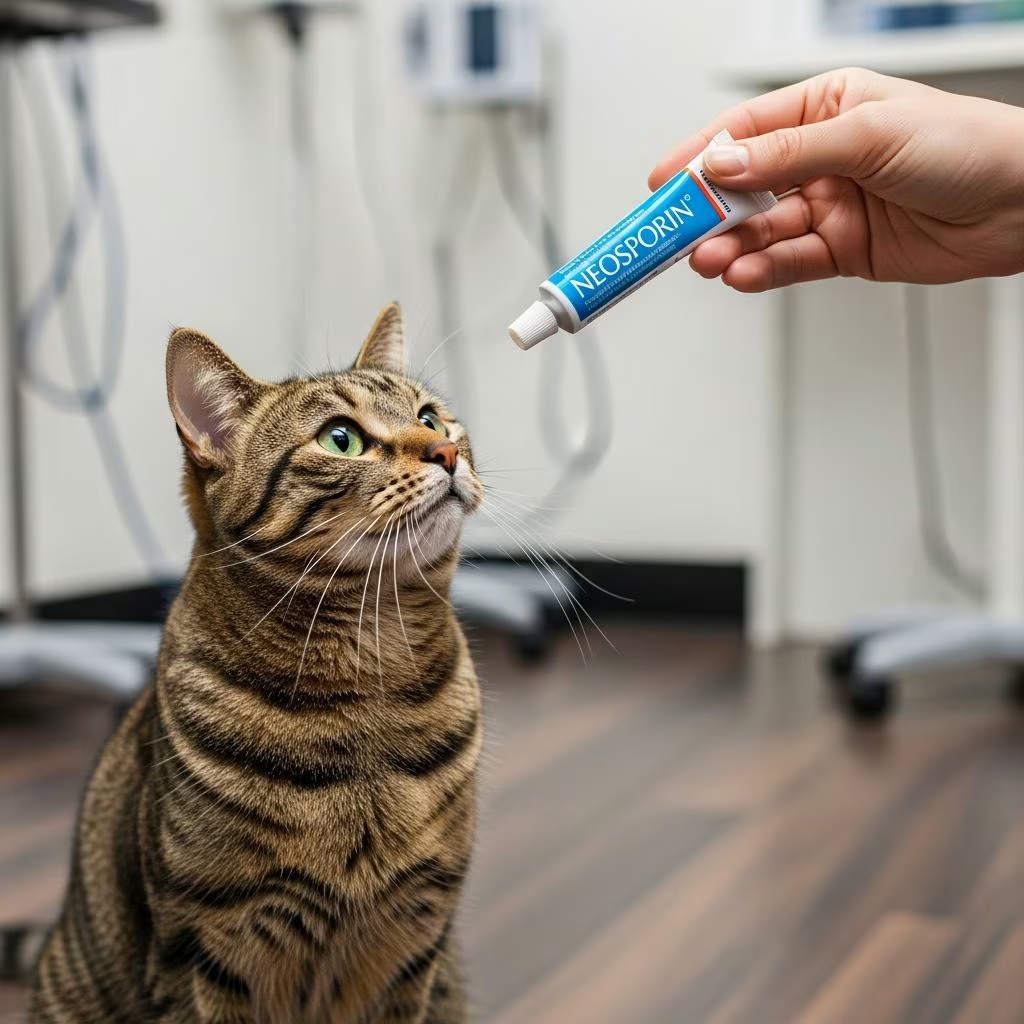
Neosporin, a popular triple antibiotic ointment for humans containing bacitracin, neomycin, and polymyxin B, is not recommended for cats. While it effectively treats minor cuts and scrapes in people, cats’ unique physiology and grooming habits make it risky, potentially causing allergic reactions ranging from mild irritation to life-threatening anaphylaxis.
Cats instinctively lick wounds, leading to ingestion of the ointment, which amplifies toxicity risks. Veterinary experts unanimously advise against its use, favoring cat-specific alternatives. This comprehensive guide covers why Neosporin is unsafe, symptoms of adverse reactions, safe wound care options, and when to seek professional help.
What Is Neosporin and How Does It Work?
Neosporin is an over-the-counter topical antibiotic ointment designed to prevent bacterial infections in minor skin wounds. Its three active ingredients target different bacteria:
- Bacitracin: Inhibits bacterial cell wall synthesis, effective against gram-positive bacteria.
- Neomycin: An aminoglycoside antibiotic that disrupts protein synthesis in bacteria, covering a broad spectrum but known for ototoxicity and nephrotoxicity in sensitive species.
- Polymyxin B: Targets gram-negative bacteria by damaging their cell membranes.
Together, they provide comprehensive protection against common wound pathogens in humans. However, these ingredients are not formulated or tested for feline use, and cats metabolize them differently due to deficiencies in certain liver enzymes.
Why Is Neosporin Unsafe for Cats?
The primary dangers stem from two factors: topical allergic reactions and oral ingestion via grooming. Cats’ skin is more sensitive, and their tendency to lick applications ensures rapid ingestion.
Allergic Reactions from Topical Use
Even without ingestion, Neosporin can cause contact dermatitis or hypersensitivity. Neomycin is the most common allergen, affecting up to 10% of cats in veterinary reports, manifesting as redness, swelling, itching, or hives at the application site. Polymyxin B has been specifically linked to anaphylaxis, particularly in ophthalmic formulations.
Dangers of Ingestion
Cats groom excessively, ingesting ointments within minutes. Ingested Neosporin can cause gastrointestinal upset or severe anaphylaxis. The Pet Poison Helpline notes symptoms like drooling, vomiting, diarrhea, lethargy, tremors, and collapse. In rare cases, it leads to fatal shock.
| Risk Factor | Topical Application | Ingestion |
|---|---|---|
| Allergic Reaction | Mild to severe skin inflammation | Anaphylaxis, GI distress |
| Frequency | Uncommon but possible | Highly likely due to grooming |
| Severity | Usually resolves with removal | Potentially life-threatening |
Manufacturer Johnson & Johnson explicitly warns against use on cats, and most vets prohibit it entirely.
Symptoms of Neosporin Reaction in Cats
Monitor closely if Neosporin has been applied. Reactions can appear within minutes to hours.
- Mild symptoms: Redness, itching, swelling at site; mild vomiting or diarrhea.
- Severe symptoms: Facial swelling, hives, difficulty breathing, collapse, tremors, excessive drooling, loss of appetite.
Skin signs include lesions, tooth discoloration from chronic exposure, excessive thirst/urination indicating kidney involvement.
What to Do If Your Cat Reacts
- Immediately wash the area with mild soap and lukewarm water to remove all ointment.
- Prevent further licking with an e-collar if needed.
- Monitor for 24-48 hours; contact vet if symptoms persist or worsen.
- For anaphylaxis signs (pale gums, rapid breathing), seek emergency care immediately.
Avoid future use, as reactions often intensify on re-exposure.
Safe Alternatives to Neosporin for Cats
Veterinarians recommend cat-safe options for wound care. Always consult a vet before applying anything.
- Clean Water or Saline Solution: First-line for minor wounds; flushes debris without chemicals.
- Chlorhexidine Solution (e.g., Dilute Hibiclens): Antiseptic safe for cats when diluted (1:10 with water); apply sparingly.
- Silver Sulfadiazine Cream: Prescription antibacterial effective for burns/cuts; low allergy risk.
- Vet-Approved Ointments: Like Douxo S3 Pyo or vetericyn; free of neomycin/polymyxin.
- Honey (Medical Grade): Natural antibacterial; Manuka honey has proven efficacy in veterinary studies.
For eyes, never use human products; only vet-prescribed ophthalmic antibiotics. Polysporin (bacitracin/polymyxin) is equally dangerous, risking kidney failure and heart damage.
When to See a Vet for Cat Wounds
Not all wounds need ointment. Assess severity:
- Home Care: Superficial scratches <1cm, no bleeding, cat calm.
- Vet Visit: Deep punctures, bites (infection risk high), abscesses, eye involvement, lethargy, or wounds on face/paws.
Cats hide pain, so professional evaluation prevents complications like abscesses. Tetanus is rare in cats but possible.
Preventing Wounds and Infections in Cats
Proactive care reduces need for treatments:
- Keep nails trimmed to prevent scratches.
- Supervise outdoor time; indoor cats have fewer injuries.
- Maintain flea control to avoid fight wounds.
- Regular vet checkups for skin health.
For chronic issues like allergies, hypoallergenic diets help.
Frequently Asked Questions (FAQs)
Can you use Neosporin on a cat’s minor cut?
No. Risks outweigh benefits; use saline and consult a vet.
What happens if a cat licks Neosporin?
Possible vomiting, diarrhea, or anaphylaxis. Wash off and monitor.
Is there a cat-safe version of Neosporin?
No direct equivalent; vets prescribe alternatives like silver sulfadiazine.
Can Neosporin be used in a cat’s eye?
Absolutely not; polymyxin B risks fatal anaphylaxis.
How do I clean a cat wound at home?
Gently flush with saline, pat dry, apply vet-approved antiseptic, bandage if needed.
This FAQ section addresses common queries for better SEO and user experience.
References
- Neosporin on Cats: Safety, Side Effects & Alternatives — Cats.com. 2023. https://cats.com/neosporin-on-cats
- Can You Put Neosporin on a Cat — MetLife Pet Insurance. 2023. https://www.metlifepetinsurance.com/blog/pet-health/neosporin-on-cats/
- Neosporin for Cats: Is There a Version That’s Safe for Cats? — GoodRx. 2024. https://www.goodrx.com/pet-health/cat/neosporin-for-cats
- How to Treat a Cat’s Wound at Home and at a Vet — PetCareRx. 2023. https://www.petcarerx.com/article/how-to-treat-a-cats-wound-at-home-and-at-a-vet/802
- Can You Use Neosporin On Cats — YouTube (Veterinary Channel). 2023. https://www.youtube.com/watch?v=uMT8YC1qb88
- Can I Use Neosporin To Treat My Cat’s Eye Infection? — Memphis Veterinary Specialists. 2022-06-15. https://www.memphisveterinaryspecialists.com/site/blog-cordova/2022/06/15/can-i-use-neosporin-to-treat-my-cats-eye-infection
- About Neosporin in Treating Eye Infection in Cats — Animal Eye Guys. 2023-11-30. https://www.animaleyeguys.com/site/blog/2023/11/30/neosporin-treating-eye-infection-cats



