

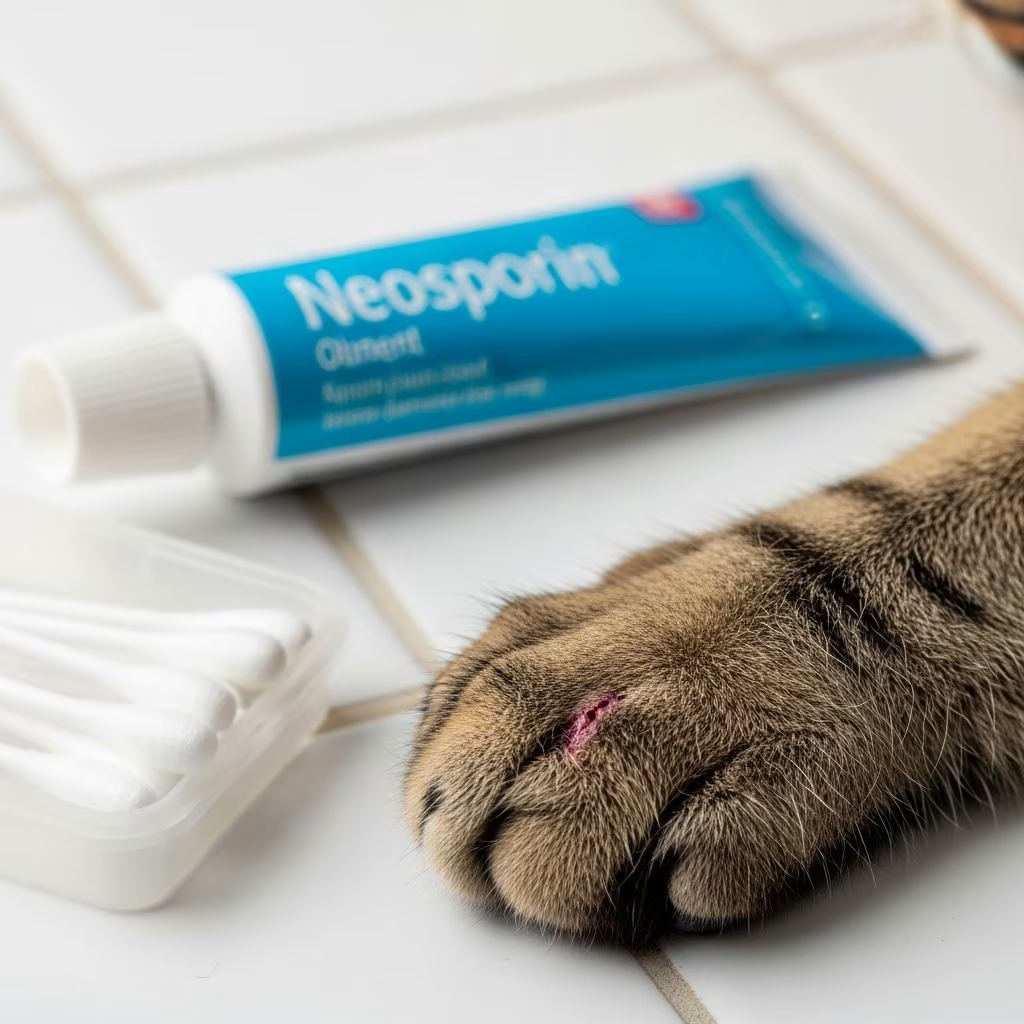
Neosporin, a popular triple antibiotic ointment for humans containing bacitracin, neomycin, and polymyxin B, is not recommended for cats due to significant health risks including allergic reactions and ingestion toxicity from grooming.
What Is Neosporin?
Neosporin is an over-the-counter topical antibiotic ointment designed to prevent and treat minor skin infections in humans by combating bacteria on cuts, scrapes, and burns. Its active ingredients—bacitracin, neomycin, and polymyxin B—work synergistically to target a broad spectrum of bacteria. While effective for human use, these components pose unique dangers to cats because of their physiology and grooming habits.
Cats lack certain enzymes that humans and dogs possess, making them more susceptible to toxicity from neomycin in particular. Additionally, the manufacturer’s guidelines explicitly advise against using Neosporin on cats, as it has not been tested for safety or efficacy in felines.
Is Neosporin Safe for Cats?
No, Neosporin is generally not safe for cats. Although some cats may tolerate small topical applications without immediate issues, the risks far outweigh any potential benefits. Cats instinctively groom themselves, leading to inevitable ingestion of the ointment, which can trigger severe allergic reactions or gastrointestinal upset.
- Topical Risks: When applied to the skin, Neosporin is relatively safe short-term, but some cats develop mild allergic reactions such as redness or itching at the site.
- Ingestion Risks: Licking leads to oral exposure, where even small amounts can cause vomiting, diarrhea, or life-threatening anaphylaxis in sensitive cats.
- Veterinary Consensus: Most vets strongly advise against it, recommending feline-specific alternatives instead.
The Pet Poison Helpline notes symptoms like drooling, lethargy, and tremors from ingestion, emphasizing the unpredictability of reactions—no test exists to predict which cats will react severely.
Why Is Neosporin Dangerous for Cats?
The dangers stem from Neosporin’s ingredients and feline biology. Neomycin, a key antibiotic, is ototoxic and nephrotoxic in cats if absorbed systemically, potentially damaging ears, kidneys, and other organs. Polymyxin B has been linked to anaphylactic shock, especially in ophthalmic forms used near eyes.
| Ingredient | Risk to Cats | Common Effects |
|---|---|---|
| Bacitracin | Low allergy risk | Mild skin irritation |
| Neomycin | High toxicity risk | GI upset, organ damage if ingested |
| Polymyxin B | Anaphylaxis trigger | Fatal shock, especially ocular use |
Cats’ tendency to lick wounds exacerbates these issues; the ointment rarely stays in place long enough to be effective. Allergic reactions can escalate quickly, with neomycin and polymyxin B being primary culprits over bacitracin.
Side Effects of Neosporin in Cats
Side effects vary from mild to severe, often appearing within hours of application or ingestion.
- Mild Reactions: Localized redness, swelling, itching, or rash at the application site.
- Gastrointestinal: Vomiting, diarrhea, drooling, loss of appetite, excessive thirst/urination.
- Severe Allergies: Hives, facial swelling, difficulty breathing, tremors, collapse.
- Life-Threatening: Anaphylactic shock, potentially fatal without immediate intervention.
Skin lesions or tooth discoloration may also occur with repeated exposure. Monitor closely for 24-48 hours post-application.
What to Do If Your Cat Has an Allergic Reaction to Neosporin
Act swiftly if you suspect a reaction:
- Remove the Ointment: Gently wash the area with mild soap and lukewarm water to eliminate residue.
- Monitor Symptoms: Watch for vomiting, lethargy, swelling, or breathing issues. Mild GI upset may resolve alone.
- Seek Veterinary Care: Contact your vet immediately for severe signs like tremors or collapse. They may prescribe antihistamines, steroids, or supportive care like fluids.
- Prevent Future Use: Note the allergy; reactions often worsen on re-exposure.
If ingestion occurred, do not induce vomiting; professional guidance is essential.
Alternatives to Neosporin for Cats
Safer options exist for cat wound care. Always consult a vet before applying anything.
- Silver Sulfadiazine Cream: Broad-spectrum antibacterial, less allergenic; vet-prescribed for burns/wounds.
- Manuka Honey: Natural antibacterial with wound-healing properties; apply thinly.
- Chlorhexidine Solution (e.g., Hibiclens): Antiseptic wash for cleaning wounds without antibiotics.
- Vet-Prescribed Ointments: Feline-specific topicals like those without neomycin.
- Polysporin Caution: Avoid; deadly risks like kidney failure in cats despite dog tolerance.
For minor wounds, clean with saline and cover with a bandage if possible, using an e-collar to prevent licking.
How to Clean and Treat Cat Wounds at Home
For superficial scratches or scrapes:
- Assess Severity: Stop bleeding with gentle pressure; seek vet for deep punctures, swelling, or lethargy.
- Clean Gently: Use saline (1 tsp salt in 1 cup warm water) or diluted chlorhexidine. Avoid hydrogen peroxide or alcohol.
- Apply Safe Topical: Vet-approved ointment only; thin layer.
- Protect the Area: Use cone collar, sock bandage, or bitter spray.
- Monitor Healing: Redness should fade in 2-3 days; pus or fever warrants a vet visit.
Never use human products without advice; cats heal differently.
When to See a Vet for Your Cat’s Wound
Professional care is needed if:
- Wound is deep, gaping, or from a bite (infection risk high).
- Signs of infection: pus, foul odor, increasing swelling, fever.
- Cat is lethargic, not eating, or wound near eyes/joints.
- Any bleeding won’t stop after 10 minutes.
- Abscess suspected (common in cat fights).
Vets may use draining, antibiotics, or surgery. Early intervention prevents complications.
Can You Use Neosporin on a Cat Wound?
No—risks of allergy and ingestion make it unwise. Even if your cat seems fine previously, latent sensitization can occur. Opt for vet guidance every time.
Neosporin on Cat Eyes or Ears
Absolutely not. Ophthalmic Neosporin is especially dangerous, with polymyxin B linked to fatal anaphylaxis. Ear applications risk ototoxicity. Use vet-prescribed drops only.
FAQs
What happens if a cat licks Neosporin?
Mild cases cause vomiting/diarrhea; severe ones lead to anaphylaxis. Monitor and call vet if symptoms persist.
Is there a safe version of Neosporin for cats?
No feline-specific Neosporin exists; vets prefer alternatives like silver sulfadiazine.
How do I treat a small cat scratch at home?
Clean with saline, apply vet-approved antiseptic, use e-collar. See vet if not improving.
Can cats be allergic to bacitracin?
Less common than to neomycin/polymyxin, but possible. All ingredients carry risk.
What’s the best antibiotic ointment for cats?
Vet-prescribed ones without neomycin; manuka honey for natural option.
References
- Neosporin on Cats: Safety, Side Effects & Alternatives — Cats.com. 2023. https://cats.com/neosporin-on-cats
- Can You Put Neosporin on a Cat — MetLife Pet Insurance. 2023. https://www.metlifepetinsurance.com/blog/pet-health/neosporin-on-cats/
- Neosporin for Cats: Is There a Version That’s Safe for Cats? — GoodRx. 2024. https://www.goodrx.com/pet-health/cat/neosporin-for-cats
- How to Treat a Cat’s Wound at Home and at a Vet — PetCareRx. 2023. https://www.petcarerx.com/article/how-to-treat-a-cats-wound-at-home-and-at-a-vet/802
- Can You Use Neosporin On Cats — YouTube (Veterinary Channel). 2023. https://www.youtube.com/watch?v=uMT8YC1qb88
- Can I Use Neosporin To Treat My Cat’s Eye Infection? — Memphis Veterinary Specialists. 2022-06-15. https://www.memphisveterinaryspecialists.com/site/blog-cordova/2022/06/15/can-i-use-neosporin-to-treat-my-cats-eye-infection
- About Neosporin in Treating Eye Infection in Cats — Animal Eye Guys. 2023-11-30. https://www.animaleyeguys.com/site/blog/2023/11/30/neosporin-treating-eye-infection-cats



