

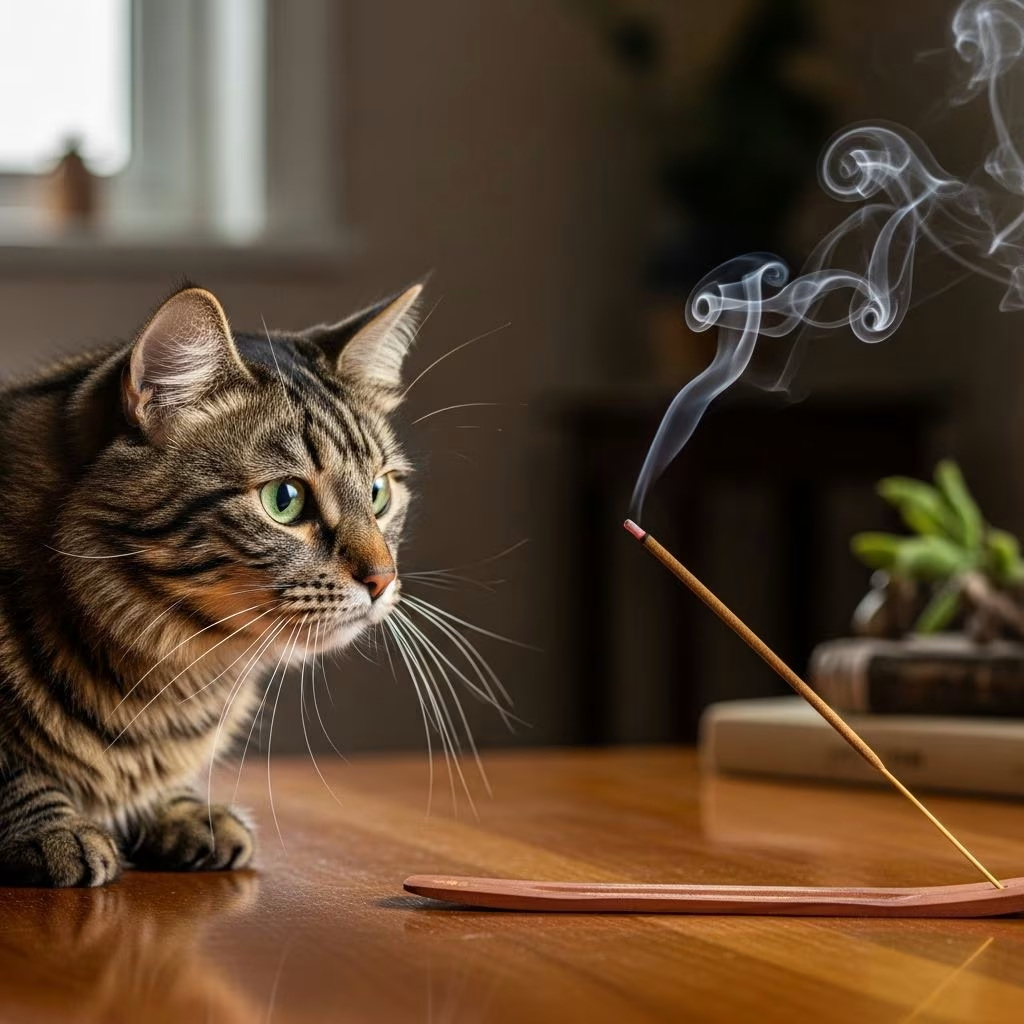
Nag champa incense, beloved for its earthy, floral aroma, poses potential risks to cats primarily due to smoke inhalation and strong scents, making it unwise to burn around feline companions. While not directly toxic, the particles and fragrances can irritate sensitive respiratory systems, and veterinary experts recommend avoiding it or using extreme caution in cat households.
What Is Nag Champa Incense?
Nag champa is a popular incense blend originating from India, crafted from sandalwood and champak flower resins, often combined with frangipani and other natural essences for its signature sweet, musky scent. Traditionally used in meditation, spiritual practices, and home fragrance, it burns slowly, releasing dense smoke that permeates spaces effectively. However, this same smoke raises concerns for pets with heightened olfactory and respiratory sensitivities.
Cats possess about 200 million odor receptors compared to humans’ 5 million, amplifying their reaction to intense aromas like nag champa. The incense’s volatile organic compounds (VOCs) and particulate matter linger in the air, potentially overwhelming cats even if owners find the scent pleasant.
Is Nag Champa Incense Safe for Cats?
The short answer is no—nag champa incense is not considered safe for regular use around cats. Veterinary sources emphasize that while the ingredients themselves aren’t acutely poisonous if ingested in small amounts, the combustion process produces harmful byproducts. Smoke from any incense, including nag champa, can lead to immediate irritation or long-term health issues in felines.
Key factors include:
- Smoke particulates: Fine particles deposit in lungs, causing inflammation.
- Strong fragrances: Overpower cats’ acute sense of smell, leading to stress or avoidance behaviors.
- Individual sensitivity: Kittens, seniors, or cats with pre-existing conditions face higher risks.
Monitor for signs like watery eyes, sneezing, or hiding, and discontinue use immediately if observed.
Why Burning Incense Is Bad for Your Cat
Burning nag champa or similar incense introduces multiple hazards to cats beyond mere scent. Here’s a breakdown of the primary risks:
Respiratory Irritation
Incense smoke irritates a cat’s delicate airways, prompting coughing, wheezing, or nasal discharge. Cats groom frequently, ingesting particles via fur, which compounds internal exposure. Sensitive individuals may develop chronic bronchitis-like symptoms from repeated exposure.
Asthma Risk
Feline asthma, affecting up to 5% of cats, can be triggered or exacerbated by incense particulates acting as allergens. Even healthy cats risk sensitization over time, where smoke particles provoke immune responses leading to airway constriction and attacks.
Fire Hazard
Curious cats may knock over burning sticks, igniting fabrics or carpets—incense causes thousands of home fires annually. Hot ash drops pose burn risks, and unsupervised burning amplifies dangers in multi-pet homes.
Potential Carcinogens
Incense combustion releases polycyclic aromatic hydrocarbons (PAHs) and VOCs linked to respiratory cancers in animal studies. Long-term indoor exposure elevates these compounds in household air, posing cumulative risks to cats’ shorter lifespans.
Intense Smell
The potent nag champa fragrance, pleasant to humans, can be nauseating or anxiety-inducing for cats, disrupting eating, sleeping, or litter habits.
| Risk Factor | Impact on Cats | Severity Level |
|---|---|---|
| Respiratory Irritation | Coughing, sneezing | High |
| Asthma Trigger | Breathing attacks | Critical |
| Fire Hazard | Burns, house fires | High |
| Carcinogens | Cancer risk | Medium-Long Term |
| Strong Odor | Stress, avoidance | Moderate |
Safe Ways to Burn Incense Around Cats
If spiritual or aromatic rituals demand incense, minimize risks with these vet-suggested precautions:
- Designate one room: Burn only in a cat-free zone, like a closed bathroom, with windows open for ventilation.
- Secure storage: Place incense holders on high, stable shelves inaccessible to jumping cats.
- Supervise always: Never leave burning incense unattended; extinguish promptly.
- Enhance airflow: Use fans or exhausts to disperse smoke quickly.
- Limit duration: Burn for short sessions (under 30 minutes) sparingly, like weekly.
Even with precautions, complete avoidance remains the safest choice for cat health.
Cat-Safe Alternatives to Incense
Enjoy fresh scents without endangering your cat using these non-toxic options:
- Fragrant houseplants: Lemon balm, sage, rosemary, or mint release natural aromas and are non-toxic if nibbled occasionally—place out of chewing reach.
- Essential oil diffusers: Ultrasonic models with cat-safe oils like cedarwood or lavender (diluted, no direct contact); avoid phenols or tea tree.
- Unscented candles: Beeswax or soy varieties burn cleanly without fragrances.
- Pet-safe sprays: Natural odor neutralizers with baking soda or plant extracts.
- Ventilation focus: Air purifiers with HEPA filters remove pet odors effectively.
For incense lovers, explore pet-formulated sticks with natural, low-smoke ingredients, but verify vet approval first.
Frequently Asked Questions (FAQs)
What symptoms indicate incense affecting my cat?
Look for coughing, sneezing, watery eyes, excessive grooming, lethargy, or hiding. Severe cases include breathing difficulty—seek vet care immediately.
Are there cat-safe incense options?
Pet-specific incense with 100% natural essential oils like lavender or chamomile exists, but use in moderation with ventilation. Traditional nag champa is not recommended.
Can nag champa cause long-term damage?
Yes, repeated exposure risks chronic respiratory issues, asthma development, or cancer from carcinogens. Prevention is key.
How do I know if it’s an emergency?
Emergency signs: labored breathing, blue gums, collapse, or persistent distress. Contact a vet or emergency clinic without delay.
Is nag champa toxic if eaten?
Not highly toxic, but ingestion may cause gastrointestinal upset. Smoke remains the primary concern.
Conclusion
While nag champa incense enchants many with its timeless scent, its risks to cats—ranging from respiratory woes to fire dangers—outweigh benefits in pet homes. Opt for safer alternatives to maintain harmony and health. Prioritize ventilation, supervision, and cat-free zones if use is unavoidable, but elimination is ideal for your feline friend’s well-being.
References
- Is it harmful for my cat if I’ve been burning nag champa incense — Dial A Vet. 2023. https://www.dialavet.com/vet-answers/nag-champa-incense-cat-safety-18885
- Is Nag Champa Incense Safe for Cats? Vet Approved Facts & Safety — Catster. 2023-10-08. https://www.catster.com/cat-health-care/is-nag-champa-incense-safe-for-cats/
- Is Nag Champa Incense Safe for Cats? — Vocal Media. 2023. https://vocal.media/lifehack/is-nag-champa-incense-safe-for-cats
- Pet Incense Sticks — Incense Sticks. 2023. https://incensesticks.com/collections/pet-incense-sticks
- The Ultimate Guide to Nag Champa — Roanoke Creek. 2023-10-08. https://www.roanokecreek.com/index.php/2023/10/08/the-ultimate-guide-to-nag-champa-everything-you-need-to-know/



