

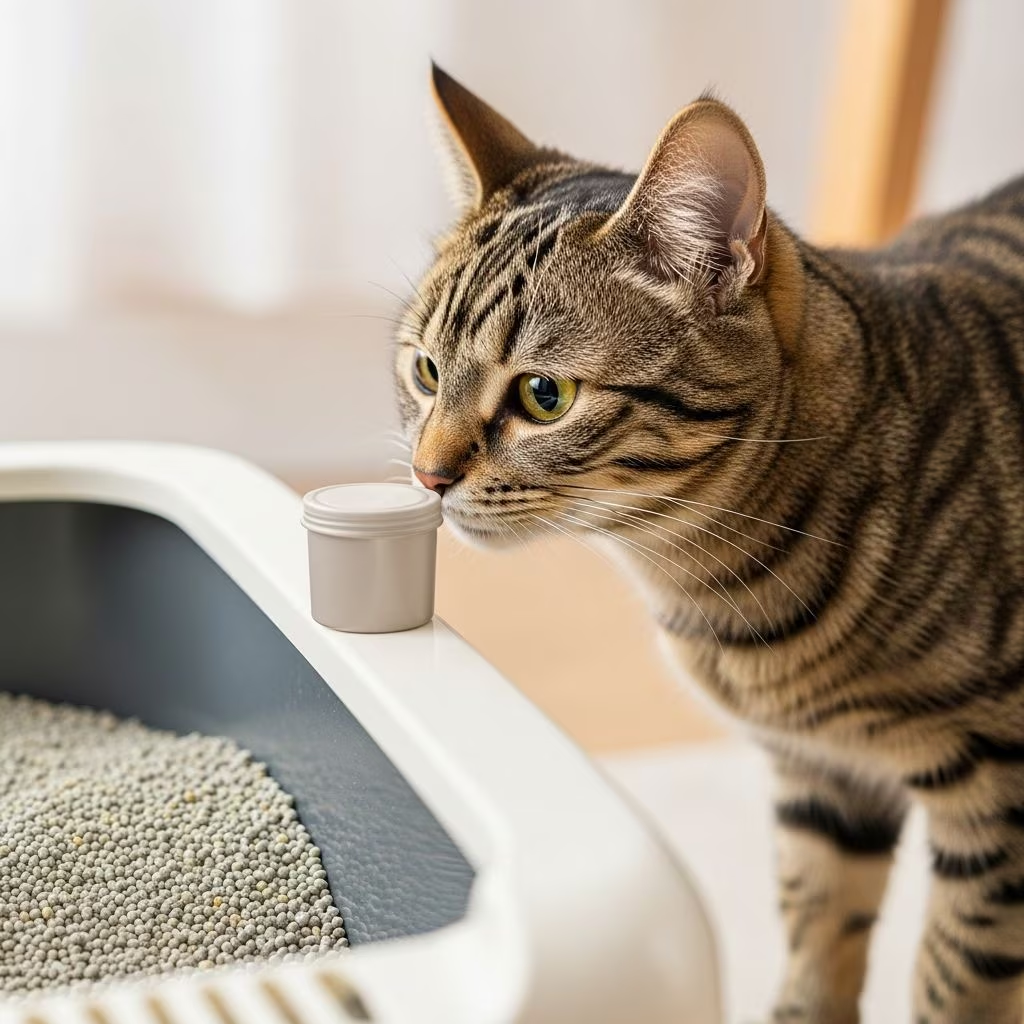
Litter deodorizers designed specifically for cat litter boxes are generally safe and non-toxic for cats when used as directed, helping control odors without replacing proper litter box maintenance. However, not all deodorizers are equal—those not formulated for pets, especially with essential oils, can cause respiratory irritation or other issues if cats are exposed long-term.
What Is Cat Litter Deodorizer?
Cat litter deodorizer is a product added to the litter box to neutralize and eliminate urine, feces, and ammonia odors, making your home fresher without constant full cleanouts. These come as powders, sprays, or additives that target odor molecules at the source, often using natural agents like enzymes or baking soda rather than masking scents with fragrances. Unlike general household deodorizers, pet-specific ones prioritize safety, avoiding toxic chemicals that cats might inhale or ingest during grooming.
Available in scented and unscented varieties, they integrate seamlessly with clumping, non-clumping, or crystal litters. For multi-cat households, they’re particularly useful for maintaining hygiene between scoops. Always choose products labeled for cat litter to minimize risks.
Is Litter Deodorizer Safe for My Cat?
Yes, litter deodorizers made for cats are considered safe, as they’re formulated to be non-toxic even if pawed or ingested in small amounts. Veterinary experts emphasize following package instructions precisely, such as sprinkling lightly over litter rather than dumping large quantities, to avoid overwhelming your cat’s sensitive senses.
Potential concerns arise with non-pet products, like those containing essential oils (e.g., tea tree or eucalyptus), which can irritate respiratory systems or cause skin issues upon prolonged exposure. Cats groom frequently, so residue on paws could lead to ingestion, but cat-specific deodorizers use safe ingredients like bio-enzymes that break down odors biologically without harm. Monitor your cat for signs of distress, such as sneezing or avoidance of the box, and discontinue if observed.
Common Ingredients in Cat Litter Deodorizers
- Baking Soda: A natural absorbent that neutralizes acids in urine and feces odors; safe and effective for most cats.
- Activated Charcoal: Traps odor molecules without releasing scents; non-toxic and gentle on paws.
- Bio-Enzymes: Natural enzymes that digest organic waste at a molecular level, preventing odor buildup; fragrance-free and highly effective.
- Silica Gel or Zeolites: Absorb moisture and odors but can produce dust if low-quality; opt for dust-free versions to avoid inhalation risks.
- Essential Oils (in some): Added for scent but potentially toxic; avoid products with these, as they may cause respiratory or gastrointestinal problems.
Check labels for these ingredients and prioritize fragrance-free, enzyme-based options for optimal safety.
Potential Risks and Downsides of Litter Deodorizers
While safe overall, litter deodorizers carry risks, primarily from improper use or sensitive cats. Scented varieties can irritate respiratory systems, leading to coughing, sneezing, or asthma exacerbation due to fragrances and dust. Ingested via grooming, chemicals might cause gastrointestinal upset, vomiting, or blockages.
Cats may reject the litter box if the scent or texture changes, risking house soiling—picky felines are especially prone. Humans with allergies might experience watery eyes, headaches, or skin rashes from strong odors. Long-term exposure to silica dust or VOCs could pose cumulative risks like hormonal disruptions.
| Risk | Affected Party | Symptoms | Prevention |
|---|---|---|---|
| Respiratory Irritation | Cats/Humans | Coughing, sneezing, asthma | Use unscented, low-dust products |
| Skin Irritation | Cats/Humans | Rashes, itching | Fragrance-free options |
| Gastrointestinal Issues | Cats | Vomiting, diarrhea | Pet-specific formulas |
| Litter Box Avoidance | Cats | House soiling | Introduce gradually |
Are There Benefits to Using Litter Deodorizers?
Absolutely—litter deodorizers extend time between full cleanings, reduce ammonia smells, and keep homes pleasant, especially with multiple cats. Enzyme-based ones actively eliminate odors rather than masking them, promoting better hygiene and reducing bacterial growth. They’re cost-effective, with a small sprinkle lasting days, and work on all litter types without clumping interference. For odor hotspots like diaper pails or kennels, they offer versatile use. Environmentally, natural ingredients like baking soda biodegrade better than chemical sprays.
How to Use Litter Deodorizers Safely
- Scoop waste daily to complement, not replace, deodorizer efficacy.
- Sprinkle lightly (per instructions) after scooping; avoid over-application.
- Introduce gradually: Mix with plain litter for a week to test acceptance.
- Choose unscented, cat-safe products; store away from pets.
- Ventilate the area and use low-dust litter to minimize inhalation.
- Monitor for reactions: Discontinue if sneezing, avoidance, or GI issues appear.
For best results, pair with frequent box cleaning and high-quality litter.
Alternatives to Litter Deodorizers
- Baking Soda-Infused Litters: Built-in odor control without additives; ideal for picky cats.
- Unscented Clumping Litters: Superior absorption reduces odors naturally.
- Crystal or Silica Litters: Excellent moisture lock-in but watch for dust.
- Natural Litters (Pine, Corn, Tofu): Biodegradable with inherent odor-fighting properties; low-dust and hypoallergenic.
- Vinegar Sprays or Enzyme Cleaners: For box rims or accidents; dilute white vinegar neutralizes odors safely.
- Air Purifiers: Whole-room solutions capturing litter dust and smells.
These options minimize additives while maintaining freshness.
Preventing Litter Box Odors Without Deodorizers
Daily scooping is key—remove waste promptly to prevent ammonia buildup. Use one box per cat plus one extra, placed in quiet, accessible spots. Larger boxes allow full body turns, reducing tracking and smells. Deep-clean weekly with mild soap or enzyme sprays, ensuring complete dryness. Low-dust, high-absorbency litters and ventilation combat odors effectively.
Frequently Asked Questions (FAQs)
What makes litter deodorizers unsafe for cats?
Non-pet formulas with essential oils or heavy fragrances can irritate respiratory systems or cause ingestion toxicity via grooming.
Can scented litter deodorizers harm cats?
Yes, scents may trigger sneezing, coughing, or box avoidance; unscented are safer for sensitive cats.
Is baking soda safe in litter deodorizers?
Yes, it’s a natural, non-toxic odor absorber widely used and safe for cats.
How often should I add litter deodorizer?
After each scooping, per package directions—typically a light sprinkle.
Do litter deodorizers replace cleaning?
No, they’re supplements; daily scooping and weekly deep cleans are essential.
Are there natural alternatives?
Yes, enzyme cleaners, vinegar, or baking soda alone work well without risks.
References
- Is Cat Litter Deodorizer Safe for Cats: A Comprehensive Guide — UAH Pet. 2023. https://www.uahpet.com/blogs/post/is-cat-litter-deodorizer-safe-for-cats-a-comprehensive-guide
- Why You Should Try Scented Cat Litter: Benefits & Risks — Supertails. 2023. https://supertails.com/blogs/posts/why-you-should-try-scented-cat-litter-benefits-risks
- Is Litter Deodorizer Safe for My Cat? Vet-Approved Facts — Catster. 2024-01-14. https://www.catster.com/cat-health-care/is-litter-deodorizer-safe-for-cat/
- Can Cat Litter Make You Sick? Health Risks and Safe Practices — Michu Pet. 2023. https://michupet.com/blogs/guide/can-cat-litter-make-you-sick
- Is Scented Litter Bad for Cats? — WOpet. 2023. https://wopet.com/is-scented-litter-bad-for-cats/
- How to Reduce and Avoid Litter Box Smells & Messes — Preventive Vet. 2024. https://www.preventivevet.com/cats/how-to-avoid-litter-box-odors-and-messes



