

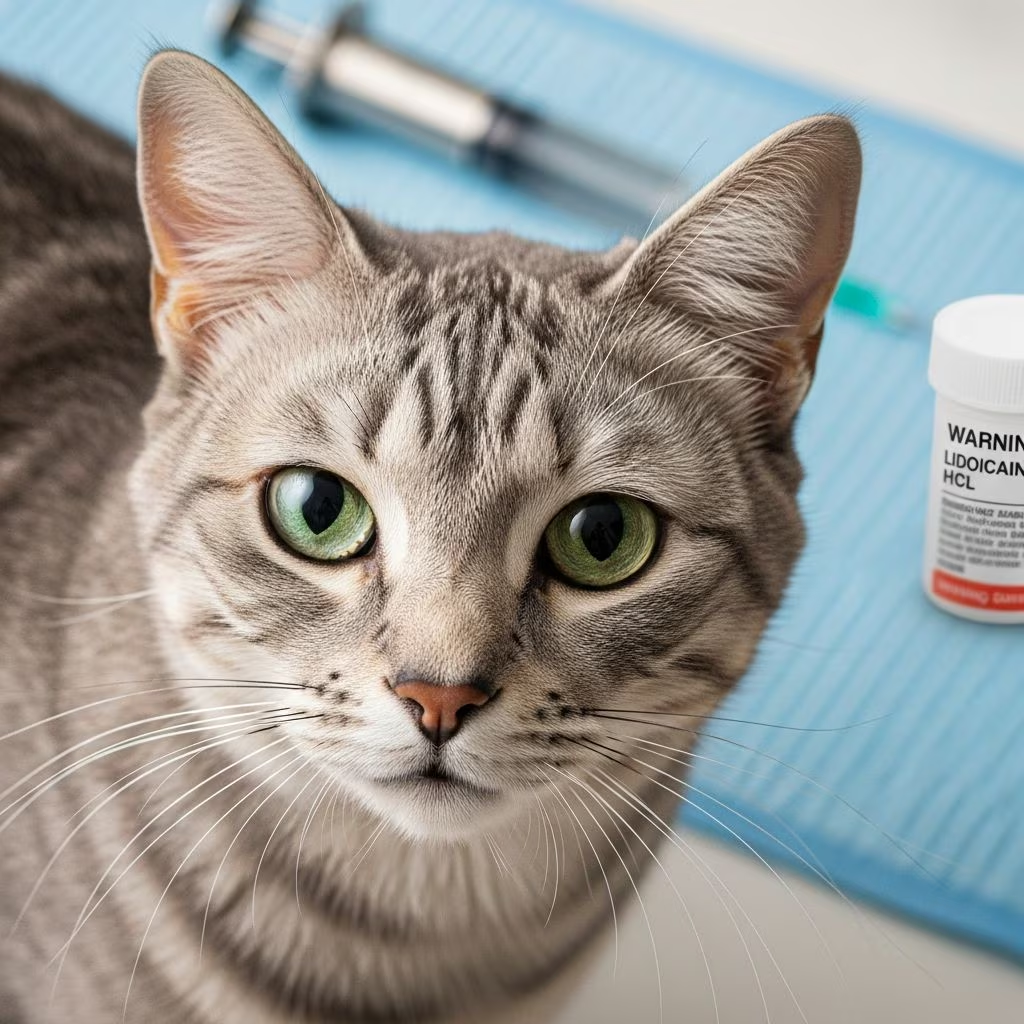
Lidocaine is a local anesthetic commonly used in veterinary medicine, and it can be safe for cats when administered at proper doses by a qualified veterinarian. However, cats are particularly sensitive to this drug, requiring precise dosing and professional oversight to avoid toxicity.
What Is Lidocaine?
Lidocaine is a widely used amide-type local anesthetic that blocks nerve signals to numb specific areas of the body. In veterinary practice, it provides pain relief during minor procedures, desensitizes tissues, or treats certain cardiac arrhythmias. For cats, its primary application is topical or injectable use to facilitate procedures like intubation under general anesthesia by desensitizing the larynx.
Unlike in dogs, where intravenous use for heart rhythm issues is more common, lidocaine in cats is approached with greater caution due to their unique metabolism. Cats lack certain enzymes that efficiently break down local anesthetics, leading to prolonged effects and higher toxicity risk even at low doses.
Is Lidocaine Safe for Cats?
Yes, lidocaine is generally safe for cats when used judiciously by veterinary professionals at recommended doses and routes. It effectively reduces laryngeal reactivity during anesthesia without causing respiratory issues in recovery, as supported by clinical studies. However, safety hinges on avoiding overuse, as cats exhibit heightened sensitivity compared to other species.
- Key Safety Factors: Proper dosage (e.g., 0.25 mg/kg for local anesthesia), veterinary supervision, and monitoring for early toxicity signs.
- Cats metabolize lidocaine slower, so doses must be tailored to weight, age, and health status.
- Not recommended for constant-rate infusions during anesthesia due to cardiovascular risks.
Veterinarians often prefer lidocaine for short-term, localized applications rather than systemic use to minimize risks.
What Is Lidocaine Used for in Cats?
In feline medicine, lidocaine serves several targeted purposes, always under strict veterinary control:
- Local Anesthesia: For minor surgeries, wound suturing, biopsies, or nerve blocks (e.g., dental extractions).
- Laryngeal Desensitization: Applied topically or via injection before endotracheal intubation to prevent gagging or spasms during general anesthesia.
- Topical Pain Relief: Ointments, sprays, or patches for skin conditions or post-procedure pain, though licking must be prevented.
- Rare Cardiac Use: Intravenous for specific arrhythmias, but infrequently due to toxicity concerns.
It’s not typically used epidurally or for prolonged infusions in cats, as safer alternatives exist.
Safe Dosages of Lidocaine for Cats
Precise dosing is critical, guided by protocols like the AAFP Feline Anesthesia Guidelines. Cats require lower doses than dogs due to sensitivity.
| Application | Recommended Dose | Notes |
|---|---|---|
| Local/Regional Anesthesia | 0.25 mg/kg | Single injection; max total 2-2.5 mg/kg. |
| Continuous Infusion | 0.6-1.5 mg/kg/hr (10-25 µg/kg/min) | Max 1.5 mg/kg/hr; monitor plasma levels. |
| Intravenous Regional | 1 mg/kg | With tourniquet; low systemic absorption. |
| Topical (e.g., EMLA cream) | Low concentration, vet-directed | Safe in ill cats per studies; no major adverse effects. |
Always calculate based on body weight and adjust for liver function or dehydration. Exceeding 2 mg/kg risks toxicity.
Potential Side Effects of Lidocaine in Cats
While mild reactions are common and manageable, side effects stem from central nervous system (CNS) and cardiovascular impacts. Cats show CNS signs first, even at therapeutic doses.
- Mild Effects: Lethargy, incoordination, drowsiness, localized swelling, nausea/vomiting.
- Severe Effects: Tremors, seizures, breathing difficulties, low blood pressure, cardiac arrhythmias (e.g., ventricular fibrillation), coma.
Topical or local use rarely causes severe issues at home if vet-prescribed, but intravenous or epidural routes amplify risks. Monitor for vomiting, tremors, or collapse.
Risks of Lidocaine Toxicity in Cats
Lidocaine toxicity occurs above 2 mg/kg total dose, affecting CNS (excitation then depression) and heart. Cats’ slow metabolism heightens vulnerability.
- CNS Toxicity: Restlessness, tremors, seizures, respiratory depression, coma.
- Cardiac Toxicity: Bradycardia, hypotension, asystole.
- Other Risks: Vomiting, lethargy; worsened by liver disease or concurrent drugs.
Toxicity is uncommon with proper use but demands immediate vet intervention: supportive care, lipid emulsion therapy (ILE), hydration, and monitoring.
Precautions When Using Lidocaine in Cats
Importance of Veterinary Supervision
Never administer lidocaine without a vet’s direction. Professionals assess health history, calculate doses, and monitor responses. For home use (e.g., patches), prevent ingestion via e-collar.
- Avoid in cats with heart blocks, liver impairment, or respiratory issues.
- Use cautiously in dehydrated or obese cats.
- Prefer alternatives like bupivacaine for longer procedures.
Safe Use in Kittens and Seniors
Kittens (immature liver) and seniors (reduced function) need dose reductions. Vets adjust based on bloodwork and close monitoring.
Home Application Tips
- Follow exact instructions for topicals.
- Prevent licking/eating; use bitter sprays if needed.
- Watch for side effects and contact vet immediately if seen.
Treatment for Lidocaine Overdose in Cats
If toxicity suspected:
- Stop administration; seek emergency vet care.
- Supportive: IV fluids, oxygen, anti-seizure meds (e.g., diazepam).
- Lipid emulsion (ILE) to bind toxin.
- Monitor ECG, blood pressure, plasma levels until recovery.
Prognosis is good with prompt treatment; most cats recover fully.
Frequently Asked Questions (FAQ)
Can I Use Lidocaine on My Cat at Home?
Only if prescribed by your vet, such as topical ointments or patches for pain. Follow directions precisely and prevent ingestion. Most uses occur in-clinic.
What Is the Toxic Dose of Lidocaine for Cats?
Toxicity typically exceeds 2 mg/kg total dose, varying by route. Symptoms start with CNS signs like tremors.
Is Lidocaine Safe for Kittens or Senior Cats?
Yes, with adjusted lower doses due to immature or impaired liver function. Veterinary assessment is essential.
Can Lidocaine Be Used Topically on Cats?
Yes, via approved forms like EMLA cream, which studies show is safe without significant adverse effects in cats.
Why Are Cats More Sensitive to Lidocaine?
Cats lack glucuronyl transferase enzymes for efficient metabolism, leading to prolonged drug presence and higher toxicity risk.
References
- Feline Lidocaine Safety and Side Effects Guide — HEXIA Pharm. 2024. https://hexiapharm.com/feline-lidocaine-dosages-side-effects/
- Is Lidocaine Safe For Cats? Our Vet Discusses Safety & Risks — Catster. 2024. https://www.catster.com/cat-health-care/is-lidocaine-safe-for-cats/
- Lidocaine for Dogs and Cats — PetPlace.com. 2024. https://www.petplace.com/article/drug-library/drug-library/library/lidocaine-for-dogs-and-cats
- Lidocaine/Lidocaine Combinations Topical — VCA Animal Hospitals. 2024. https://vcahospitals.com/know-your-pet/lidocainelidocaine-combinations-topical
- Local and Regional Analgesic Techniques in Animals — Merck Veterinary Manual. 2024. https://www.merckvetmanual.com/therapeutics/pain-assessment-and-management/local-and-regional-analgesic-techniques-in-animals
- Local Anesthetic Toxicosis — ASPCA Pro. 2024. https://www.aspcapro.org/sites/default/files/toxbrief_0900.pdf
- Adverse effects of EMLA (lidocaine/prilocaine) cream and efficacy — PMC (PubMed Central). 2024. https://pmc.ncbi.nlm.nih.gov/articles/PMC10832683/



