

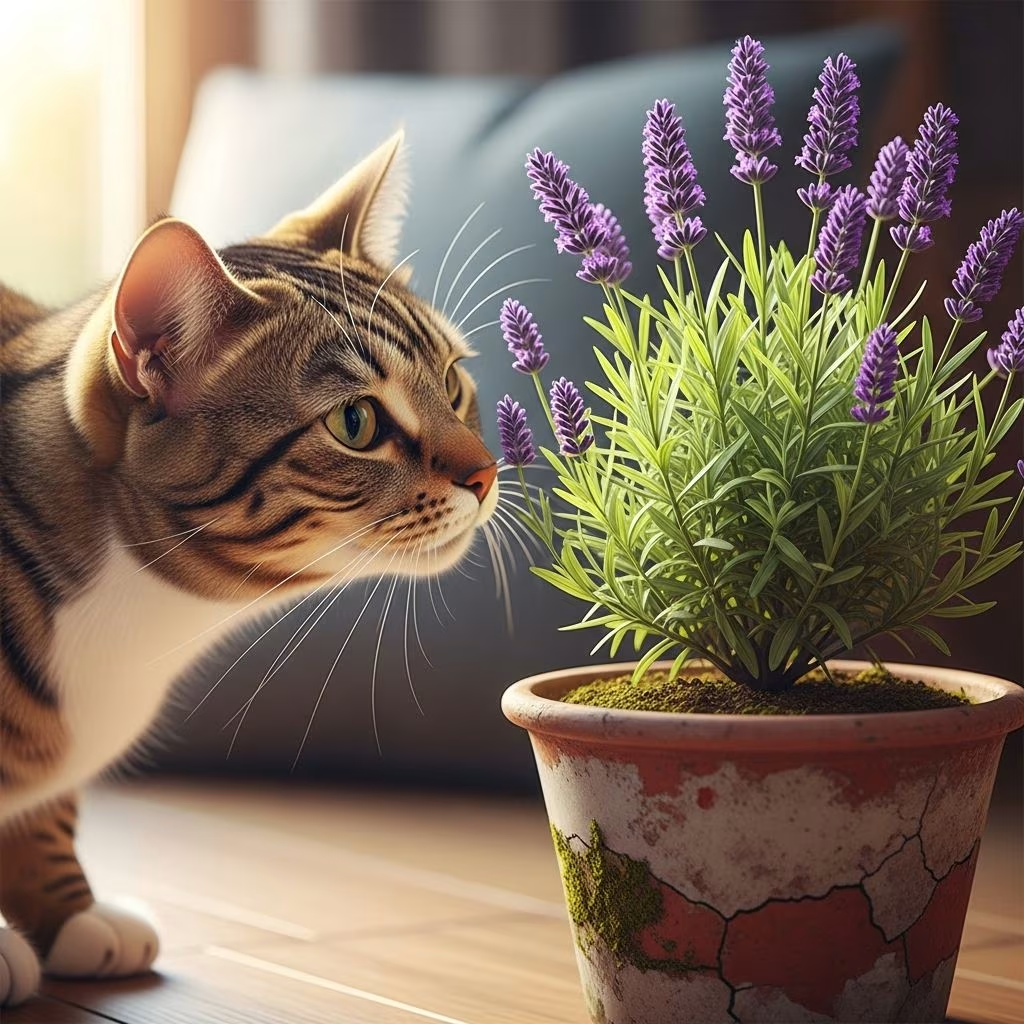
Is Lavender Safe for Cats? Understanding the Risks
Lavender is prized by humans for its calming aroma and therapeutic properties, making it a popular addition to homes, wellness routines, and aromatherapy practices. However, pet owners, particularly cat guardians, often wonder whether this fragrant herb poses any risk to their feline companions. The answer involves understanding the science behind how cats process lavender compounds and recognizing the critical differences between various forms of lavender products available on the market.
The Science Behind Lavender and Cats
Lavender contains two primary compounds called linalool and linalyl acetate. While these aromatic compounds are generally recognized as safe and beneficial for human aromatherapy and wellness practices, they present a significant concern for cats. The key issue lies in feline metabolism: cats lack certain liver enzymes required to effectively process and break down these compounds. This enzymatic deficiency means that when cats are exposed to lavender, these compounds can accumulate in their bodies, potentially leading to toxicity.
This metabolic difference is not unique to lavender—cats have several well-documented sensitivities to compounds that humans and even dogs can tolerate. Understanding this fundamental biological difference is essential for making informed decisions about what plants and products are safe to introduce into a home with feline residents.
Essential Oils vs. Dried Lavender: A Critical Distinction
One of the most important aspects of understanding lavender safety for cats is recognizing that not all lavender products are equally risky. The concentration and form of lavender matter significantly when assessing potential harm to your cat.
Essential Oils: The High-Risk Category
Lavender essential oils are highly concentrated extracts that pose a significant health risk to cats. These oils contain exponentially higher amounts of linalool and linalyl acetate compared to the original plant material. Even passive inhalation from a diffuser can lead to symptoms of toxicity in cats, including difficulty breathing, drooling, fatigue, and muscle tremors.
The concentration process used to create essential oils strips away plant material while leaving behind concentrated compounds, making even small amounts potentially dangerous for feline exposure. Direct application of lavender essential oils to cats is particularly hazardous and should be avoided entirely.
Dried and Fresh Lavender: Lower Risk but Still Concerning
Fresh or dried lavender contains naturally occurring levels of linalool and linalyl acetate in their original plant form, making them significantly less concentrated than essential oils. While the risk is substantially lower when compared to oils, dried and fresh lavender plants can still be harmful if ingested in large quantities.
Some pet product manufacturers use small amounts of dried lavender in formulations designed specifically for cats. When these dried botanicals comprise less than 2% by volume of a product, the exposure may be minimal enough to be relatively safe when used as directed. However, this level of safety requires careful formulation and strict adherence to recommended usage guidelines.
Symptoms of Lavender Toxicity in Cats
Recognizing the signs of lavender toxicity is crucial for cat owners who may have inadvertently exposed their pets to lavender products. Symptoms can vary in severity depending on the form of lavender and the amount of exposure, but common warning signs include:
- Digestive Distress: Vomiting or diarrhea may occur if your cat ingests lavender
- Neurological Symptoms: Look for depression, disorientation, or unusual behaviors such as excessive licking
- Physical Reactions: In severe cases, cats may experience tremors, lethargy, difficulty breathing, or muscle weakness
- Behavioral Changes: Signs of central nervous system depression or unusual restlessness
- Drooling: Excessive salivation can indicate distress or toxicity
If you notice any of these symptoms in your cat after potential lavender exposure, contact your veterinarian immediately. Early intervention can make a significant difference in outcomes.
The Dose-Response Relationship: Why Context Matters
A fundamental principle in toxicology applies to lavender and cats: “the dose makes the poison.” This principle means that almost any substance can be toxic at sufficiently high doses, while many substances are safe at low doses. Even compounds considered essential for health, like water, can cause harm if consumed in excessive quantities.
When manufacturers create pet products containing trace amounts of dried lavender—typically less than 2% by volume—the exposure per serving becomes negligible. For example, in a single serving of a lavender-infused treat blend, a cat might consume less than a pinch of dried lavender, an amount unlikely to cause adverse effects in a typical adult cat.
However, this dose-dependent safety principle requires responsible product formulation and consumer awareness about appropriate usage amounts. The margin of safety narrows considerably if products are misused or given to cats in quantities exceeding recommendations.
Preventive Measures to Protect Your Cat
If you enjoy lavender products in your home but share your space with cats, implementing preventive measures can significantly reduce any potential risks:
- Store lavender essential oils securely: Keep all essential oil products in cabinets or locations completely inaccessible to your cat, preventing accidental ingestion or inhalation exposure
- Avoid diffusers: Refrain from using lavender essential oil diffusers, particularly in rooms where your cat spends significant time, or use them only in well-ventilated areas your cat cannot access
- Control plant access: If you grow fresh lavender at home, ensure the plants are positioned out of reach and monitor your cat’s behavior for any signs of interest or distress
- Choose pet-specific products: If you wish to introduce any lavender-containing product to your cat’s environment, select formulations specifically designed and tested for feline safety
- Read product labels carefully: Understand what form of lavender is used and the concentration levels before introducing any product to your cat
- Introduce new products gradually: When offering any new treat or product containing lavender, start with minimal amounts and observe your cat’s response closely
When to Consult Your Veterinarian
Your veterinarian is your best resource for personalized guidance regarding lavender and your specific cat’s health. Consulting with your vet becomes particularly important if:
- Your cat has pre-existing liver or kidney conditions that might impair their ability to process compounds
- Your cat is taking medications that might interact with lavender compounds
- You’re considering introducing any lavender-containing product to your cat’s routine
- Your cat has exhibited any symptoms following lavender exposure
- You’re unsure about the safety of a specific product for your individual pet
Your veterinarian can evaluate your cat’s health status and provide evidence-based recommendations tailored to your pet’s unique circumstances.
Frequently Asked Questions About Lavender and Cat Safety
Q: Is dried lavender safer than lavender essential oil for cats?
A: Yes, dried lavender is significantly safer than essential oils because it contains naturally occurring, non-concentrated levels of linalool and linalyl acetate. However, cats should still avoid direct ingestion of dried lavender in large quantities.
Q: Can passive inhalation of lavender essential oils harm my cat?
A: Yes, passive inhalation of lavender essential oils from diffusers can lead to symptoms of toxicity in cats. It’s best to avoid using lavender essential oil diffusers in homes with cats.
Q: What should I do if my cat ingests lavender?
A: Contact your veterinarian immediately. While small amounts of dried lavender may not cause serious issues, ingestion of essential oils or large quantities of any form requires professional evaluation and guidance.
Q: Are some cats more sensitive to lavender than others?
A: Yes, individual cats may have varying sensitivities to lavender. Kittens, senior cats, and cats with underlying health conditions may be particularly vulnerable.
Q: Can lavender help with my cat’s anxiety?
A: While lavender has calming properties recognized for centuries in humans, any potential benefits for cats must be weighed against toxicity risks. Consult your veterinarian about safe alternatives or appropriate dosing if you’re interested in anxiety support for your cat.
Q: Are there safer alternatives to lavender for creating a calming environment for my cat?
A: Yes, many alternatives exist that don’t carry toxicity risks, including interactive play, vertical enrichment spaces, puzzle feeders, and feline pheromone products designed specifically for cats. Your veterinarian can recommend options suited to your cat’s needs.
Making Safe Choices for Your Feline Friend
The question of whether lavender is safe for cats doesn’t have a simple yes-or-no answer. Instead, it requires understanding the nuances of lavender concentration, form, and dosage. Lavender essential oils should be avoided entirely in homes with cats. Dried lavender in products formulated specifically for feline use and containing trace amounts may be relatively safe when used as directed, though some caution remains warranted.
The safest approach for most cat owners is to prioritize products and practices known to be feline-safe and to maintain open communication with their veterinarians about any concerns. Your cat’s health and safety should always remain the primary consideration when introducing any new plants or products into your shared living space. By making informed decisions and staying vigilant, you can create an environment where both you and your feline companion thrive safely.
References
- Is Lavender Really Toxic to Cats? The Truth About Our Lavender-Infused Blends — SmarterPaw. 2024. https://smarterpaw.com/blogs/news/is-lavender-really-toxic-to-cats-the-truth-about-our-lavender-infused-blends
- Is Lavender Safe for Cats? — Harlingen Veterinary Clinic. 2024. https://harlingenveterinaryclinic.com/blog/is-lavender-safe-for-cats/
- Is Lavender Safe for Cats? That’s a Hard No — HowStuffWorks. 2024. https://animals.howstuffworks.com/pets/is-lavender-safe-for-cats.htm



