

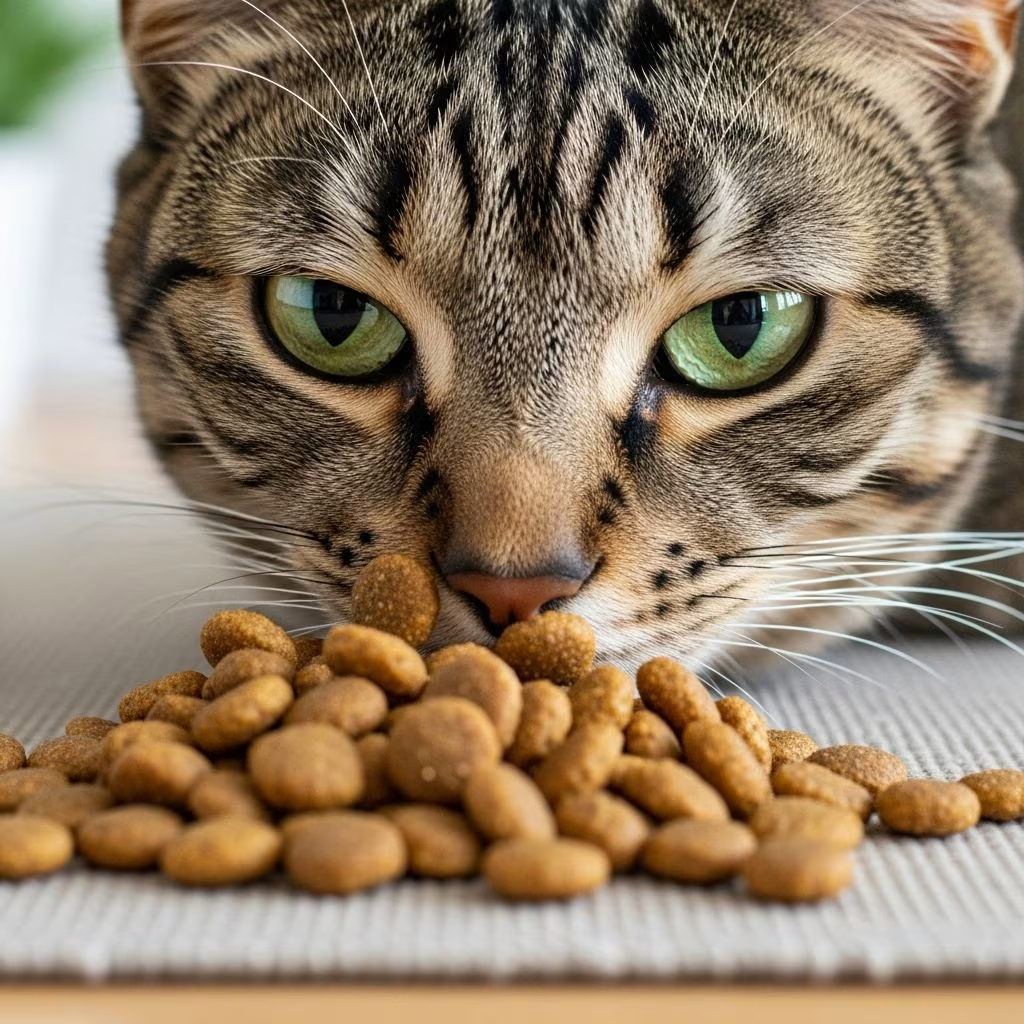
Cats are obligate carnivores, meaning their bodies thrive on high-protein, low-carbohydrate diets derived primarily from animal sources. Dry kibble, while a staple in many households, often deviates from this natural blueprint due to its processing and composition. This article delves into the composition of kibble, its potential downsides, practical benefits, and evidence-based feeding recommendations to help cat owners make informed choices.
Understanding the Makeup of Dry Cat Food
Commercial dry cat food undergoes an extrusion process where ingredients are mixed, ground, and shaped into pellets using high heat and pressure. This results in a product with about 10% moisture, far below the 70-80% found in a cat’s natural prey. To bind the kibble and extend shelf life, manufacturers frequently incorporate grains like corn or wheat, legumes such as peas, or starches, elevating carbohydrate levels to 30-50% or more in some formulas. These plant-based fillers provide energy but are not ideal for cats, whose metabolism prioritizes animal proteins and fats.
Quality varies widely: premium kibbles emphasize meat meals as the first ingredient and meet AAFCO standards for complete nutrition. However, lower-end options rely on by-products and fillers, potentially reducing digestibility. Protein quality matters too—animal sources like chicken or fish are superior to plant proteins for feline absorption.
Key Advantages of Feeding Kibble
Despite concerns, kibble offers undeniable conveniences that appeal to busy owners. Its long shelf life—no refrigeration needed—makes storage simple, and it resists spoilage even when left out. Portion control is straightforward with measuring cups, aiding weight management. Economically, bulk bags are cost-effective compared to canned options.
- Convenience: Easy to portion and store without mess.
- Dental support: The crunch can mechanically reduce plaque as cats chew, though not a substitute for brushing.
- Palatability for some: Flavors appeal to picky eaters without the strong odor of wet food.
High-quality kibbles can form part of a balanced diet, especially when mixed with wet food, providing essential nutrients like taurine for heart and eye health.
Potential Health Drawbacks of a Kibble-Only Diet
While not inherently toxic, exclusive reliance on dry food raises red flags due to its low water content and nutrient profile. Cats evolved from desert-dwelling ancestors with a weak thirst drive, so they may not drink enough to offset kibble’s dryness, leading to chronic low-grade dehydration. This strains kidneys over time, increasing risks for stones, infections, and failure.
High carbohydrates from grains or substitutes promote fat storage, contributing to obesity—a gateway to diabetes. Feline diabetes mirrors human type 2, linked to carb overload in processed diets. Urinary tract diseases (FLUTD) are exacerbated by concentrated urine from dehydration, forming crystals or blockages that can be fatal, especially in males.
| Health Risk | Linked to Kibble | Why It Happens |
|---|---|---|
| Dehydration & Kidney Issues | High | Low moisture; insufficient water intake |
| Obesity & Diabetes | High | Excess carbs convert to fat |
| Urinary Tract Problems | Medium-High | Concentrated urine promotes crystals |
| Digestive Disorders | Medium | Fillers irritate gut; low digestibility |
Other issues include skin allergies from grains, inflammatory bowel disease, and even heart strain from mineral imbalances in poor formulas.
Debunking the Dental Health Myth
A persistent claim is that kibble ‘cleans teeth’ like a toothbrush. In reality, most cats swallow kibble whole or with minimal chewing, limiting abrasion. Sticky carbs in the food can actually foster plaque. Studies from veterinary schools confirm dry food does not prevent tartar buildup effectively—brushing, dental diets, or professional cleanings are proven methods.[10]
Tailoring Diets to Your Cat’s Life Stage and Needs
Not all cats respond identically to kibble; factors like age, activity, and health dictate suitability.
Kittens
Need calorie-dense, high-protein food for growth. Kibble’s hardness challenges baby teeth, and low moisture hinders development. Opt for softened kibble or wet primary.
Adults
Balanced protein/fat ratios suit active cats, but monitor weight. Mixing 50/50 wet-dry prevents dehydration.
Seniors
Lower calories, joint support (omega-3s), and easy chewing. Wet food eases kidney burden and aids hydration.
Special Conditions
- Urinary issues: Wet food dilutes urine.
- Obesity: Low-carb, portioned meals.
- Kidney disease: Low-phosphorus, high-moisture diets.
- Allergies: Novel proteins, grain-free (but watch carb substitutes).
Comparing Kibble to Wet and Raw Alternatives
Wet food shines with 80% moisture, mimicking prey’s hydration and lowering disease risks. It’s pricier and messier but boosts palatability and urine dilution. Raw diets offer species-appropriate nutrition but require safe handling to avoid bacteria.
| Aspect | Dry Kibble | Wet Food | Raw |
|---|---|---|---|
| Hydration | Poor (10%) | Excellent (80%) | High (70%+) |
| Carbs | High | Low | Minimal |
| Convenience | High | Medium | Low |
| Cost | Low | High | Variable |
| Health Risks | Dehydration, obesity | Fewer | Bacterial if mishandled |
A mixed approach—75% wet, 25% kibble—balances benefits, per veterinary consensus.
Selecting Superior Kibble If You Choose It
Prioritize AAFCO-approved formulas listing named meats first, under 10% carbs, and added taurine. Avoid artificial colors, excessive fillers. Transition gradually over 7-10 days to prevent tummy upset. Encourage water intake with fountains, wet food toppers, or broth.
Transitioning to a Healthier Feeding Plan
Start by adding wet food to kibble, increasing over weeks. Monitor urine output, weight, litter clumping (darker means dehydration), and energy. Annual vet checkups catch issues early. Home-cooked or raw needs vet/nutritionist oversight for balance.
Frequently Asked Questions
Can I feed only kibble?
It’s possible with high-quality brands and ample water access, but risks rise long-term. Mixing is safer.
Does grain-free kibble solve carb problems?
Not always—many use peas/potatoes, still carby. Check guarantees.
How much water should my cat drink?
About 3-4 oz per 5 lbs body weight daily, more on kibble. Fountains help.
Is kibble okay for kittens?
Limited; prefer wet for growth and teeth.
What if my cat refuses wet food?
Top kibble with warm water/broth, try flavors gradually.
Conclusion: Prioritize Hydration and Protein
Kibble isn’t poison, but as a sole diet, it falls short of feline needs. Emphasize moisture, quality protein, and variety for vibrant health. Consult your vet for personalized plans—your cat’s vitality depends on it.
References
- Is Dry Food Bad for Cats? The Truth About Kibble & Feline Nutrition — Kwikpets. 2023. https://www.kwikpets.com/blogs/cat/is-dry-food-bad-for-cats
- Cat kibble—the good and the bad explained in detail! — Untamed. 2023. https://untamed.com/blogs/nutrition/what-is-in-dry-cat-food
- Dangers of Dry Cat Food | Risks & Alternatives Explained — Veterinary Secrets. 2023. https://veterinarysecrets.com/dangers-of-dry-cat-food-risks-alternatives-explained/
- Dry foods and risk of disease in cats — PMC – NIH. 2008-04-01. https://pmc.ncbi.nlm.nih.gov/articles/PMC2387258/
- Risks of Dry Food — Affectionately Cats. 2023. https://www.affectionatelycats.com/risks-of-dry-food
- Food For Thought: The Hidden Risks of Dry Cat Food — Savannah Gans. 2023. https://www.savannahgans.com/blog-1/dry-cat-food



