

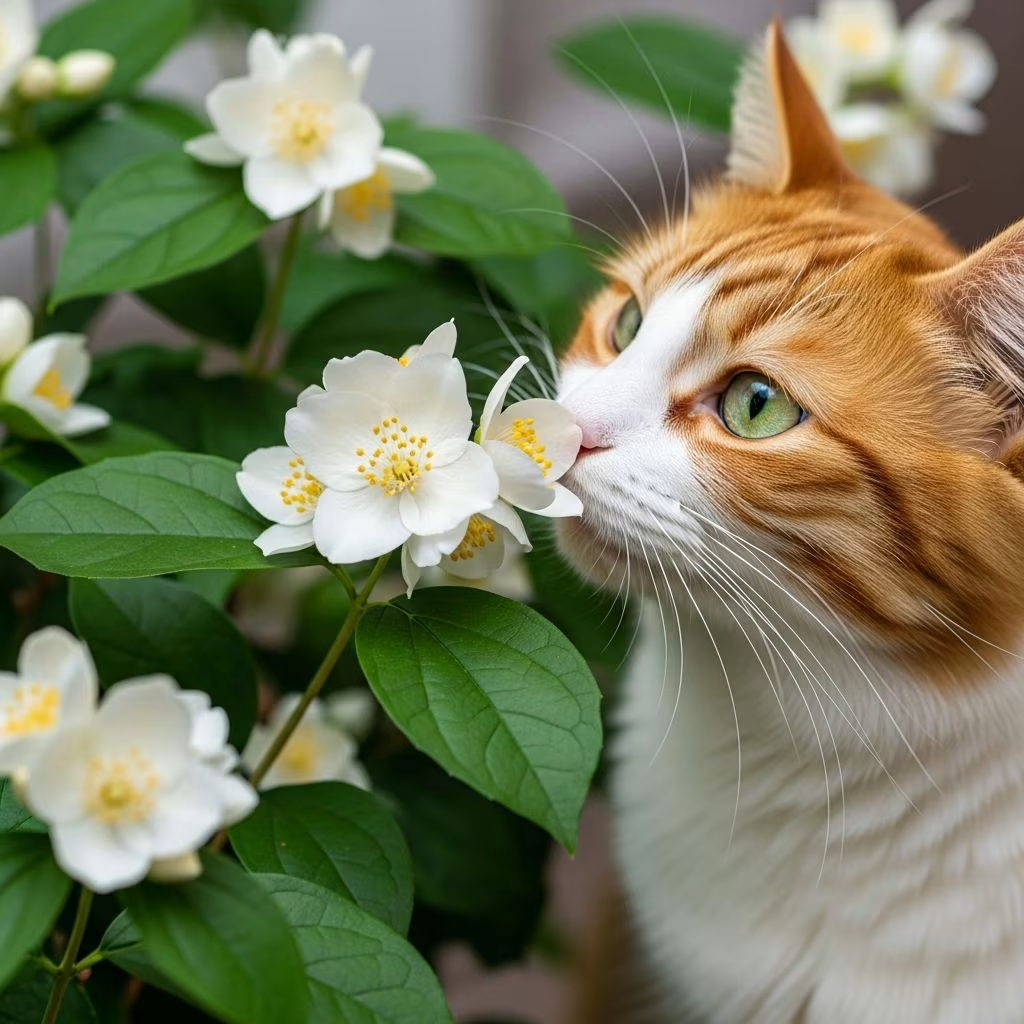
Many cat owners adore jasmine for its fragrant blooms and elegant vines, but concerns about pet safety often arise when introducing houseplants. True jasmine from the Jasminum genus is generally safe for cats, posing no significant toxicity risk according to veterinary authorities. However, numerous plants falsely labeled as jasmine contain potent toxins that can harm felines, leading to anything from mild stomach issues to life-threatening neurological effects. Understanding these distinctions is crucial for creating a pet-friendly environment.
Understanding True Jasmine vs. Dangerous Impostors
The term “jasmine” applies to over 200 species, but not all are harmless. Authentic jasmine belongs to the Jasminum family, native to tropical and warm temperate regions, prized for white or yellow star-shaped flowers and glossy leaves. Common varieties include Jasminum officinale (common jasmine) and Jasminum sambac (Arabian jasmine), both listed as non-toxic by the ASPCA.
In contrast, “false jasmines” mimic the appearance or scent but harbor dangerous compounds. These include:
- Carolina Jessamine (Gelsemium sempervirens): A yellow-flowered vine common in the U.S. Southeast, containing gelsemine and sempervirine alkaloids that attack the nervous system.
- Star Jasmine (Trachelospermum jasminoides): Non-toxic but may cause vomiting if large amounts are eaten.
- Cape Jasmine (Gardenia jasminoides): Features toxic geniposides leading to intense gastrointestinal distress.
- Red Jasmine: Alkaloid-rich, triggering salivation and diarrhea.
- Night-Blooming Jessamine (Cestrum nocturnum): All parts toxic, causing confusion and weakness.
- Crape Jasmine (Tabernaemontana divaricata): Indole alkaloids risk heart issues and paralysis.
Always verify your plant’s botanical name, as nurseries sometimes mislabel. True jasmine thrives indoors or outdoors in USDA zones 8-11, blooming year-round in ideal conditions.
Potential Health Effects on Cats
Even safe jasmines can irritate a cat’s digestive tract due to their fibrous texture or mild irritants, resulting in transient symptoms. Watch for:
- Vomiting or retching
- Loose stools or diarrhea
- Excessive drooling
- Lethargy or reduced eating
- Mild abdominal discomfort
Toxic varieties provoke severe reactions. Carolina Jessamine ingestion leads to neurotoxic effects like muscle weakness, seizures, slowed breathing, hypothermia, swallowing difficulties, and vision impairment, potentially fatal without prompt care. Cape and crape jasmines cause profuse vomiting, bloody diarrhea, and cardiac irregularities.
| Plant Type | Toxicity Level | Key Symptoms |
|---|---|---|
| True Jasmine (Jasminum spp.) | Non-toxic | Mild GI upset |
| Star Jasmine | Low | Vomiting, nausea |
| Carolina Jessamine | High | Seizures, paralysis, death |
| Cape Jasmine | Moderate-High | Severe diarrhea, dehydration |
| Night-Blooming Jessamine | High | Weakness, disorientation |
Cats’ curious nature drives them to nibble plants for fiber or out of boredom, amplifying risks in multi-plant homes.
Recognizing and Responding to Ingestion
Observe your cat post-exposure. Benign signs from true jasmine often resolve in 12-24 hours with hydration and rest. Persistent issues warrant a vet visit.
For suspected toxic exposure:
- Isolate immediately: Prevent further contact.
- Assess severity: Note symptoms onset and plant type.
- Contact professionals: Call your vet, ASPCA Poison Control (888-426-4435), or Pet Poison Helpline (855-764-7661). Provide plant details and symptoms.
- Follow guidance: Vets may recommend activated charcoal, IV fluids, anti-nausea meds, or monitoring. Never induce vomiting without instruction, as some toxins worsen with it.
Early intervention boosts survival rates, especially for neurotoxins where supportive care like anticonvulsants is vital.
Safe Plant Choices for Cat Households
Opt for verified pet-safe alternatives to minimize worry:
- African violets: Colorful, non-toxic blooms.
- Begonias: Vibrant foliage, safe per Hill’s Pet.
- Spider plants: Hardy, air-purifying.
- Cat grass or wheatgrass: Encourages safe nibbling.
- Parlor palm: Elegant and harmless.
These provide greenery without hazards. For jasmine lovers, confirm Jasminum species and elevate pots.
Proactive Strategies to Deter Plant Chewing
Prevention trumps cure. Implement these measures:
- Elevate plants: Use high shelves, hanging baskets, or cat-free rooms.
- Deterrents: Apply pet-safe bitter sprays (e.g., citrus or aloe-based) to leaves.
- Enrich environment: Offer scratching posts, puzzle feeders, and window perches to curb boredom-induced chewing.
- Train consistently: Redirect with toys upon approach; use positive reinforcement.
- Regular audits: Inventory plants annually, consulting ASPCA’s database.
Double up on strategies for persistent chewers. Aluminum foil or double-sided tape around pots adds tactile discouragement.
FAQs
Can cats safely be around common jasmine plants?
Yes, Jasminum officinale and similar true jasmines are non-toxic, though monitor for mild upset.
What makes Carolina Jessamine so dangerous for cats?
It contains neurotoxins causing paralysis, seizures, and respiratory failure; all parts are hazardous.
Is star jasmine okay in a cat home?
Generally yes, but ingestion may cause stomach upset; keep inaccessible.
How do I identify if my jasmine is toxic?
Check botanical name via nursery tag or apps like PictureThis; avoid “jessamine” or gardenia-labeled ones.
What immediate steps if my cat eats a toxic jasmine?
Remove access, note symptoms, call vet or poison hotline—do not wait.
Long-Term Home Plant Safety Planning
Building a cat-safe oasis involves ongoing vigilance. Start by mapping your space: identify access points and high-risk zones like sunny windowsills. Invest in sturdy pots with drainage to discourage digging. Consider vertical gardens or outdoor enclosures for fragrant plants.
Nutritional factors play a role—fiber-deficient diets increase plant-munching. Supplement with vet-approved greens. Seasonal checks are essential; spring growth spurts heighten curiosity.
For multi-pet homes, tailor strategies: kittens need closer supervision than adults. Educate family on risks, especially with gifts like floral arrangements often containing lilies (highly toxic).
Technology aids too: motion-activated air puffers or plant cams monitor behavior remotely. Community resources like vet seminars or apps tracking toxicities empower owners.
Ultimately, balancing beauty and safety yields a harmonious home. True jasmine can enhance your space safely, but knowledge of impostors prevents tragedy. Consult vets for personalized advice, ensuring your cat thrives amid greenery.
References
- Are Jasmine Plants Toxic to Cats? — Zoorithm. 2023. https://www.zoorithm.com/cats/are-jasmine-plants-toxic-to-cats
- Is Jasmine Poisonous to Cats? Vet-Reviewed Houseplants Examined — Catster. 2024. https://www.catster.com/cat-health-care/is-jasmine-poisonous-to-cats/
- Is Jasmine Toxic To Pets? – The Plant Enthusiast — YouTube (The Plant Enthusiast). 2022-10-15. https://www.youtube.com/watch?v=Uu1zlfERsZw
- Houseplants that are Toxic to Cats — Hill’s Pet Nutrition. 2025. https://www.hillspet.com/cat-care/routine-care/house-plants-toxic-to-cats



