

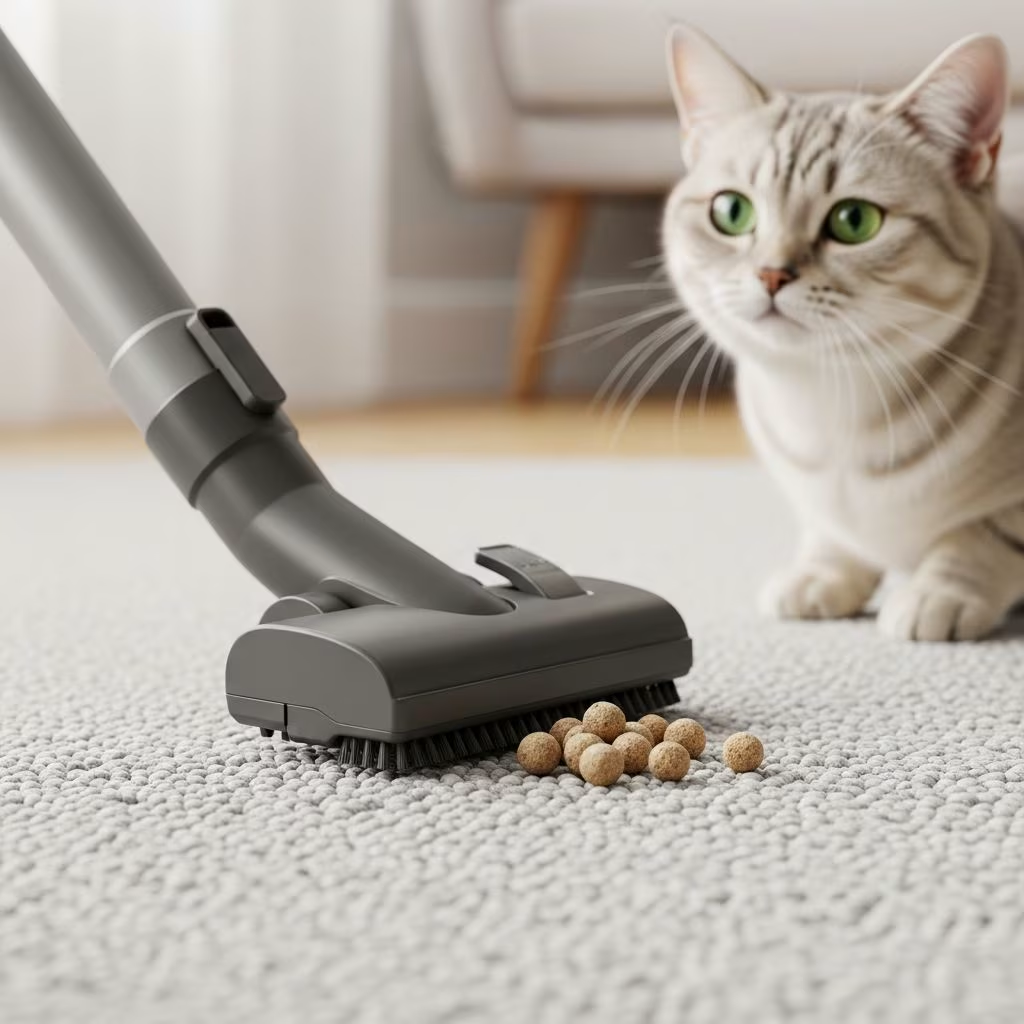
Is It Safe to Vacuum Cat Litter?
Many cat owners wonder whether they can simply vacuum up spilled cat litter to save time and effort. While it may seem convenient, the answer depends on several important factors related to your vacuum’s capabilities and the type of litter involved. Understanding these considerations is essential to protect your vacuum cleaner and ensure your home remains clean and hygienic.
Understanding the Risks to Your Vacuum
Vacuuming cat litter presents several significant challenges that can damage your household vacuum. The composition and condition of the litter matter tremendously when determining whether it’s safe to clean up with your standard vacuum cleaner.
Abrasive Particles and Internal Damage
Cat litter, particularly clay and silica-based varieties, contains sharp and abrasive particles that can scratch and wear down internal vacuum components. The hose, brushes, and filtration systems are especially vulnerable to this type of damage. When you vacuum these materials, the granules work similarly to sandpaper, gradually degrading the internal surfaces of your machine.
Filter Clogging Issues
Fine litter dust presents one of the most common problems when vacuuming cat litter. This fine debris easily clogs vacuum filters, reducing overall efficiency and airflow. When filters become clogged, the motor must work significantly harder to maintain suction, which can lead to overheating and potential motor failure. Regular exposure to fine litter dust accelerates filter deterioration and requires more frequent replacements.
Clumping and Blockage Problems
Cat litter frequently forms clumps when exposed to moisture from urine or environmental humidity. These clumps can become lodged in vacuum hoses and other internal passages, creating blockages that reduce suction power and efficiency. When clumped litter dries, it hardens into a concrete-like substance that can cause substantial damage to your vacuum’s motor and mechanical components. Attempting to vacuum hardened clumps is comparable to sucking up small rocks through your machine.
Moisture and Electrical Damage
Even litter that appears dry can retain moisture, which introduces water into your vacuum’s internal electrical components. This moisture promotes mold and bacterial growth inside the machine and can create serious electrical faults. The combination of moisture and dust creates an ideal environment for bacterial contamination, which can spread throughout your home every time you use the vacuum afterward.
When Can You Safely Vacuum Cat Litter?
Conditions for Safe Vacuuming
You can vacuum cat litter safely under specific circumstances. The most important factor is that the litter must be completely dry and unsoiled. Dry, non-clumping litter scattered around the box area presents significantly less risk than wet or clumped material. Additionally, your vacuum must be specifically designed to handle pet mess and fine debris.
Standard household vacuums struggle with the fine particles and density of cat litter, making them unsuitable for this cleaning task. A pet-friendly vacuum with strong suction power and sealed filtration is essential. Bagged vacuums are generally safer than bagless models because the bags can trap fine litter particles effectively, reducing the risk of clogging or internal damage.
Top 3 Tips on How to Vacuum Cat Litter Safely
1. Vacuum Dry Litter Only
The most crucial safety tip is to clean up only completely dry, unsoiled litter. Wet or soiled litter is most likely to clog filters and hoses. If you have a canister vacuum, wet litter will stick to the sides and become difficult to empty. Never attempt to vacuum clumps, even if they appear dry on the surface, as they often contain hidden moisture that can damage your machine.
2. Avoid Wet or Clumping Litter
Never vacuum wet or clumping litter, as this presents the highest risk to your vacuum. When clumped litter hardens, it can jam hoses and force the motor to work harder to maintain suction, potentially causing motor damage. Even “dry-looking” clumps can harbor moisture that promotes mold growth or electrical faults. To protect your machine, sweep or scoop up wet clumps first, then vacuum only dry, scattered bits that remain. This approach prevents costly repairs and keeps your vacuum running smoothly.
3. Use the Right Vacuum Equipment
Always use a vacuum specifically designed for pet cleaning or consider alternative cleaning methods. The best vacuum for cat litter pickup should prioritize strong suction power for effective collection and sealed filtration for capturing fine particles. A compact vacuum design allows you to reach areas where litter tends to accumulate. Shop vacuums or wet-dry vacuums are excellent alternatives for handling cat litter, as they can manage both dry and moist materials without sustaining damage.
Better Alternatives to Vacuuming
Sweeping and Scooping
The safest method for managing spilled cat litter is to sweep up scattered granules or scoop out clumps before considering any vacuuming. A broom and dustpan effectively collect larger pieces without introducing moisture or particles into your vacuum. This straightforward approach eliminates most of the litter, leaving only minimal residue for optional vacuuming.
Mopping for Residue
After sweeping, mopping can help clean up remaining litter dust and residue from your floors. A damp mop captures fine particles more effectively than vacuuming and prevents dust from becoming airborne. This method is particularly effective for tile, linoleum, or other hard flooring where litter particles concentrate.
Spot Cleaning
For small spills, targeted spot cleaning with a cloth or paper towels may be sufficient. This approach avoids exposing your vacuum to litter entirely while effectively containing the mess.
Can Vacuuming Cat Litter Damage Your Vacuum?
Yes, vacuuming cat litter can damage regular household vacuums. Sharp granules can scratch internal parts, fine dust can clog filters, and wet clumps may cause mold or motor issues. The cumulative damage from regular litter vacuuming can significantly shorten your vacuum’s lifespan. Using a vacuum with strong suction and a good filtration system on small batches of dry litter helps prevent damage, but alternative cleaning methods remain safer options.
Reducing Litter Spillage
The best approach to litter management involves preventing excessive spillage in the first place. Consider these strategies to minimize the mess:
- Use litter boxes with high sides or covers to contain loose granules
- Place litter mats underneath and around the litter box to catch spilled particles
- Choose litter brands known for lower tracking and dust production
- Position litter boxes on hard flooring rather than carpet when possible
- Keep litter boxes in designated areas away from main living spaces
- Maintain litter boxes with regular scooping to prevent spillage from full boxes
- Use litter boxes with entrance ramps that help shake loose granules from paws
Choosing the Right Vacuum for Pet Owners
If you do decide to vacuum cat litter occasionally, selecting the appropriate equipment matters significantly. Look for vacuums that offer:
- Strong suction power to effectively collect litter particles
- Sealed or HEPA filtration systems to capture fine dust
- Durable construction designed to withstand abrasive materials
- Easy-to-clean components for quick maintenance
- Bagged systems rather than bagless models for better dust containment
- Specialized pet hair and debris attachments
- Compact, lightweight designs for maneuverability
Health Considerations for Cat Owners
Beyond vacuum damage, there are health reasons to handle cat litter carefully. Cat feces and urine can contain harmful bacteria that vacuuming may spread throughout your home and inside your machine. This presents a potential health risk to your household. Proper disposal and cleaning methods reduce bacterial spread and protect your family’s wellbeing. Using sealed disposal methods and maintaining clean hands after handling litter are important hygiene practices.
Frequently Asked Questions
Q: Can I vacuum cat litter with any type of vacuum?
A: No, standard household vacuums are not recommended for cat litter. You should use a pet-specific vacuum with strong suction and sealed filtration, or consider a wet-dry shop vacuum instead.
Q: What type of cat litter is safest to vacuum?
A: Dry, clay-based or silica-based litter that hasn’t clumped is safest to vacuum. Non-clumping litter that remains completely dry presents the least risk to your machine.
Q: Is it ever safe to vacuum wet cat litter?
A: Standard vacuums should never be used on wet litter. Only shop vacs or wet-dry vacuums can safely handle moisture without risking electrical damage or mold growth.
Q: How often should I replace my vacuum filter if I vacuum cat litter?
A: If you regularly vacuum cat litter, you should check and replace filters more frequently than normal use would require. Fine litter dust clogs filters rapidly, potentially reducing your vacuum’s lifespan significantly.
Q: What’s the best alternative to vacuuming spilled cat litter?
A: Sweeping and scooping up litter first, followed by mopping, is the safest approach. This method prevents vacuum damage while effectively cleaning your floors and reducing bacterial spread.
Q: Can regular vacuuming of cat litter damage the motor?
A: Yes, regular vacuuming of cat litter can damage your vacuum’s motor. Clogs, fine dust reducing airflow, and moisture in the system force the motor to work harder, potentially causing overheating and failure.
Q: Are bagless or bagged vacuums better for handling cat litter?
A: Bagged vacuums are generally safer because bags effectively trap fine litter particles. This reduces clogging risks and makes disposal cleaner and more contained than bagless models.
Conclusion
While vacuuming cat litter is technically possible under the right circumstances, it presents significant risks to your vacuum cleaner and requires careful consideration. The safest approach involves preventing excessive spillage through proper litter box management and using alternative cleaning methods like sweeping and mopping. If you do choose to vacuum cat litter, ensure you have appropriate equipment designed for pet messes and only vacuum completely dry, unsoiled litter. Remember that protecting your vacuum’s longevity and your household’s health should take priority over convenience. By following these safety guidelines and choosing appropriate cleaning methods, you can maintain a clean home while protecting your valuable household equipment.
References
- Can You Vacuum Cat Litter Safely? — ECOVACS US. https://www.ecovacs.com/us/blog/can-you-vacuum-cat-litter
- Should You Vacuum Cat Litter? Clean Methods and Best Alternatives — Narwal. https://us.narwal.com/blogs/pet-friendly/vacuum-for-cat-litter
- Is It Safe to Vacuum Cat Litter? Facts & Cleaning Tips — Catster. https://www.catster.com/lifestyle/is-it-safe-to-vacuum-cat-litter/
- Can you vacuum litter: 4 cleaning tips for cat owners — Shark Clean. https://cleaning-hacks.sharkclean.co.uk/can-you-vacuum-cat-litter/



