

Is It Safe for Cats to Eat Moths? What You Need to Know
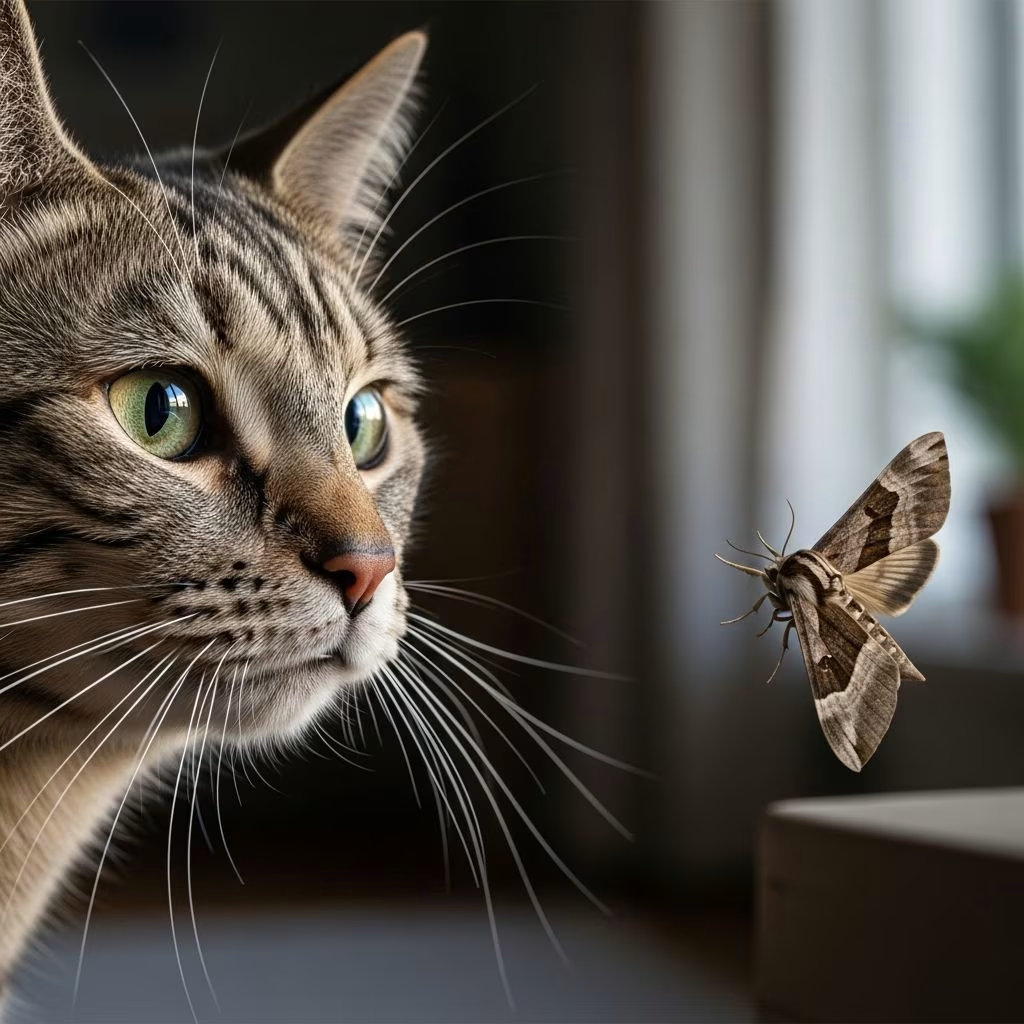
If you’ve ever watched your cat chase and pounce on a fluttering moth, you might wonder whether this hunting behavior is safe for your feline companion. As a cat owner, understanding what’s happening when your cat pursues these winged insects can help you determine when intervention is necessary and when you can simply enjoy the natural display of your pet’s hunting instincts. The short answer is that occasional moth consumption is generally safe for cats, but there are important considerations and potential risks you should be aware of to keep your beloved pet healthy and happy.
Why Do Cats Hunt and Eat Moths?
Cats are natural hunters with instincts deeply rooted in their evolutionary biology. When a moth flutters past, your cat’s predatory instincts activate automatically, triggering a cascade of behaviors that include stalking, pouncing, and eventually consuming their catch. Understanding these motivations can help you recognize that moth-eating is a completely normal feline behavior, even if it sometimes causes concern for pet owners.
The hunting behavior directed toward moths serves several important purposes for your cat:
- Natural instinct stimulation: Cats are instinctively drawn to small, fluttering creatures that mimic prey and stimulate their hunting skills, regardless of whether they’re indoor or outdoor cats.
- Physical exercise: Chasing and eating moths provides valuable physical activity, which is especially important for indoor cats that may not have other outlets for their energy.
- Mental enrichment: The hunting process engages your cat’s mind and provides mental stimulation that helps prevent boredom and associated behavioral issues.
- Environmental exploration: Young kittens often explore their environment by tasting and catching insects like moths to learn about their surroundings and develop their hunting capabilities.
- Attention-seeking behavior: Some cats may eat moths out of boredom or to seek attention from their owners when other forms of engagement aren’t available.
Are Moths Toxic to Cats?
One of the primary concerns for cat owners is whether moths contain toxins that could poison their pets. The good news is that most moths are not toxic to cats, and eating a few moths usually does not cause any harm. Generally speaking, moths themselves do not carry toxins that are specifically harmful to feline biology. However, the safety of moth consumption depends on several factors that extend beyond the insect itself.
The safety profile of moths for cats includes these important considerations:
- Most moths do not carry toxins harmful to cats, so occasional ingestion is unlikely to cause poisoning.
- Some moth species might have irritants or chemicals on their wings that could upset your cat’s stomach, particularly species that have evolved chemical defenses.
- A moth’s safety depends largely on its origin and what it may have been exposed to in the environment.
- The biggest risk isn’t the moth itself but rather what the moth may have encountered before your cat ate it.
Potential Health Risks from Eating Moths
While moths are generally safe, certain health risks can arise from your cat eating them, particularly when consumption becomes excessive or when moths have been exposed to harmful substances. Knowing these potential risks helps you act quickly if your cat shows any concerning symptoms after moth consumption.
Digestive Upset
One of the most common consequences of moth eating is gastrointestinal upset. Eating moths can sometimes cause mild to moderate digestive disruption, such as vomiting or diarrhea, especially if your cat eats many moths at once. The exoskeleton and wings of moths can be difficult for a cat’s digestive system to process, leading to temporary stomach discomfort. To keep your pets happy and healthy, you should consider limiting their moth consumption and ensuring they maintain a healthy and balanced diet appropriate to their life stage.
Choking and Intestinal Blockage
There is a genuine risk of choking or intestinal blockage if your cat swallows large moths or multiple insects in quick succession. Ingesting an excessive number of insects can lead to intestinal blockages, which can be quite dangerous and require immediate medical attention. Small insects like moths might pose a choking risk, especially for kittens that are still learning to eat properly and judge the size of prey they pursue. A blockage in the gastrointestinal tract can become a life-threatening emergency if not treated promptly by a veterinarian.
Allergic Reactions
Though uncommon, allergic reactions may occur if your cat is sensitive to moth scales or proteins. Just like humans, cats can have allergic reactions to various substances, including components of insects. Signs of an allergic reaction can include itching, swelling around the face or throat, or more severe symptoms like difficulty breathing. These reactions may occur immediately or develop over time with repeated exposure to moths.
Pesticide and Chemical Contamination
One of the most significant risks associated with moth eating is not from the moth itself but from what the moth may have been exposed to. Ingesting moths contaminated with pesticides or household chemicals can lead to poisoning or toxic reactions in your cat. If you use insecticides or pest control treatments in your home, moths may accumulate these substances on their bodies or in their tissues, making them dangerous for your cat to consume. This is particularly concerning in homes where chemical pest control is regularly used.
Parasites
Parasites carried by moths, though rare, could potentially infect your cat if the insect is a carrier. Parasites such as fleas and ticks can be transmitted through insect consumption, though moths themselves are not typical parasite vectors. The risk increases if moths have been in contact with infected animals or contaminated environments.
Respiratory Issues
In rare cases, repeated ingestion of moths might lead to respiratory problems, particularly if your cat is consuming large quantities daily. While these scenarios are uncommon as long as your cat isn’t eating ten moths a day, chronic moth consumption could potentially cause respiratory irritation, coughing, or difficulty breathing. If untreated, such respiratory problems could lead to serious complications including seizures, acute paralysis of the hind limbs, or chronic lung damage.
Signs Your Cat Has Had a Bad Reaction to Eating Moths
Monitoring your cat for any signs of distress following moth consumption is crucial for early detection of problems. If you notice any of the following symptoms after your cat has eaten moths, contact your veterinarian promptly for evaluation and professional advice:
- Digestive symptoms: Vomiting, diarrhea, loss of appetite, or unusual lethargy following moth ingestion.
- Allergic reaction indicators: Swelling around the face, throat, or paws; itching or skin irritation; difficulty breathing; or excessive drooling.
- Choking or airway obstruction: Choking, gagging, or coughing during or after eating moths, which may signal airway obstruction.
- Behavioral changes: Unusual lethargy, behavioral changes, or signs of pain or discomfort.
- Respiratory distress: Struggle to breathe, cough incessantly, or show signs of respiratory difficulty.
How to Manage Your Cat’s Moth-Eating Behavior
While it’s normal and natural for cats to chase and sometimes eat moths, you can take proactive steps to reduce this behavior and protect your cat’s health. Managing your cat’s environment and providing safe alternatives helps keep your cat happy and healthy while still allowing them to express natural hunting behaviors.
Environmental Management
- Prevent moth entry: Install window screens in good condition and seal cracks or gaps where moths might enter your home.
- Eliminate attractants: Regularly clean areas where moths gather, such as near lights or plants, to reduce insect presence indoors.
- Use safe pest control: Use pet-safe insect repellents and avoid pesticides that could harm your cat if ingested through consuming contaminated moths.
- Reduce outdoor time: Limit your cat’s exposure to outdoor environments where moth populations are typically higher.
Alternative Enrichment Activities
- Interactive toys: Provide plenty of toys and interactive playtime to satisfy your cat’s hunting instincts in safer ways.
- Prey-mimicking toys: Use toys that mimic prey movement, such as feather wands, laser pointers, or motorized toy mice.
- Regular play sessions: Establish consistent play routines that give your cat adequate physical exercise and mental stimulation.
- Puzzle feeders: Use puzzle feeders and treat-dispensing toys to engage your cat’s hunting and problem-solving skills during feeding time.
Diet Optimization
Most moth-eating is linked to your cat’s hunting instinct, but your choice of diet can significantly help reduce the behavior. Cats eat in response to a need for energy, so providing an energy-rich, high-protein diet can persuade them that hunting moths is unnecessary. As obligate carnivores, the perfect diet for a cat consists of animal protein, animal fat, and essential vitamins and minerals. A nutritionally complete and balanced diet that meets your cat’s specific life stage and health needs can reduce the compulsion to hunt and eat insects.
Frequently Asked Questions
Q: Can eating moths cause poisoning in cats?
A: Most moths are not poisonous by nature, but if they have been exposed to pesticides or chemicals, they could cause poisoning. Always monitor your cat and avoid using harmful insecticides indoors. If you suspect pesticide poisoning, contact your veterinarian immediately.
Q: Is it normal for indoor cats to eat moths?
A: Yes, indoor cats often chase and eat moths as part of their natural hunting behavior. It provides mental stimulation and exercise, but should be monitored to avoid health issues. This behavior is completely normal and expected in cats.
Q: What should I do if my cat ate a lot of moths?
A: If your cat has consumed many moths and shows signs of gastrointestinal upset, contact your veterinarian for guidance. Watch for symptoms like vomiting, diarrhea, lethargy, or difficulty breathing. Your vet may recommend monitoring or treatment depending on your cat’s symptoms.
Q: How can I prevent my cat from eating moths?
A: Keep your home free of moths by using screens, cleaning regularly, and providing toys that mimic prey to satisfy your cat’s hunting instincts safely. Additionally, optimize your cat’s diet to ensure adequate nutrition and reduce the hunting drive.
Q: Are some moths more dangerous than others?
A: While most moths are safe, some moth species have evolved chemical defenses that might cause stomach upset. Moths exposed to pesticides or other chemicals are more dangerous than wild, unexposed moths. If you use pest control in your home, try to keep moths away from treated areas.
Q: When should I call the vet about my cat eating moths?
A: Contact your veterinarian if your cat shows signs of vomiting, diarrhea, difficulty breathing, excessive drooling, swelling, choking, or any unusual behavior after eating moths. Prompt veterinary care can prevent complications from blockages or allergic reactions.
Conclusion
It’s completely normal for cats to chase and sometimes eat moths due to their hunting instincts. While moths are generally safe in small amounts, there are potential risks like digestive upset, allergic reactions, or exposure to toxins that you should be aware of as a responsible pet owner. By understanding why cats eat moths and how to manage this behavior effectively, you can protect your pet’s health while still allowing them to express their natural behaviors. Providing safe play alternatives, maintaining a moth-free environment, and ensuring proper nutrition helps keep your cat happy, healthy, and safe while satisfying their instinctive drive to hunt.
References
- Can Cats Eat Moths? Safety & Risks Explained — Zoorithm. 2024. https://www.zoorithm.com/cats/can-cat-eat-moth
- Can Cats Eat Moths? Vet-Verified Facts — Hustonveterinary.com. 2024. https://hustonveterinary.com/can-cats-eat-moths/
- Can cats eat moths or should you discourage them? — Untamed. 2024. https://untamed.com/blogs/nutrition/can-cats-eat-moths
- Can Cats Eat Insects? — Dr. Ruth Roberts. 2024. https://drruthroberts.com/blogs/pet-blog/can-cats-eat-insects
- My kitten just chased and caught a moth in our living room. Could it… — Dial a Vet. 2024. https://www.dialavet.com/vet-answers/post/kitten-ate-moth-77711



