

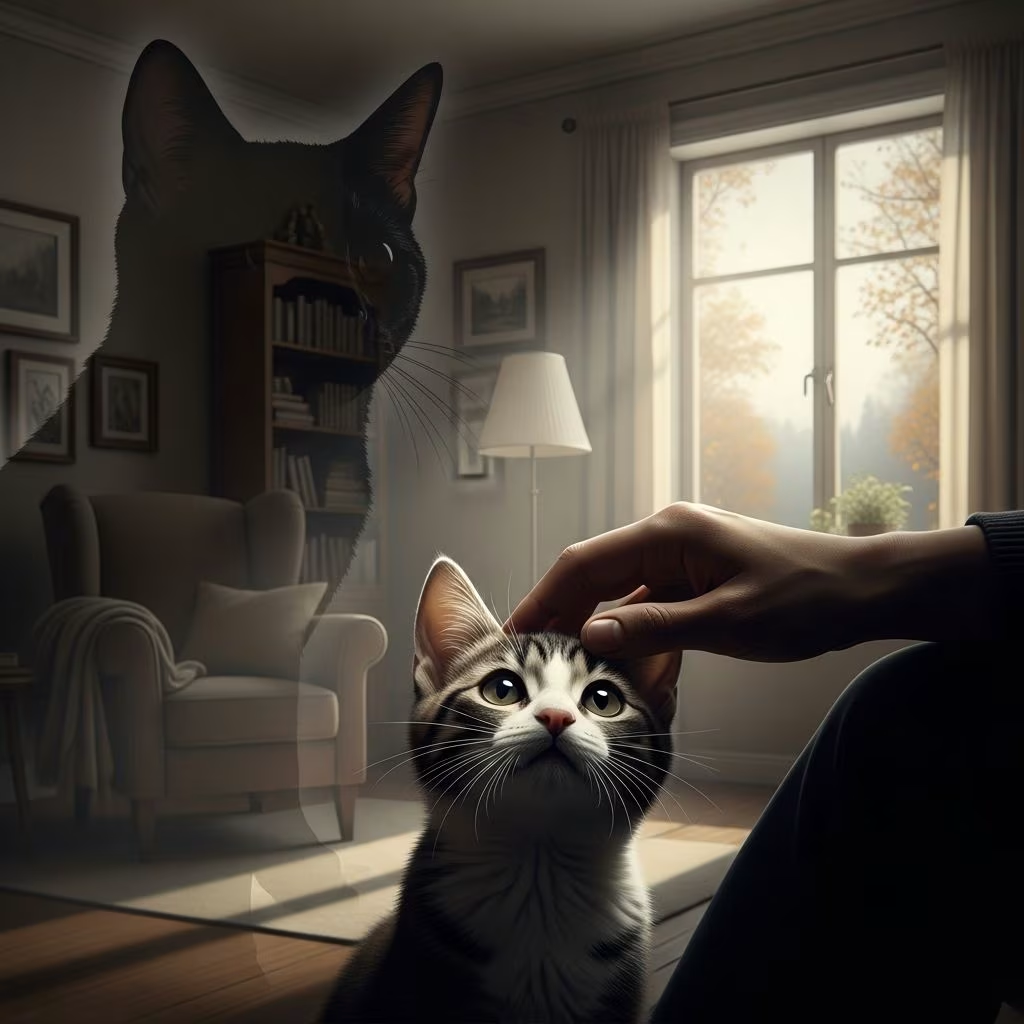
Losing a beloved cat leaves an irreplaceable void in your heart and home. The pain of grief can make everyday life feel empty, prompting many to wonder if adopting a new cat soon afterward dishonors the memory of the one lost. This article delves into the emotional complexities of pet bereavement, feline grief behaviors, optimal timelines for introducing a new companion, and strategies to support both you and any surviving cats during this challenging time.
Understanding Your Grief After Losing a Cat
Grief over a pet’s death mirrors the loss of a family member, often intensified by the daily companionship cats provide. Humans process this sorrow uniquely, with stages including denial, anger, bargaining, depression, and acceptance. There’s no fixed timeline—some feel ready to open their hearts to a new cat within weeks, while others need months or years.
Common emotions include profound sadness, guilt for considering a replacement, and even relief if the cat suffered from illness. It’s vital to validate these feelings without self-judgment. Rushing into adoption to fill the void can hinder healing, potentially leading to unfair comparisons between the new and old cat.
- Acknowledge your emotions: Journaling, talking to friends, or joining pet loss support groups helps process sorrow.
- Create memorials: Plant a tree, frame photos, or donate to shelters in your cat’s name to honor their memory.
- Seek professional help: Therapists specializing in pet grief can provide tools for coping.
Remember, loving a new cat doesn’t erase the bond with your departed one; hearts expand to hold multiple loves.
Do Cats Grieve the Loss of a Companion?
Cats form deep attachments, especially in bonded pairs or multi-cat homes. Surviving felines often exhibit grief signs, though subtler than human displays. Behaviors include lethargy, appetite loss, excessive vocalization, hiding, or increased clinginess.
Research shows cats notice absent companions, with bonded pairs experiencing pronounced distress. One study observed increased stress hormones and altered sleep patterns in grieving cats. These symptoms may appear immediately or delayed, lasting weeks to months.
| Grief Sign | Description | Duration |
|---|---|---|
| Appetite changes | Refusal to eat or overeating | 1-4 weeks |
| Lethargy | Reduced play and activity | 2-8 weeks |
| Vocalizing | Meowing or yowling more | Variable |
| Clinginess | Seeking more human attention | Until adjustment |
Monitor these closely; persistent issues warrant veterinary checks to rule out health problems mimicking grief.
Signs You’re Ready for a New Cat
Readiness varies, but key indicators signal emotional preparedness. You smile at cat photos without tears, feel excitement about meeting shelter cats, and can envision bonding without constant comparisons.
- Positive memories outweigh pain.
- Your home feels ready—litter boxes cleaned, toys stored away.
- Surviving cats show normal behaviors: eating, grooming, playing.
- You prioritize the new cat’s individuality, not as a ‘replacement.’
Experts advise waiting 2-4 months minimum, ideally longer, allowing full grieving. Rushing risks stress for all involved.
Signs Your Surviving Cat Is Ready for a New Companion
Observe your cat’s baseline return: consistent eating, grooming, using litter box normally, and resumed playfulness. Shifts in multi-cat dynamics post-loss—e.g., former harmony disrupted—need stabilization first.
For bonded pairs, grief hits harder; survivors may stop eating or become withdrawn. Give extra attention: brushing, play sessions, quiet cuddles. Introduce new cats gradually once stability returns.
How to Introduce a New Cat After Loss
Slow introductions prevent territorial conflicts. Start scent swapping via blankets, then visual barriers before full contact.
- Separate rooms for 1-2 weeks: food, litter, toys in each.
- Exchange scents daily.
- Supervised meetings with escape routes.
- Use pheromone diffusers like Feliway for calm.
- Monitor body language: tails up good, ears back bad.
Match personalities: calm adult for seniors, playful kitten for actives. Patience yields success rates over 80% with proper protocol.
Coping with Guilt When Adopting a New Cat
Guilt is common, feeling like betrayal. Reframe: adoption saves lives amid shelter overcrowding. Your late cat would want joy restored.
- Share stories of both cats equally.
- Use old items thoughtfully—new cat enjoys toys without erasure.
- Celebrate unique traits of each.
Support groups affirm: loving anew honors past love.
Special Considerations for Bonded Pairs
Bonded cats grieve intensely, showing distress like refusal to eat. Avoid immediate replacements; they seek familiar bonds. Wait until reassurance-seeking fades.
Tips: Increase one-on-one time, maintain routines, consider same-age/similar temperament for eventual intros. Some cats thrive solo post-loss.
Expert Advice on Timelines and Healing
Veterinarians and behaviorists like Yody Blass recommend 2-4+ months, emphasizing cat adjustment. Psychologists note no disrespect in timely adoption; it reflects capacity for love.
Heal via memorials, volunteering, or therapy. Foster temporarily to test readiness without commitment.
Frequently Asked Questions (FAQs)
Q: How soon can I get a new cat after my cat dies?
A: Wait 2-4 months or longer; ensure you and surviving cats have grieved fully.
Q: Do cats get sad when their companion dies?
A: Yes, signs include appetite loss and lethargy, especially in bonded pairs.
Q: Is it wrong to reuse my old cat’s things?
A: No, it comforts many and saves resources; most new cats adapt well.
Q: What if my surviving cat rejects the new one?
A: Use gradual intros; consult behaviorists if issues persist.
Q: Can I love a new cat as much?
A: Absolutely—hearts make room for new bonds without diminishing old ones.
Final Thoughts on Healing and New Beginnings
Pet loss hurts deeply, but readiness brings joy. Honor your cat by living fully, extending love to another deserving soul. Consult vets for personalized guidance.
References
- When To Get a New Cat After One Passes Away — Chewy. 2023. https://www.chewy.com/education/cat/general/when-should-i-bring-home-a-new-companion-for-my-grieving-cat
- When Should You Adopt A New Cat After Yours Dies? — Class Act Cats. 2023. https://classactcats.com/blog/adopting-a-new-cat-after-yours-dies/
- How to help a grieving cat — Blue Cross. 2024-01-14. https://www.bluecross.org.uk/advice/cat/how-to-help-a-grieving-cat
- Is it possible to love a cat again after losing one? — Your Cat Magazine. 2023. https://www.yourcat.co.uk/cat-advice/is-it-possible-to-love-a-cat-again-after-losing-one/
- Adopting a New Pet After Losing One — Psychology Today. 2023-07-20. https://www.psychologytoday.com/us/blog/fluent-in-fur/202307/adopting-a-new-pet-after-losing-one



