

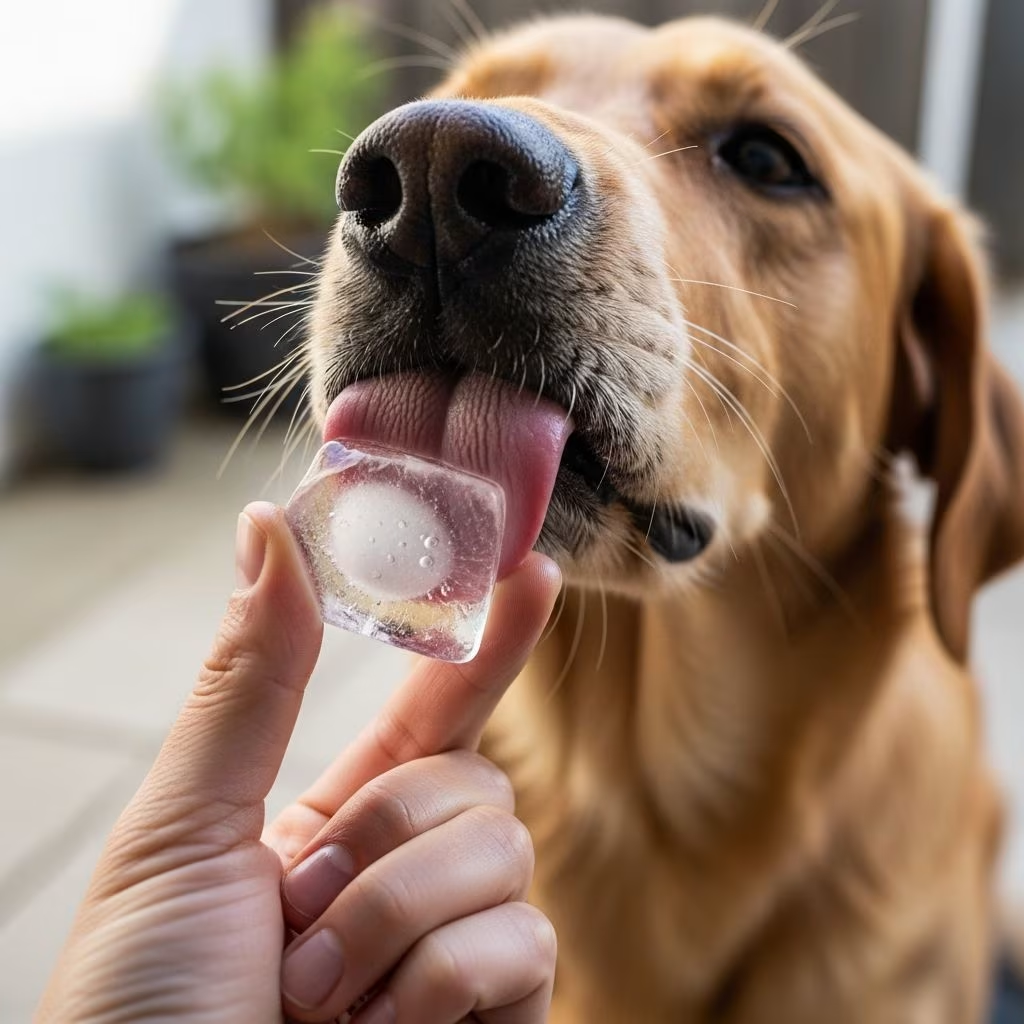
Feeding dogs ice cubes is a common practice, especially during hot weather, but many pet owners wonder if it’s truly safe. Generally, ice is safe for most dogs in moderation, providing hydration and cooling relief without harm. However, potential risks like tooth damage, choking, and digestive issues make caution essential. This comprehensive guide covers the benefits, dangers, safe practices, and answers to common questions, drawing from veterinary experts to help you decide what’s best for your furry friend.
Can Dogs Eat Ice Cubes Safely?
Dogs can safely eat ice cubes in most cases, as ice simply melts into water, which is vital for hydration. On hot days, ice helps dogs cool down by lowering body temperature through licking or chewing, mimicking natural cooling behaviors. Veterinary sources confirm that for healthy adult dogs with strong teeth, small amounts pose little threat.
That said, safety depends on factors like dog size, age, dental health, and consumption method. Puppies, senior dogs, or those with pre-existing dental problems face higher risks. Always supervise and start with small pieces to monitor reactions.
Benefits of Giving Dogs Ice
- Hydration boost: Ice encourages slower water intake, preventing gulping that leads to air swallowing.
- Cooling effect: Licking ice helps regulate body temperature during heatwaves, reducing heatstroke risk.
- Mental stimulation: Chasing or licking ice provides enrichment, especially for bored or anxious dogs.
- Low-calorie treat: Plain ice adds no calories, sugar, or fat, making it ideal for weight management.
Experts from the American Kennel Club note ice poses ‘little to no threat’ for healthy dogs, emphasizing its role in summer safety. Adding ice to water bowls keeps it chilled and appealing, promoting consistent drinking.
Potential Dangers and Risks of Feeding Dogs Ice
While beneficial, ice isn’t risk-free. Key concerns include dental damage, choking, and rare digestive issues. Understanding these helps mitigate harm.
Tooth Damage and Enamel Wear
Ice’s hardness can fracture teeth or erode enamel, especially in puppies with developing teeth or seniors with weakened structures. Chewy notes that repeated crunching leads to irreversible enamel loss, causing sensitivity, tartar buildup, and gum disease. MetLife Pet Insurance warns against ice for teething puppies, recommending softer frozen veggies instead.
- Fractures: Large cubes risk cracking molars.
- Enamel erosion: Chronic chewing mimics human ice-chewing dangers.
Choking Hazard
Slippery ice can slip down the throat unchewed, particularly for small breeds or gulpers. Veterinary advice stresses smaller cubes or crushed ice to reduce airway blockage. If choking occurs, perform pet Heimlich or seek emergency care immediately.
Bloat (GDV) Myth and Reality
A viral 2010 blog claimed ice water caused bloat, but no evidence supports this. Bloat (gastric dilatation-volvulus) stems from rapid eating/drinking or air gulping, not temperature. Deep-chested breeds like Great Danes are prone regardless. Ice may indirectly contribute if it prompts excessive gulping.
Other Risks
- Temperature shock: Massive amounts might cause vasoconstriction in heatstroke cases, worsening cooling efforts—use lukewarm water instead.
- Contaminated ice: Outdoor ice may contain antifreeze, salts, or chemicals toxic to dogs.
- Digestive upset: Overindulgence can cause mild stomach issues, though ice digests like water.
Safe Ways to Give Your Dog Ice
To maximize benefits and minimize risks, follow these vet-recommended guidelines:
| Dog Profile | Recommended Ice Type | Portion Tips |
|---|---|---|
| Small breeds/puppies | Crushed or tiny shavings | 1-2 small pieces, supervised |
| Adult medium/large | Small cubes | Handful daily in summer |
| Seniors/dental issues | Lickable ice in bowl | Avoid chewing; consult vet |
- Supervise always, especially first times.
- Offer plain water ice—no flavors or additives.
- Combine with frozen treats like blueberries or carrots for safer crunching.
- Monitor for pain, reluctance to eat, vomiting, or lethargy post-ice.
For heat relief, wet coats with cool water and provide shade over ice alone.
Frozen Treat Alternatives for Dogs
If ice risks concern you, try these vet-approved options:
- Vegetables: Frozen green beans, carrots, or snap peas for teething relief.
- Fruits: Seedless watermelon chunks, blueberries—hydrating and antioxidant-rich.
- Broths: Low-sodium chicken broth frozen in molds.
- Yogurt pops: Plain, dog-safe yogurt (lactose-free) blended and frozen.
- Kongs: Stuff with peanut butter (xylitol-free), freeze for long-lasting fun.
These provide similar cooling and stimulation without hardness risks.
When to See a Vet After Your Dog Eats Ice
Most incidents resolve harmlessly, but watch for:
- Mouth pain, drooling, or pawing at face (dental fracture).
- Coughing, gagging, or breathing distress (choking).
- Vomiting, diarrhea, bloating, or lethargy (digestive/bloat).
- Refusal to eat or blood in mouth.
Seek immediate care for suspected bloat or choking. Routine dental checks prevent issues.
Frequently Asked Questions (FAQs)
Can dogs eat ice outside?
Dogs can eat outdoor ice if clean, but avoid urban areas with road salts or antifreeze, which are toxic.
Can ice cause bloat in dogs?
No direct link; bloat relates to gulping air/water, not ice temperature.
Can dogs digest ice?
Yes, it melts into water harmlessly.
Can dogs eat ice in their water?
Absolutely—keeps water cool and entices drinking.
Can dogs eat ice cream?
No, due to lactose intolerance causing diarrhea; plain ice only.
Is ice bad for puppies?
Riskier due to soft teeth—opt for softer frozen foods.
Conclusion: Ice in Moderation is Key
Ice offers safe, refreshing fun for dogs when given thoughtfully. Prioritize small portions, supervision, and your dog’s health profile to avoid pitfalls. Consult your vet for personalized advice, ensuring cool, happy summers ahead.
References
- Can Dogs Eat Ice? Are Ice Cubes And Ice Water Dangerous? — Chewy. 2023. https://www.chewy.com/education/dog/food-and-nutrition/can-dogs-eat-ice
- Can Dogs Eat Ice? — Animal Family Veterinary Care Center. 2023. https://animalfamilyveterinarycare.com/blog/can-dogs-eat-ice/
- Are Ice Cubes Bad for Dogs’ Teeth? — MetLife Pet Insurance. 2023. https://www.metlifepetinsurance.com/blog/pet-health/are-ice-cubes-bad-for-dogs/
- Are Ice Cubes OK for Dogs To Chew or Lick? — Rover.com. 2023. https://www.rover.com/blog/can-my-dog-eat-ice/
- Can Dogs Eat Ice? — PetMD. 2023. https://www.petmd.com/dog/general-health/ice-bad-dogs
- Can my dog eat ice cubes? — The Kennel Club. 2023. https://www.royalkennelclub.com/health-and-dog-care/health-dog-care/health/health-and-care/a-z-of-health-and-care-issues/can-my-dog-eat-ice-cubes/
- Can Dogs Have Ice Cubes? — American Kennel Club (AKC). 2023. https://www.akc.org/expert-advice/advice/ice-cubes-for-dogs/



