

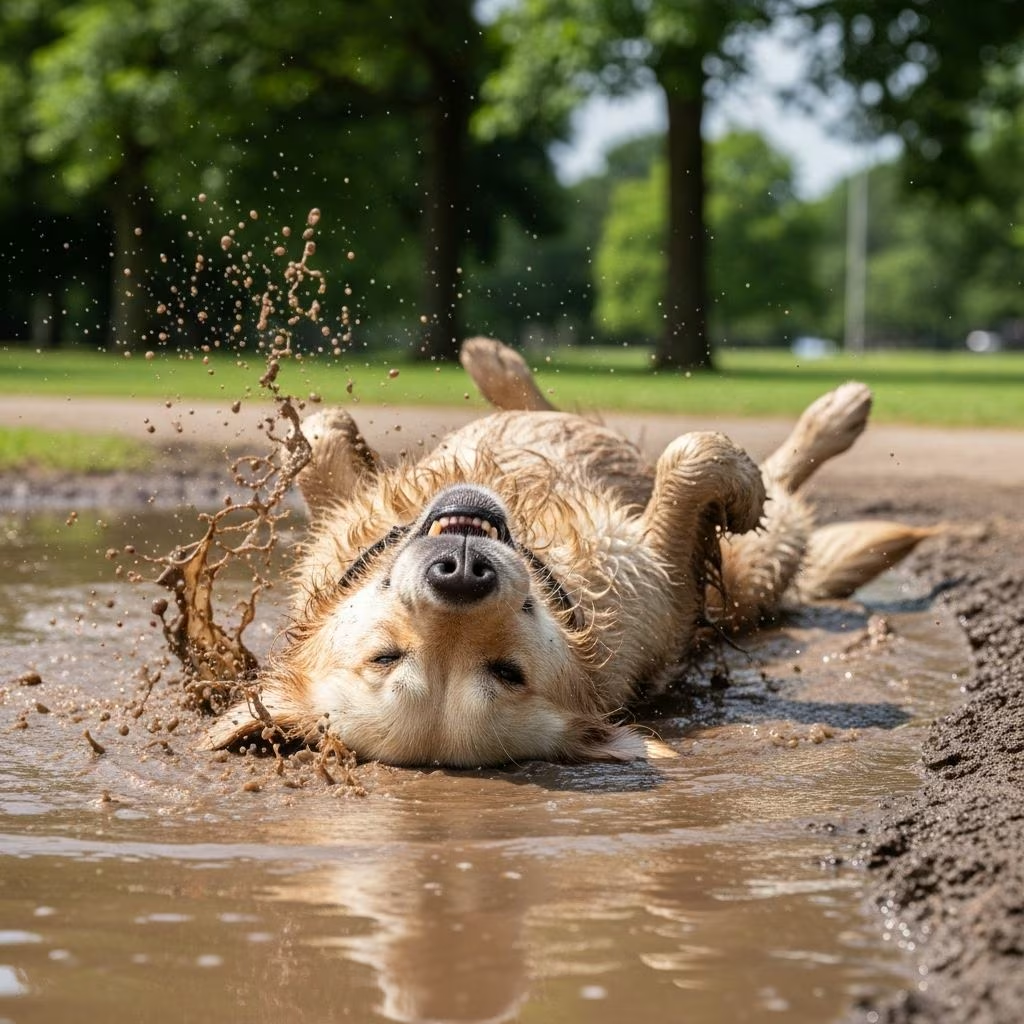
Dogs rolling in mud is a classic sight that brings joy to many pet owners, but it raises a key question: is it truly bad for their health? While this playful behavior taps into natural instincts, it can expose dogs to bacteria, parasites, and injuries lurking in muddy terrain. This comprehensive guide examines why dogs love mud, the potential dangers from diseases like leptospirosis and Alabama rot, practical prevention strategies, cleanup methods, and when to consult a vet, helping you balance fun with safety.
Why Do Dogs Roll in Mud?
Dogs have been rolling in mud and dirt for centuries, a behavior rooted in their wild ancestry. This isn’t just random mischief; it serves several instinctual purposes that make mud irresistible to our canine companions.
Temperature Regulation
On hot days, dogs struggle to cool down since they primarily pant and use paw pads for heat exchange rather than sweating like humans. Rolling in cool, wet mud provides quick relief by lowering body temperature through evaporation and contact with the earth. This natural cooling method mimics how wild canids avoid overheating during hunts or play.
Scent Disguise and Communication
From their wolf ancestors, dogs inherited the urge to mask their scent. In the wild, covering their natural odor with mud or stronger smells helped evade predators or sneak up on prey. Today, domesticated dogs may roll in mud to communicate with other dogs by sharing environmental scents, effectively saying, “I’ve been here exploring!” This scent-rolling persists as an innate drive.
Skin Soothing and Itch Relief
Mud acts like a natural exfoliant for dogs with itchy skin from allergies, fleas, or irritations. The cool, moist texture offers temporary relief, scratching hard-to-reach spots. However, excessive rolling could signal underlying issues like allergies or parasites, warranting a vet check.
Pure Fun and Stimulation
Sometimes, it’s simply exhilarating. Splashing, digging, and sliding in mud engages all senses, providing mental and physical enrichment. The slippery texture and novel sensations make it an unbeatable playground for energetic pups.
- Key Insight: Mud rolling is normal and healthy in moderation, fulfilling evolutionary needs for cooling, camouflage, relief, and joy.
- Breeds like Labradors, retrievers, and hounds are especially prone due to their working heritage and love for water and dirt.
The Risks of Dogs Rolling in Mud
While fun, mud harbors hidden threats. Contaminated soil and water can transmit serious diseases, injuries, and irritations. Understanding these risks is crucial for informed pet parenting.
Serious Diseases from Muddy Exposure
Mud, especially in stagnant puddles, woodlands, or areas with animal waste, can carry pathogens. Here’s a breakdown of key concerns:
| Disease | Cause | Symptoms | Prevention |
|---|---|---|---|
| Leptospirosis | Leptospira bacteria in urine-contaminated water/soil | Fever, vomiting, kidney/liver failure; zoonotic (affects humans) | Core vaccine (BSAVA recommended); avoid stagnant water |
| Alabama Rot (CRGV) | Unknown, linked to woodland mud | Skin ulcers on legs/paws, kidney injury | Monitor walks Nov-May; rinse after muddy exposure |
| Tetanus | Clostridium tetani toxin in soil via wounds | Muscle spasms, rigidity | Clean wounds promptly; dogs relatively resistant |
Other Common Hazards
- Parasites: Roundworms, hookworms, fleas, ticks, or sarcoptic mange mites from contaminated mud or dead animals.
- Injuries: Hidden glass, sharp stones causing cuts; eye ulcers from grit.
- Chemical Exposure: Pesticides or ivermectin from livestock manure leading to poisoning or skin irritation.
- Infections: Parvovirus persisting in shaded mud; hot spots from trapped moisture.
- Stuck in Mud: Tidal or quicksand-like areas pose drowning risks to dogs and rescuers.
These risks are generally low with precautions, but unvaccinated or immunocompromised dogs face higher dangers.
How to Safely Let Your Dog Enjoy Mud
You don’t have to ban mud play entirely. Follow these strategies to minimize risks while allowing fun:
- Vaccinate Fully: Ensure leptospirosis vaccine is up-to-date; discuss others with your vet.
- Choose Safe Spots: Opt for clean parks over woodlands, stagnant ponds, or farms. Avoid post-rain muddy areas with livestock.
- Supervise Closely: Watch for sharp objects, excessive rolling signaling itchiness, or getting stuck.
- Rinse Immediately: Hose off mud to prevent skin issues; dry thoroughly to avoid hot spots.
- Use Protection: Dog booties for sensitive paws; flea/tick preventives year-round.
Cleaning Up After Muddy Adventures
Mud messes are inevitable, but pro techniques keep your home clean and dog comfy.
- Outdoor Rinse: Use lukewarm water and dog-safe shampoo; focus on paws, belly, and ears.
- Dry Thoroughly: Towel dry, then air dry or low-heat blow dry to prevent chills or hotspots.
- Indoor Tools: Pet wipes for quick touch-ups; cornstarch for drying muddy paws before entering.
- Prevent Future Mess: Designate a mud room or use belly bands/towels at the door.
Pro Tip: Bathe only when necessary to preserve natural oils; overbathing dries skin.
When to See a Vet After Mud Play
Monitor for these red flags post-mud romp:
- Lethargy, vomiting, or diarrhea (leptospirosis/parvovirus).
- Skin ulcers, swelling, or excessive itching (Alabama rot, mange, allergies).
- Lameness, spasms, or wounds not healing (tetanus, injuries).
- Eye redness, squinting, or discharge (ulcers).
Seek immediate care if symptoms appear, especially in high-risk areas. Early intervention saves lives.
Frequently Asked Questions (FAQs)
Is mud toxic to dogs?
Not inherently, but contaminated mud can carry bacteria like Leptospira or toxins from pesticides/manure. Risks are low with vaccines and rinsing.
Why does my clean dog roll in mud right after a bath?
Instinct to reclaim natural scent; use unscented shampoos to reduce this.
Can mud cause skin infections in dogs?
Yes, trapped moisture leads to hot spots or bacterial growth; always dry fully.
Is Alabama rot common?
Rare, but rising in UK woodlands; rinse paws after walks.
How often should I let my dog play in mud?
In moderation, with precautions; daily short sessions in safe areas are fine for most healthy dogs.
References
- Is mud dangerous for dogs? — Vet Help Direct. 2023-05-29. https://vethelpdirect.com/vetblog/2023/05/29/is-mud-dangerous-for-dogs/
- Why Do Dogs Love Mud? (And How to Handle Clean Up Like a Pro) — OVRS. N/A. https://www.ovrs.com/blog/why-do-dogs-love-mud-and-how-to-handle-clean-up-like-a-pro/
- Why Do Dogs Roll in The Dirt? — PetArmor. N/A. https://petarmor.com/blogs/pet-health/why-do-dogs-roll-in-the-dirt
- Why Dogs Roll in the Grass — Rover.com. N/A. https://www.rover.com/blog/why-dogs-roll-in-the-grass/
- Rolling Dogs Can Become Infected with Sarcoptic Mange — PetVet1. N/A. https://www.petvet1.com/resources/article-reprints/rolling-dogs-can-become-infected-with-sarcoptic-mange/
- The Hidden Dangers of Pesticides in Mud and Your Dog’s Sensitive Paws — Years.com. N/A. https://www.years.com/blogs/lifestyle/the-hidden-dangers-of-pesticides-in-mud-and-your-dogs-sensitive-paws



