

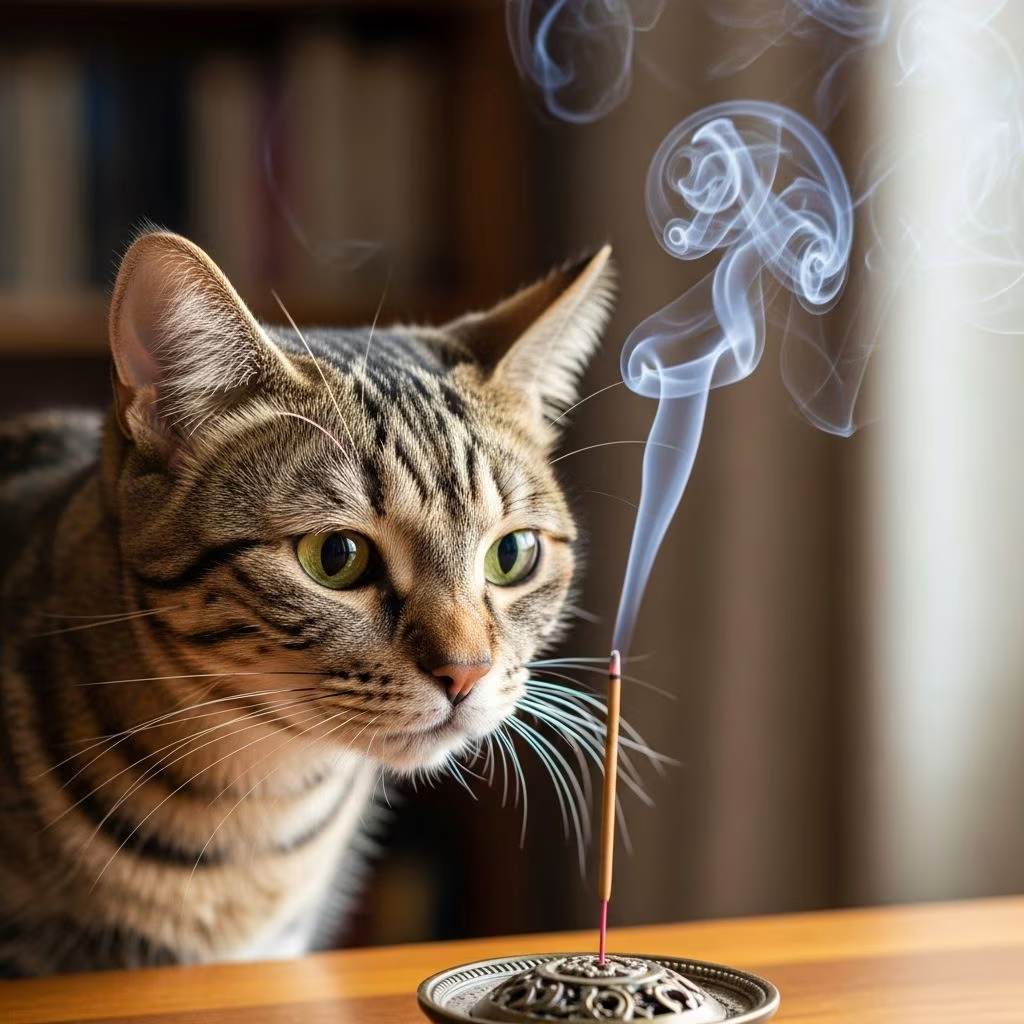
Incense is popular for creating relaxing atmospheres, spiritual practices, and masking odors, but its safety around cats is a major concern. The smoke and chemicals from burning incense can irritate cats’ sensitive respiratory systems, potentially leading to serious health issues like asthma, bronchitis, and toxicity. While natural incense might seem safer, many essential oils and particulates remain harmful. This comprehensive guide examines the risks, symptoms, safer alternatives, and expert recommendations to help cat owners make informed decisions.
Quick Answer: Is Incense Safe for Cats?
No, incense is generally not safe for cats. The smoke contains fine particulates (PM2.5) and volatile organic compounds that irritate narrow feline airways, trigger respiratory distress, and expose cats to toxins, especially from synthetic or essential oil-based varieties. Cats with pre-existing conditions face heightened risks.
Why Is Incense Dangerous for Cats?
Cats have narrower respiratory passages than humans, relying heavily on nasal breathing, making them highly susceptible to airborne irritants. Incense smoke generates ultrafine particles and chemicals that deposit deeply in lungs, causing inflammation and oxidative stress. Studies show incense smoke rivals or exceeds cigarette smoke in particulate toxicity, leading to chronic cough, reduced lung function, and exacerbated conditions like asthma.
- Smoke Particulates: PM2.5 from incense penetrates deep into lungs, causing inflammation similar to secondhand smoke exposure.
- Chemical Emissions: Synthetic incense releases petroleum derivatives, formaldehyde, and benzene—known carcinogens and irritants.
- Essential Oils: Even ‘natural’ incense often includes toxic oils like tea tree, peppermint, cinnamon, and eucalyptus, which cats cannot metabolize due to lacking certain liver enzymes.
How Does Incense Affect Cats’ Respiratory Systems?
Feline lungs and airways are delicate, with less efficient clearance mechanisms than humans. Incense smoke triggers immediate irritation and long-term damage:
- Acute Effects: Coughing, wheezing, sneezing, eye/nose watering, and labored breathing from particulate irritation.
- Chronic Exposure: Increased asthma/bronchitis risk, alveolar damage, neutrophil infiltration, and oxidative stress, as seen in rat studies mimicking incense exposure.
- Vulnerable Cats: Kittens, seniors, or those with asthma/respiratory infections suffer worsened symptoms like frothy mucus, lethargy, and breathlessness.
Research on temple workers and animal models links incense to cardiovascular strain via PM2.5, reduced heart-rate variability, and cognitive impacts—effects likely amplified in smaller pets.
Specific Health Risks of Incense for Cats
Respiratory Problems
The primary danger is respiratory distress. Smoke triggers bronchoconstriction, leading to asthma attacks in predisposed cats. A study found chronic cough more prevalent in incense-exposed groups, with lung tissues showing morphological changes and inflammation. Cats may exhibit open-mouth breathing, cyanosis, or collapse in severe cases.
Eye, Nose, and Throat Irritation
Tiny particulates from charcoal-dipped sticks cause conjunctivitis, rhinitis, and throat swelling. Strong fragrances exacerbate tearing and nasal discharge.
Toxicity from Ingredients
Petroleum-based incense emits VOCs causing systemic poisoning. Essential oils like wintergreen, bergamot, ylang-ylang, and pennyroyal lead to hypersalivation, ataxia, tremors, or liver failure. Cats groom inhaled residues, ingesting toxins.
| Incense Type | Risks for Cats | Examples |
|---|---|---|
| Synthetic Sticks/Cones | High PM2.5, VOCs, petroleum toxins | Charcoal-dipped, artificially fragranced |
| Essential Oil-Based | Toxicity from phenols/terpenes | Tea tree, peppermint, cinnamon |
| Natural/Resin | Lower risk but still irritating smoke | Frankincense, cedarwood (if pet-safe) |
Signs Your Cat Is Affected by Incense Smoke
Monitor for these symptoms post-exposure:
- Coughing, wheezing, or rapid/shallow breathing
- Sneezing, nasal discharge, or eye redness
- Lethargy, loss of appetite, or hiding
- Pawing at face, excessive grooming, or drooling
- In severe cases: vomiting, tremors, or seizures
If observed, ventilate the area, provide fresh air, and consult a vet immediately. Chronic signs warrant diagnostics like chest X-rays.
Are There Any Types of Incense Safe for Cats?
Truly safe incense is rare, but minimally risky options exist:
- Natural, Unscented: Resin or wood-based with no added oils; burns cleaner with subtle scent.
- Pet-Friendly Fragrances: Cedarwood, frankincense, marjoram, clary sage—in moderation and vetted by vets.
- Avoid: Anything with synthetic fragrances, charcoal bases, or toxic oils.
Even ‘safe’ types produce smoke—best used sparingly in well-ventilated spaces away from cats.
How to Use Incense Safely Around Cats (If You Must)
Minimize risks with these precautions:
- Burn in a separate, well-ventilated room with open windows and fans.
- Keep incense elevated, out of paw reach to prevent burns/knocks.
- Limit sessions to 15-30 minutes; extinguish fully.
- Observe your cat—remove if distressed (e.g., sneezing, avoidance).
- Provide escape routes; never confine cats to smoky areas.
Air purifiers with HEPA filters help capture particulates.
Better Alternatives to Incense for Cat Owners
Opt for non-burning options to avoid smoke entirely:
- Essential Oil Diffusers: Ultrasonic (cold) diffusers with cat-safe oils like lavender (diluted); avoid heat-based.
- Herbal Sachets: Dried pet-safe herbs (chamomile, valerian) in fabric bags.
- Room Sprays: Natural, alcohol-free sprays with minimal oils.
- Ventilation & Cleaning: Fans, baking soda, or vet-approved air fresheners.
- Beeswax Candles: Minimal soot, but still risky—use sparingly.
What If My Cat Has Been Exposed to Incense Smoke?
Immediate steps:
- Move to fresh air; avoid further exposure.
- Wipe eyes/nose with damp cloth; offer water.
- Monitor 24-48 hours; seek vet for persistent symptoms.
- Diagnostics may include bloodwork for toxins or oxygen therapy.
FAQs
Is all incense toxic to cats?
Not all, but most are risky due to smoke and ingredients. Stick to natural, unscented resin in ventilated areas.
Can incense cause asthma in cats?
Yes, smoke irritants trigger or worsen feline asthma, causing wheezing and distress.
Is natural incense okay for cats?
Safer than synthetic, but smoke remains an irritant. Use minimally and monitor.
Should I burn candles instead of incense around cats?
No—candles pose fire risks and emit similar toxins/VOCs. Avoid both.
How long does incense smoke linger?
Up to hours without ventilation; particulates settle but can resuspend.
Conclusion
While incense enhances ambiance, its risks to cats—respiratory damage, irritation, and toxicity—outweigh benefits. Prioritize your cat’s health by avoiding it or using strict precautions and alternatives. Consult your vet for personalized advice, especially for sensitive cats. A smoke-free home ensures your feline thrives.
References
- Is Incense Bad for Cats? Risks, Safety Tips, and Alternatives — Basepaws. 2023. https://basepaws.com/blog/is-incense-bad-for-cats
- Is Burning Incense Bad for Cats? — Cats.com. 2023. https://cats.com/is-burning-incense-bad-for-cats
- Health and Environmental Risks of Incense Smoke — PubMed Central (PMC). 2022-04-29. https://pmc.ncbi.nlm.nih.gov/articles/PMC9058426/
- Is Incense Safe for Pets? 7 Important Considerations — IncenseSticks.com. 2023. https://incensesticks.com/blogs/news/is-incense-safe-for-pets-7-important-considerations



