

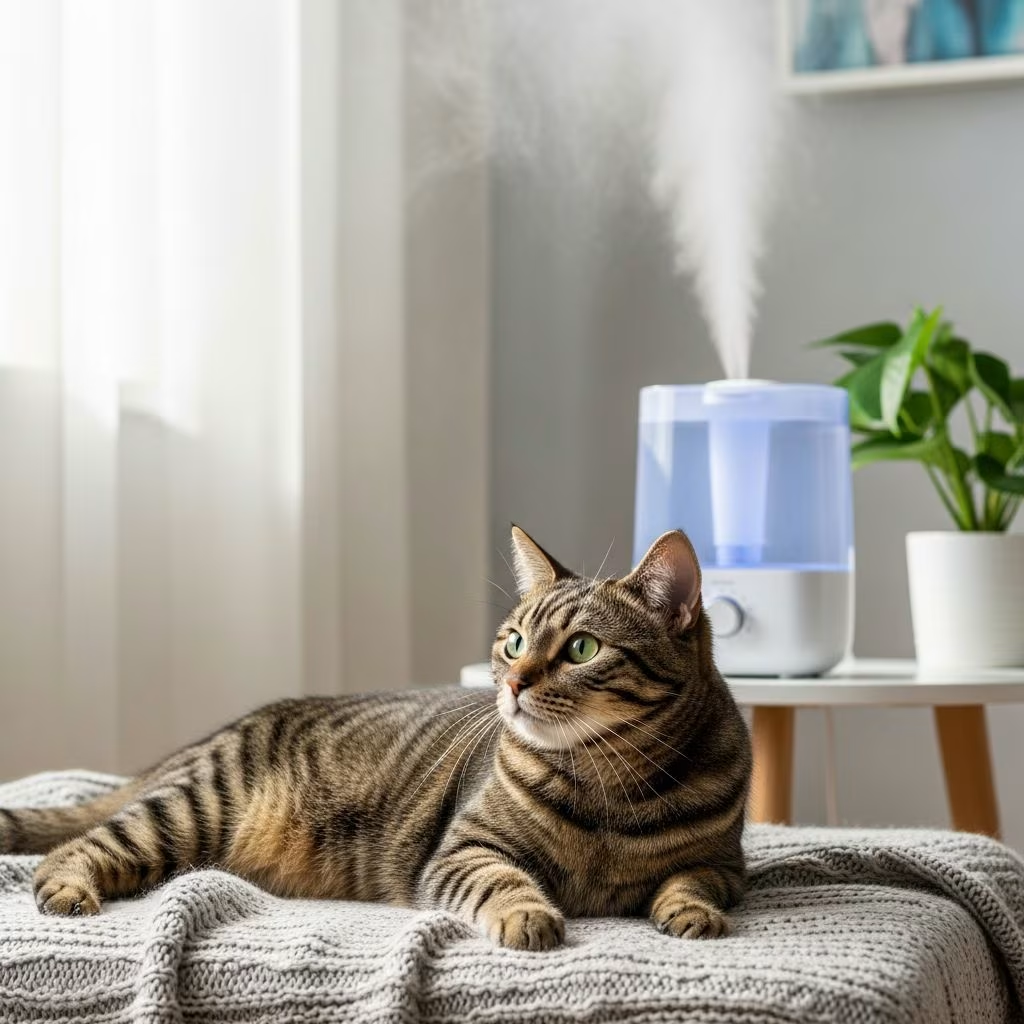
Humidifiers add moisture to dry indoor air, which can benefit cats by alleviating respiratory issues and improving skin and coat health. When used correctly with a cool-mist model, regular cleaning, and no essential oils, humidifiers are generally safe for cats.
Quick Answer: Are Humidifiers Safe for Cats?
Yes, humidifiers are safe for cats if you select a cool-mist ultrasonic or evaporative model, place it out of reach, clean it frequently to prevent bacterial growth, and avoid adding any essential oils or fragrances, which can be toxic.
What Is a Humidifier?
A humidifier is a device that increases humidity levels in indoor environments by dispersing water vapor into the air. Ideal indoor humidity for both humans and cats ranges from 30% to 50%, as recommended by health authorities, helping prevent dryness in airways, skin, and eyes.
During winter or in arid climates, central heating and air conditioning often reduce humidity below comfortable levels, leading to discomfort for pets. Humidifiers counteract this by releasing fine mist or vapor, either through evaporation, ultrasonics, or steam.
Benefits of Using a Humidifier for Cats
Humidifiers offer several health advantages for cats, particularly in dry conditions:
- Respiratory Relief: Moist air opens nasal passages, eases breathing for cats with colds, allergies, asthma, or bronchitis. Veterinarians often recommend them for feline upper respiratory infections.
- Skin and Coat Improvement: Dry air causes flaky skin and dull coats; added humidity restores moisture, reducing itchiness and promoting a glossy coat.
- Comfortable Environment: Cats feel more relaxed in balanced humidity, potentially decreasing stress-related behaviors.
- Eye Health: Prevents dry, irritated eyes common in low-humidity homes.
Place the humidifier in your cat’s favorite room for noticeable improvements in days.
Risks and Dangers of Humidifiers for Cats
While beneficial, improper use poses risks:
- Burns from Warm-Mist Models: These boil water to create steam, risking scalds if curious cats knock them over.
- Bacterial and Mold Growth: Stagnant water breeds bacteria and mold, which can cause respiratory infections or pneumonia when inhaled.
- Mineral Dust from Tap Water: Releases white dust, irritating airways; use distilled water instead.
- Cord Chewing and Tipping: Cats may chew cords or knock over accessible units.
Types of Humidifiers: Which Are Safe for Cats?
Not all humidifiers suit cat households. Here’s a comparison:
| Type | How It Works | Safe for Cats? | Pros | Cons |
|---|---|---|---|---|
| Warm-Mist (Steam) | Boils water | No | Kills bacteria with heat | Burn risk if tipped |
| Cool-Mist Evaporative | Fan blows air over wet wick | Yes | Low energy, no burn risk | Requires wick replacement |
| Ultrasonic Cool-Mist | Vibrates water into mist | Yes (preferred) | Quiet, energy-efficient, no heat | May disperse minerals if not using distilled water |
Recommendation: Choose ultrasonic cool-mist for quiet operation and safety around playful cats.
Are Essential Oils Safe in Humidifiers for Cats?
No, essential oils are generally unsafe for cats in humidifiers. Cats lack enzymes to metabolize compounds like phenols and monoterpenes, leading to liver buildup, toxicity symptoms including drooling, vomiting, diarrhea, difficulty walking, low body temperature, or seizures.
Toxic oils include:
- Cinnamon
- Citrus (lemon, orange)
- Eucalyptus
- Peppermint
- Pine
- Tea tree
- Wintergreen
- Ylang-ylang
Cats’ sensitive noses (14 times stronger than humans) make even diluted scents overwhelming. Grooming exposes them to skin-contacted oils. ASPCA advises minimal use in ventilated areas cats can’t access, but avoidance is best, especially for respiratory-issue cats.
Safety Tips for Using Humidifiers Around Cats
Follow these guidelines for safe use:
- Elevate Placement: Put on high shelves or stable surfaces cats can’t reach or climb to.
- Use Distilled Water: Prevents mineral buildup and bacterial growth.
- Clean Regularly: Disinfect weekly per manufacturer instructions with pet-safe solutions to avoid ‘humidifier lung’ from bacteria.
- Choose Wide-Base Models: Reduces tipping risk.
- Monitor Humidity: Keep at 30-50%; use a hygrometer.
- No Additives: Plain water only.
- Ventilate: Open windows periodically for fresh air.
- Supervise Initially: Watch for curiosity-driven interactions.
How to Clean a Humidifier for Cat Safety
Proper maintenance prevents health hazards:
- Unplug and empty water.
- Wash tank/base with dish soap and warm water.
- Disinfect with 3% hydrogen peroxide or white vinegar (rinse thoroughly).
- Soak 20-30 minutes, scrub biofilm.
- Rinse, dry completely before refilling.
- Replace filters/wicks as recommended.
- Deep clean weekly; daily rinse for heavy use.
Avoid bleach near cats. Clean more often in humidifier-heavy rooms.
When to Use a Humidifier for Your Cat
Use during:
- Dry seasons (winter/heating).
- Arid regions.
- Cat shows signs: sneezing, coughing, dry nose/skin, watery eyes, dull coat.
- Post-illness recovery for respiratory support.
Consult a vet if symptoms persist.
Frequently Asked Questions (FAQs)
Will a humidifier help my cat breathe easier?
Yes, a fragrance-free cool-mist humidifier can moisten airways, aiding cats with allergies, infections, or asthma. Keep out of reach.
Are scented humidifiers safe for cats?
No, scents and essential oils can irritate or poison cats. Use plain distilled water.
Can humidifiers cause pneumonia in cats?
Yes, if uncleaned, bacteria/mold dispersal can lead to infections. Regular cleaning prevents this.
Is warm mist or cool mist better for cats?
Cool mist only—warm mist risks burns.
How often should I clean my cat-safe humidifier?
Weekly deep clean, daily rinses.
Conclusion
Humidifiers are safe and beneficial for cats when precautions are taken: opt for cool-mist, clean diligently, avoid oils, and position securely. This creates a healthier home, improving your cat’s respiratory health, skin, and comfort.
References
- Are Humidifiers Safe for Cats? — Everlasting Comfort. 2023. https://everlastingcomfort.com/blogs/comfy-reads/are-humidifiers-safe-for-cats
- Are Humidifiers Safe for Cats? — Cats.com. 2024. https://cats.com/are-humidifiers-safe-for-cats
- Humidifiers and Their Impact on Cats — Cat Tree UK. 2023. https://cattree.uk/humidifiers-and-their-impact-on-cats/
- Are Humidifiers Safe to Use Around Pets? — Neater Pets. 2023. https://neaterpets.com/blogs/news/are-humidifiers-safe-for-pets
- Are Humidifiers Good for Pets? — Canopy. 2024. https://getcanopy.co/blogs/news/are-humidifiers-good-for-pets



