

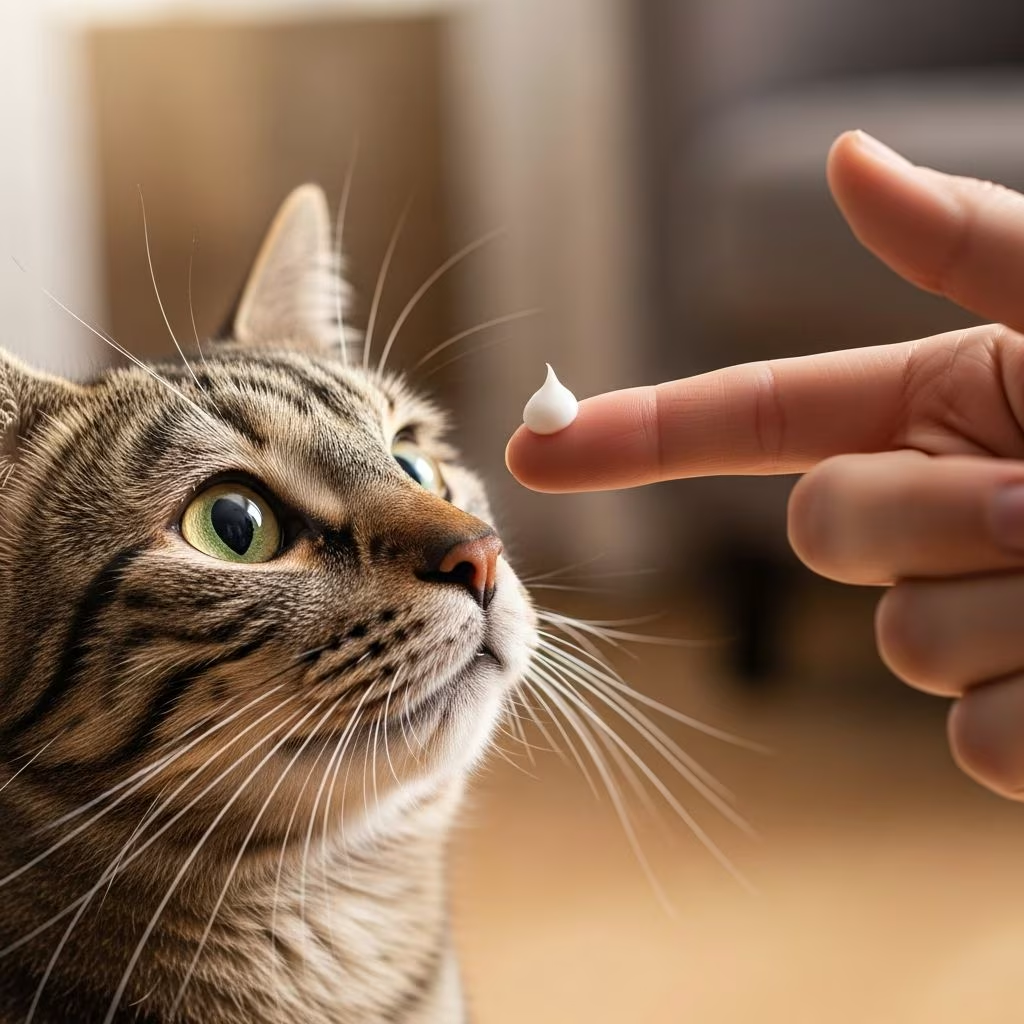
Human lotions are formulated for our thicker skin and different pH levels, making them unsuitable and potentially toxic for cats, who may lick them off and suffer from vomiting, diarrhea, or worse.
Cats often develop dry, flaky skin due to allergies, fleas, mites, or environmental factors. While it’s tempting to reach for your own moisturizer to help, this can exacerbate issues or cause serious health problems. Cat skin is thinner, more sensitive, and has a distinct pH balance compared to human skin, leading to irritation from human products.
Why Can’t I Use Human Lotion on My Cat?
Human lotions, even those labeled as ‘natural,’ pose multiple risks to cats. Primarily, the formulations are designed for human physiology, not feline. Human skin is thicker with more cell layers (10-15) versus a cat’s 3-5 layers, making their skin barrier more vulnerable to disruption.
- Different pH Levels: Cats have a more acidic skin pH (around 6.0-7.5) than humans (4.5-5.5), so human lotions can disrupt this balance, causing redness, flakiness, itching, and soreness.
- Ingestion Risk: Cats groom obsessively, licking off applied lotions. Ingredients like humectants, emollients, fragrances, and preservatives become oily in the stomach, triggering drooling, vomiting, diarrhea, and gastrointestinal distress.
- Toxicity from Additives: Many lotions contain essential oils (e.g., tea tree, eucalyptus), zinc, or medications that are poisonous to cats. Even unscented varieties may include alcohols or parabens that irritate or poison upon ingestion.
- Worsening Conditions: Dry skin in cats often stems from underlying issues like allergies, parasites, or diseases. Human lotion masks symptoms without addressing causes, potentially delaying proper veterinary care.
Veterinarians emphasize that only cat-specific products should be used, as human ones can lead to severe reactions. For instance, the FDA has warned about personal care products like hand sanitizers causing poisoning if absorbed or ingested by pets during grooming.
References
- Personal Care Products and Your Pet — VCA Animal Hospitals. 2023-05-15. https://vcahospitals.com/know-your-pet/personal-care-products-and-your-pet
- Lotions & Creams: Is it Okay if my Pet Licks Them? — MetLife Pet Insurance. 2022-08-10. https://www.metlifepetinsurance.com/blog/pet-health/lotions-creams-is-it-okay-if-my-pet-licks-them/
- Human Lotion on Cats: Harmful? Products for Humans vs. Cats — Catster (Vet-Reviewed). 2024-11-20. https://www.catster.com/cat-health-care/is-human-lotion-safe-for-cats/
- Pet Health Guidelines on Topical Products — FDA Center for Veterinary Medicine. 2023-02-28. https://www.fda.gov/animal-veterinary
- 19 Beauty Products That Could Harm Your Pet — PetMD (Vet-Reviewed). 2024-03-12. https://www.petmd.com/dog/slideshows/19-beauty-products-could-harm-your-pet
Signs of toxicity include excessive drooling, vomiting, lethargy, tremors, or difficulty breathing. If observed, contact a vet or pet poison hotline immediately, providing product details and amount ingested.
What About Medical Ointments?
Human medical ointments vary in safety for cats. Always consult a vet before use, as many contain cat-toxic ingredients. Here’s a breakdown of common types:
Antibiotic Ointments
Some vet-approved antibiotics like mupirocin, iodine, or chlorhexidine are safe for minor wounds but must be monitored to prevent licking, which can cause stomach upset. Avoid Neosporin, as it may trigger anaphylaxis in cats due to neomycin or polymyxin.
- Apply sparingly and distract cat for 10-15 minutes post-application.
- Vet alternatives exist for infection prevention without human product risks.
Hydrocortisone Ointments
These soothe itchy human skin but differ in concentration from pet formulas. Human versions can cause GI issues if ingested and may not effectively treat feline allergies or infections.
- Symptoms of misuse: Vomiting, diarrhea, increased thirst/urination, panting.
- Opt for vet-prescribed low-potency steroids formulated for cats.
NSAIDs (Nonsteroidal Anti-Inflammatory Drugs)
Topical NSAIDs like diclofenac or flurbiprofen creams are highly toxic to cats, causing kidney failure, stomach ulcers, and potentially death even in tiny doses. Cats metabolize these drugs poorly.
- Never use on cats; symptoms include bloody vomit, weakness, jaundice.
- Vets prescribe oral or injectable cat-safe NSAIDs if needed for arthritis or pain.
| Ointment Type | Common Uses | Risks for Cats | Vet Recommendation |
|---|---|---|---|
| Antibiotic (e.g., Neosporin) | Cuts, scrapes | Anaphylaxis, GI upset | Mupirocin or chlorhexidine only |
| Hydrocortisone | Itchy skin | Ingestion toxicity, panting | Cat-specific steroids |
| NSAID creams | Pain, inflammation | Kidney damage, fatal ulcers | Avoid entirely |
Safe Alternatives for Cat Skin Care
Instead of human products, use vet-recommended options tailored for cats:
- Cat-Specific Moisturizers: Products like Douxo S3 Calm or Vet’s Best Allergy Itch Relief use soothing ingredients like chlorhexidine, aloe, or oatmeal without toxic additives.
- Omega-3 Supplements: Fish oil capsules improve skin health from within, reducing dryness and flakiness.
- Humidifiers: Add moisture to dry indoor air, especially in winter.
- Medicated Shampoos: For bathing, use pH-balanced formulas like Malaseb or KetoChlor.
- Diet Changes: Hypoallergenic or novel protein foods address allergy-related dryness.
Regular grooming with a soft brush distributes natural oils, preventing dryness. For persistent issues, diagnostic tests rule out fleas, ringworm, or hypothyroidism.
Preventing Accidental Exposure
Keep lotions inaccessible; cats are drawn to scents like coconut or lavender. Apply products away from pets, wash hands thoroughly, and use gloves if needed. Store in high cabinets or locked drawers.
If ingestion occurs:
- Do not induce vomiting.
- Note product name, amount, and time.
- Call vet or ASPCA Poison Control (888-426-4435).
Frequently Asked Questions (FAQs)
What happens if my cat licks human lotion?
Expect drooling, vomiting, diarrhea; severe cases involve tremors or organ damage. Seek immediate vet care.
Are natural or essential oil lotions safe for cats?
No, many essential oils (tea tree, peppermint) are toxic even diluted. Stick to cat-safe products.
Can I use baby lotion on my cat?
Baby products may be gentler but still risk pH mismatch and ingestion toxicity. Avoid without vet approval.
How do I treat my cat’s dry skin at home?
Use humidifiers, omega supplements, and gentle brushing. Vet visit for underlying causes.
Is coconut oil safe as a cat moisturizer?
In small amounts externally, yes, but ingestion can cause diarrhea. Vet-formulated oils are better.
Always prioritize veterinary guidance for your cat’s skin health to avoid risks associated with human products.



