

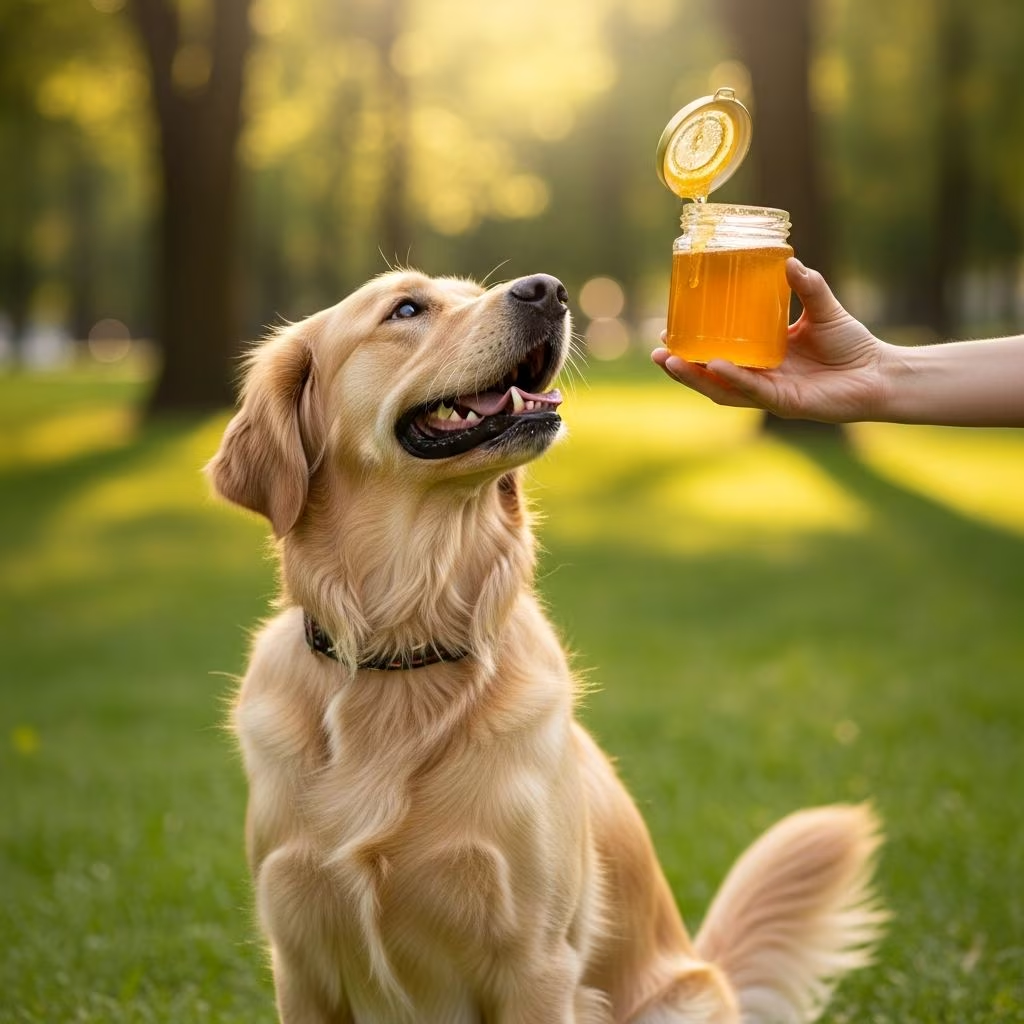
Honey offers a natural sweetness that many dog owners consider for treats or remedies, but its safety depends on moderation, dog health, and honey type. Healthy adult dogs can enjoy small amounts for potential health boosts, while certain groups face serious risks.
Nutritional Profile of Honey for Canines
Honey consists mainly of natural sugars like fructose and glucose, alongside trace vitamins, minerals, and antioxidants. These components provide quick energy without toxicity for most dogs. A teaspoon delivers about 12-17 grams of sugar and 70 calories, making it a calorie-dense option best used sparingly.
Antioxidants in honey combat oxidative stress, potentially aiding skin health and immunity. Minerals such as potassium and small vitamin doses contribute minimally but add to its appeal as an occasional supplement.
Potential Advantages of Offering Honey to Dogs
- Allergy Relief: Local raw honey may desensitize dogs to pollen allergens, reducing itching and sneezing through gradual exposure.
- Cough and Throat Soothing: Its coating properties ease kennel cough or irritation, acting as a natural demulcent.
- Skin and Wound Care: Antibacterial qualities promote healing for minor cuts, hot spots, or dry skin when applied topically.
- Digestive Aid: In tiny doses, it serves as a mild laxative for constipation relief.
- Energy Boost: Rapid sugar absorption energizes active dogs during play or recovery.
These perks remain anecdotal or minor; robust clinical trials specific to dogs are limited. Consult vets before relying on honey for therapeutic uses.
Critical Risks and Who Should Avoid It
High sugar content poses obesity, diabetes, and dental issues. Dogs process sugars swiftly, spiking blood glucose and straining the liver to convert excess fructose to fat.
| Risk | Effects on Dogs | Affected Groups |
|---|---|---|
| Obesity & Diabetes | Weight gain, insulin resistance, fatty liver | Overweight, diabetic, inactive dogs |
| Dental Problems | Plaque, tartar, gum disease from sticky residue | All dogs; worsens with poor dental hygiene |
| Digestive Upset | Diarrhea, vomiting, bloating | Dogs given excess amounts |
| Botulism | Muscle paralysis from Clostridium spores | Puppies under 1 year, immunocompromised |
| Allergies | Itching, swelling, breathing issues | Bee/pollen-sensitive dogs |
Raw honey risks botulism in young or weak pups due to immature digestion. Pasteurized versions reduce this but retain sugar concerns. Diabetic dogs face blood sugar crashes or ketoacidosis. Watch for symptoms like excessive thirst, lethargy, hives, or rapid breathing post-consumption.
Safe Feeding Guidelines by Dog Size
Limit honey to under 10% of daily calories, prioritizing healthy adults. Start with a fingertip dab to test tolerance over 24 hours.
- Tiny Dogs (under 10 lbs): 1/4 teaspoon, 1-2 times weekly.
- Small Dogs (10-25 lbs): 1/2 teaspoon, twice weekly max.
- Medium Dogs (25-50 lbs): 1 teaspoon daily or every other day.
- Large Dogs (50-100 lbs): 1-2 teaspoons, sparingly.
- Giant Dogs (over 100 lbs): 1 tablespoon max, not daily.
Integrate into kibble, yogurt, or peanut butter (xylitol-free). Brush teeth post-treat to mitigate decay.
Best Types of Honey for Your Pet
- Pasteurized Honey: Heat-treated to kill spores; ideal for all dogs in moderation.
- Raw Local Honey: Retains enzymes and pollen for allergy benefits but botulism risk for vulnerable pets.
- Manuka Honey: High antibacterial methylglyoxal suits wounds; expensive and sugar-heavy.
- Avoid: Flavored, processed, or xylitol-added varieties—xylitol causes fatal hypoglycemia.
Organic, unfiltered options maximize nutrients without pesticides.
Creative Ways to Incorporate Honey into Dog Diet
- Treat Mix: Drizzle 1/2 tsp over plain yogurt and blueberries for a probiotic snack.
- Pill Hider: Coat medications in honey for easier swallowing.
- Energy Bites: Blend with oats, pumpkin, and coconut oil; freeze into balls.
- Topical Paste: Mix with coconut oil for paw balm against cracks.
- Water Additive: Tiny drop for hydration appeal during illness (vet-approved).
Track responses in a journal: dosage, behavior, stool changes.
Signs of Trouble and Veterinary Action
Monitor 30-60 minutes post-feeding. Emergency signs demand immediate vet care:
- Persistent vomiting/diarrhea
- Facial swelling or hives
- Labored breathing
- Weakness or seizures
- Unusual thirst/urination
For mild upset, withhold food 12 hours, offer rice water. Chronic issues warrant diet review.
Alternatives to Honey for Dog Treats
Opt for lower-sugar options matching honey’s perks:
- Carrots/Apples: Crunchy, vitamin-rich, low-calorie.
- Blueberries: Antioxidants without sugar overload.
- Plain Pumpkin: Fiber for digestion, constipation aid.
- Green Beans: Filling, low-cal filler for weight control.
- Fish Oil: Omega-3s for skin/allergies sans sweetness.
Frequently Asked Questions
Can puppies eat honey?
No, avoid raw honey due to botulism; even pasteurized is sugar-heavy for developing systems. Wait until 1 year.
Does honey help dog allergies?
Local raw honey may via pollen exposure; evidence anecdotal. Vet antihistamines often more reliable.
Is Manuka honey better for dogs?
Its antibacterial edge aids wounds, but cost and sugar negate routine use.
How much honey daily for a 70 lb dog?
Up to 1 tsp; not exceeding 10% calories. Weekly rotation prevents issues.
Can honey cause diarrhea in dogs?
Yes, osmotic effect pulls water into bowels; limit prevents this.
Expert Recommendations for Responsible Use
Veterinarians stress honey as an irregular treat, not staple. Pair with balanced diet, exercise, dental routines. Pre-existing conditions? Always seek personalized advice.
References
- Can Dogs Eat Honey? — American Kennel Club. 2023-05-15. https://www.akc.org/expert-advice/nutrition/can-dogs-eat-honey/
- Is Honey Safe for Dogs? — Smiley Honey. 2024-02-10. https://www.smileyhoney.com/blogs/honey-school/is-honey-safe-for-dogs
- Can Dogs Have Honey? Risks & Rewards — Pumpkin.care. 2024-08-22. https://www.pumpkin.care/post/can-dogs-eat-honey
- Is Honey Good for Dogs? Benefits, Risks, and Safe Serving Tips — WoPet. 2023-11-30. https://wopet.com/dogs/is-honey-good-for-dogs/
- Is Honey Safe For Dogs? — Bully Crew CBD. 2024-01-05. https://bullycrewcbd.com/blogs/news/is-honey-safe-for-dogs
- Can Dogs Eat Honey? — PetMD. 2024-06-12. https://www.petmd.com/dog/nutrition/can-dogs-eat-honey



