

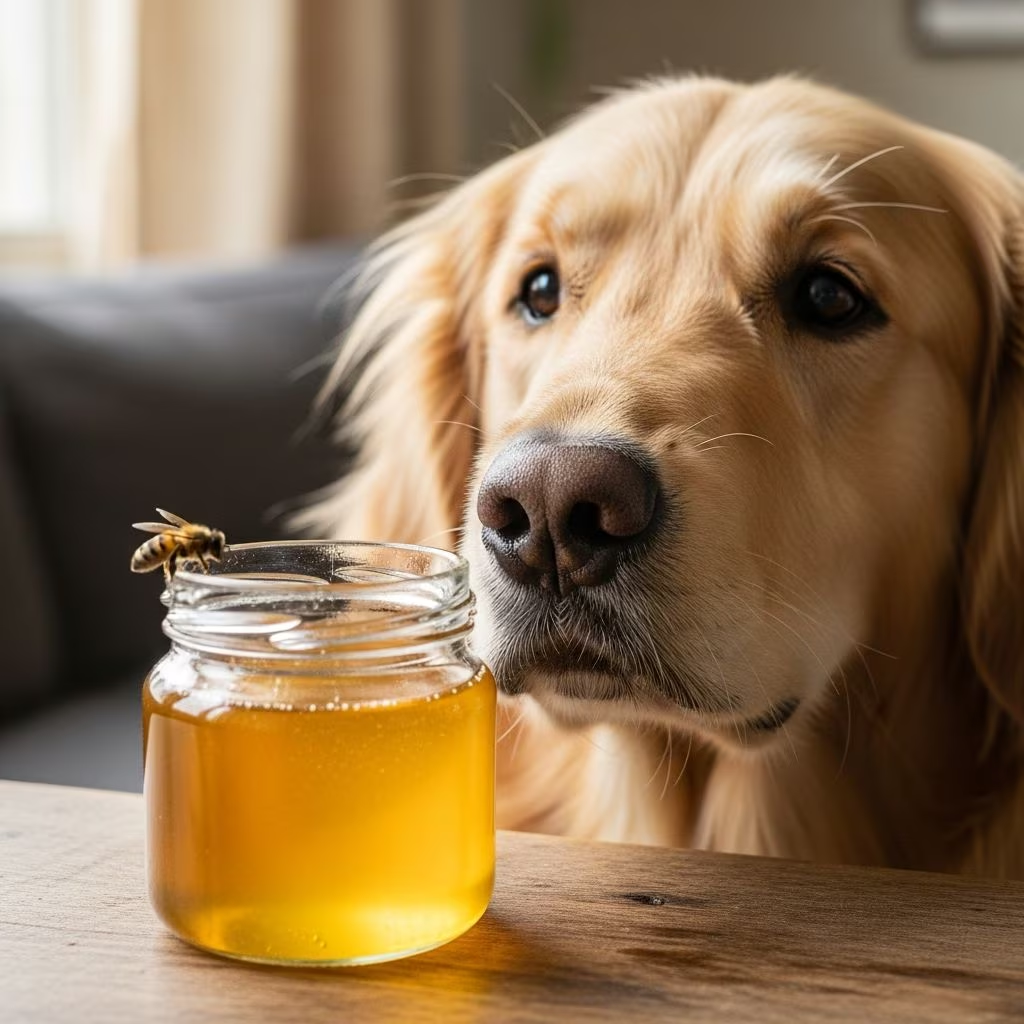
Honey serves as a natural sweetener with potential health perks for many adult dogs when offered sparingly. Healthy canines can enjoy small quantities of this golden treat, gaining access to antioxidants and soothing properties, though certain dogs must steer clear to avoid complications like botulism or blood sugar spikes.
Nutritional Profile of Honey and Its Appeal to Dogs
Honey consists mainly of natural sugars such as fructose and glucose, alongside trace vitamins, minerals, and potent antioxidants. For dogs, these elements can provide more than mere flavor; they contribute to overall wellness when integrated thoughtfully into a balanced diet. A single teaspoon delivers around 64-70 calories and 17 grams of sugar, making moderation essential to prevent excess calorie intake.
The unprocessed nature of raw honey preserves enzymes and pollen traces, enhancing its value as a holistic supplement. Dogs often relish its taste, turning feeding time into an engaging experience that strengthens the owner-pet bond.
Health Advantages of Honey for Canines
Research and veterinary insights highlight several ways honey supports dog health:
- Antioxidant Boost: Compounds like flavonoids combat oxidative stress, potentially reducing inflammation and bolstering immunity in adult dogs.
- Allergy Management: Local raw honey may desensitize dogs to environmental allergens through gradual pollen exposure, easing seasonal itchiness and skin irritations.
- Cough and Throat Relief: Its viscous texture coats irritated throats, offering natural solace for kennel cough or minor respiratory issues, akin to human remedies.
- Wound Healing: Antibacterial qualities promote faster recovery from minor cuts or hot spots when applied topically, though ingestion offers systemic support.
- Digestive Aid: Prebiotic effects foster beneficial gut bacteria, aiding digestion and nutrient absorption.
These benefits shine brightest in healthy adults, where honey acts as an occasional enhancer rather than a dietary staple.
Dogs That Should Never Consume Honey
Not all dogs benefit from honey; specific groups face heightened risks that outweigh any upsides. Puppies under one year possess immature digestive and immune systems vulnerable to botulism spores present in raw varieties. Similarly, immunocompromised pets—those battling cancer, lupus, autoimmune disorders, or post-surgery—cannot neutralize these spores effectively.
Diabetic dogs must avoid honey entirely, as its high glycemic index triggers dangerous blood sugar surges, risking ketoacidosis or other crises. Overweight or obese canines risk exacerbated weight gain, joint strain, and related conditions like arthritis or heart disease from the calorie-dense sugars. Bee-allergic dogs may react adversely, displaying swelling, itching, or gastrointestinal distress.
| Group | Safe? | Reason |
|---|---|---|
| Healthy Adult Dogs (20-50 lbs) | Yes, small amounts | Developed immunity; moderate calories |
| Puppies <1 year | No | Botulism risk |
| Diabetic Dogs | No | Blood sugar spikes |
| Overweight/Obese | No | Calorie overload, obesity worsening |
| Immunocompromised | No | Infection vulnerability |
| Bee-Allergic | No | Potential reactions |
Optimal Serving Sizes by Dog Weight
Portion control ensures honey remains a treat, not a hazard. Treats should constitute no more than 10% of daily caloric intake to maintain nutritional balance.
- Tiny Dogs (under 20 lbs): ¼ teaspoon max, 1-2 times weekly.
- Small-Medium (20-50 lbs): ½-1 teaspoon, occasionally.
- Large (over 50 lbs): Up to 2 teaspoons, sparingly.
Monitor reactions with a single drop initially, especially for allergy suspects. Brush teeth post-treat to avert decay from sugars.
Choosing the Right Type of Honey
Opt for pure, raw, organic honey to maximize benefits and minimize additives. Avoid processed varieties with high-fructose corn syrup or xylitol, the latter being fatally toxic to dogs. Local sourcing aids allergy relief via region-specific pollens. Filtered honey loses some nutrients but poses lower botulism risk for borderline cases—consult vets.
Store in cool, dark places to preserve potency; never microwave, as heat destroys enzymes.
Practical Ways to Incorporate Honey into Your Dog’s Routine
Beyond direct drizzling, creative uses enhance appeal:
- Mix into plain yogurt or peanut butter (xylitol-free) for a frozen treat.
- Stir into warm water for a soothing tea during cough episodes.
- Top kibble sparingly for picky eaters.
- Combine with coconut oil for skin balms.
Always prioritize vet clearance, especially for novel introductions.
Recognizing and Handling Overconsumption
Excess honey prompts immediate issues like vomiting, diarrhea, or lethargy from sugar overload. Long-term, it fosters obesity, dental problems, pancreatitis, or diabetes. If ingestion exceeds recommended amounts, withhold food temporarily, offer water, and contact a vet. Diabetic spikes demand urgent care.
Allergic signs—facial swelling, hives, breathing difficulty—require immediate antihistamines and veterinary intervention.
Expert Insights from Veterinary Sources
The American Kennel Club affirms honey’s safety in moderation for adults, citing vitamins and allergy aid while cautioning on sugars. Pet insurers like Pumpkin emphasize its 12-17 calorie teaspoon load, advocating vet discussions for health-compromised dogs. Consensus across sources: benefits for fit adults, risks for vulnerable pups.
Frequently Asked Questions
Can puppies safely eat honey?
No, avoid honey for puppies under 12 months due to botulism spore risks from immature immunity.
Is raw honey better than processed for dogs?
Raw retains more nutrients and enzymes, ideal for healthy adults, but carries higher botulism potential.
Will honey help my dog’s seasonal allergies?
Local raw honey may reduce symptoms via pollen desensitization; introduce gradually.
How much honey is too much for my dog?
Exceeding 10% daily calories or weight-based portions risks obesity and GI upset—stick to guidelines.
Can diabetic dogs have any honey?
No, its sugars spike blood glucose dangerously; opt for vet-recommended alternatives.
Is honey toxic if my dog eats a lot?
Not toxic acutely, but leads to vomiting, diarrhea, and chronic issues like weight gain.
References
- Can Dogs Have Honey? Safe Sweet Treats for Your Pup — We Feed Raw. 2023. https://wefeedraw.com/blog/can-dogs-have-honey
- Can Dogs Eat Honey? — American Kennel Club. 2024-01-15. https://www.akc.org/expert-advice/nutrition/can-dogs-eat-honey/
- Can Dogs Have Honey? Risks & Rewards — Pumpkin Care. 2023-05-10. https://www.pumpkin.care/post/can-dogs-eat-honey
- Can Dogs Eat Honey? A Guide to Safety — Purina US. 2024. https://www.purina.com/articles/dog/feeding/can-dogs-eat/honey
- Can Dogs Have Honey? — Chewy. 2023-11-20. https://www.chewy.com/education/dog/food-and-nutrition/can-dogs-have-honey
- Can Dogs Eat Honey? Here’s Everything You Need to Know — Pawlicy Advisor. 2024-02-05. https://www.pawlicy.com/blog/can-dogs-eat-honey/



