

Is Hand Soap Toxic to Cats?
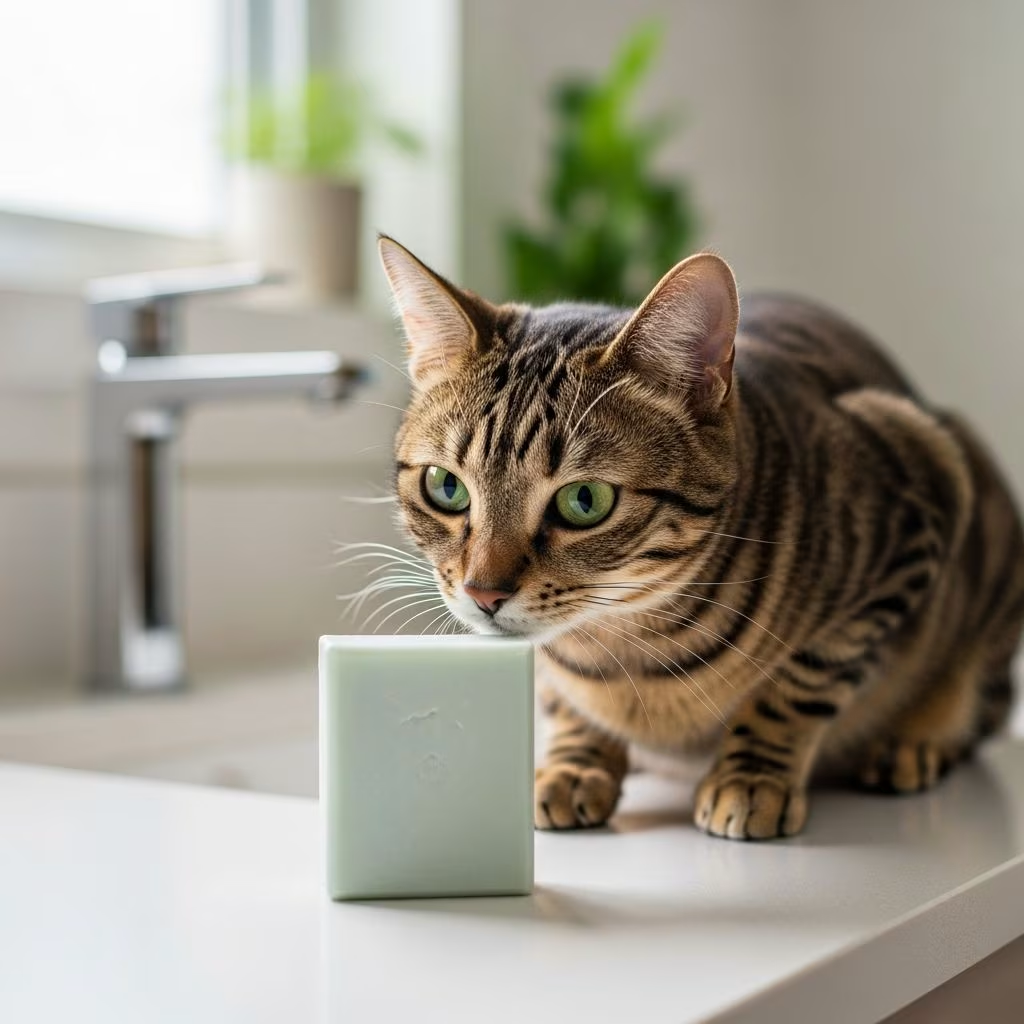
Finding your cat licking soap residue from the sink can be alarming for any pet owner. The good news is that most hand soaps are not poisonous to cats in small quantities, though they can cause mild irritation or gastrointestinal upset if ingested. Understanding the risks, recognizing warning signs, and knowing when to seek veterinary care are essential for keeping your feline friend safe.
Understanding Hand Soap and Cat Safety
Many people assume that because hand soap is gentle enough for human skin, it must be safe for cats. However, this assumption overlooks a critical difference: cats groom themselves by licking their fur and skin, which means any substance left on their body can be ingested. Additionally, cats have different pH levels than humans, making products formulated for people potentially problematic for feline health.
Hand soaps typically contain chemicals designed to break down grease and dirt. While these ingredients are generally safe for human use, they are not formulated with cats’ unique physiology in mind. When ingested, even in small amounts, these chemicals can cause gastrointestinal distress.
Toxicity Levels and Chemical Components
The toxicity of hand soap depends largely on its chemical composition. Most hand soaps contain anionic and nonionic detergents, which are mild irritants. These ingredients typically cause only localized irritation in the mouth, throat, and gastrointestinal tract.
However, some soaps pose greater risks than others:
- Mild detergents: Low toxicity; generally cause minimal problems in small quantities
- Alkaline soaps: Some products have higher pH levels and can be more irritating
- Sodium lauryl sulfate-containing products: Particularly concerning when inhaled during grooming; can cause respiratory issues
According to veterinary toxicology resources, there is no appreciable systemic absorption of detergent ingredients in cats. This means that the primary concern is localized irritation rather than systemic poisoning.
Symptoms of Hand Soap Ingestion in Cats
If your cat has ingested hand soap, it’s important to know what signs to monitor. The most common clinical signs of soap ingestion are nausea, vomiting, and diarrhea. These symptoms typically appear within a few hours of exposure.
Watch for the following warning signs:
- Vomiting or retching
- Diarrhea or loose stools
- Excessive drooling or salivation
- Loss of appetite
- Lethargy or unusual behavior changes
- Difficulty swallowing
- Abdominal discomfort or hunching
In most cases, cats that ingest small amounts of hand soap will experience mild diarrhea or temporary drooling and recover on their own without treatment. However, if your cat exhibits more severe or persistent symptoms, veterinary attention is warranted.
Special Concern: Respiratory Issues from Sodium Lauryl Sulfate
One particularly important consideration is sodium lauryl sulfate (SLS), a common surfactant found in many personal care products. Cats exposed to undiluted shampoos or products containing sodium lauryl sulfate through inhalation during grooming can develop substantial respiratory compromise, including dyspnea, increased bronchial secretions, and mild pulmonary edema.
This risk is especially significant if hand soap containing SLS is left on your cat’s fur or skin. Symptoms of respiratory distress include:
- Moist respiratory sounds
- Rapid or difficult breathing (dyspnea)
- Cyanosis (bluish tint to gums or tongue)
- Lethargy or weakness
These respiratory symptoms can appear within 1–3 hours of exposure and require immediate veterinary attention.
When to Contact a Veterinarian
Not every instance of soap exposure requires a trip to the veterinary clinic. However, you should seek veterinary care promptly if your cat shows persistent symptoms such as continuous vomiting, significant drooling, lethargy, or signs of respiratory distress.
Contact your veterinarian if:
- Your cat vomits more than once or twice
- Diarrhea persists for more than a few hours
- Your cat shows signs of dehydration (dry gums, lethargy, reduced urination)
- Behavioral changes are significant or prolonged
- You notice respiratory symptoms
- Your cat ingested a large amount of soap
- You’re unsure about the product’s ingredients
When you call your vet, be prepared to provide information about the type of soap, the approximate amount ingested, and when the exposure occurred.
Safe Alternatives: How to Properly Clean Your Cat
Cats rarely need to be bathed because they are proficient self-groomers. However, there are situations when your cat may need assistance, such as when he’s particularly dirty, greasy, or has gotten into something potentially harmful.
When bathing is necessary, follow these guidelines:
- Use cat-specific products: Always opt for shampoo or soap formulated specifically for cats, available at most pet stores
- Ask your veterinarian: If your cat has skin problems, consult your vet for product recommendations
- Consider Dawn dish soap for emergencies: Dawn dish soap has been cleared for use on animals and is especially effective at removing grease and oil from fur
- Rinse thoroughly: Wash your cat thoroughly after any bathing to remove all soap residue
- Dry completely: Ensure your cat is fully dry to prevent skin issues and discomfort
Why Cat-Specific Products Matter
Using human products on cats regularly can lead to serious skin problems, including:
- Loss of fur and bald spots
- Dry, dull coat
- Itchy, flaky skin
- Skin infections
This occurs because cats have different pH levels than humans, and our personal care products can disrupt their skin’s natural balance.
Preventing Hand Soap Exposure
The best approach to protecting your cat from hand soap toxicity is prevention. Take these steps:
- Store hand soap securely out of your cat’s reach
- Rinse soap residue thoroughly from sinks and bathtubs
- Keep liquid hand soap bottles closed and stored away
- Supervise your cat if you’ve recently used soap in areas he frequents
- Wash your hands thoroughly and dry them completely before petting or playing with your cat
- Consider using a pet-safe hand sanitizer alternative
Treatment and Recovery
If your cat has ingested hand soap and is showing symptoms, treatment is typically straightforward. In most cases, dilution, bathing, and supportive care are the primary treatments indicated. Your veterinarian may recommend:
- Monitoring at home for symptom progression
- Providing fresh water to help flush the system
- Feeding bland foods if appetite returns
- IV fluids if dehydration is present
- Medications to manage nausea or vomiting if severe
Most cats recover completely from mild hand soap ingestion without long-term effects. The key is early detection and appropriate monitoring.
Frequently Asked Questions
Q: Is hand soap poisonous to cats?
A: Most hand soaps are not poisonous in small quantities, but they can cause mild irritation or gastrointestinal upset if ingested. The level of toxicity depends on the soap’s specific ingredients and the amount consumed.
Q: What symptoms should I watch for if my cat ingests soap?
A: Watch for vomiting, diarrhea, excessive drooling, lethargy, and changes in behavior. In cases involving products with sodium lauryl sulfate, watch for respiratory symptoms like difficult breathing or moist sounds from the lungs.
Q: Can I use hand soap to bathe my cat in an emergency?
A: Though you can use hand soap on your cat in an emergency, it’s best to use soap formulated specifically for cats. If you must use hand soap, ensure you rinse thoroughly to remove all residue.
Q: When should I take my cat to the veterinarian?
A: If your cat shows persistent symptoms such as continuous vomiting, significant drooling, lethargy, or respiratory distress, seek veterinary care promptly. If you’re unsure or symptoms worsen, contact your vet immediately.
Q: What’s the best product to use if I need to bathe my cat?
A: Cat-specific shampoos formulated for feline use are the safest choice. For emergencies involving grease or oil, Dawn dish soap has been cleared for use on animals and is effective.
Q: How often should I bathe my cat?
A: Cats rarely need bathing because they are excellent self-groomers. Only bathe your cat when necessary, such as when he’s dirty, greasy, or has gotten into something potentially harmful.
Q: What should I do if my cat’s respiratory symptoms develop after soap exposure?
A: Respiratory symptoms require immediate veterinary attention. Contact your vet or an emergency animal hospital right away if your cat shows signs of difficulty breathing, cyanosis, or unusual respiratory sounds.
References
- Is Hand Soap Poisonous to Cats? — Dial A Vet. 2024. https://www.dialavet.com/vet-answers/cat-licked-soap-worried-223553
- Is Hand Soap Toxic to Cats & Is It Effective for Cleaning? — Hepper. 2024. https://articles.hepper.com/is-hand-soap-toxic-to-cats/
- Toxicoses From Household Cleaners and Personal Care Products in Animals — Merck Veterinary Manual. Sharon M. Gwaltney-Brant, DVM, PhD, DABVT, DABT, University of Illinois. 2024. https://www.merckvetmanual.com/toxicology/toxicoses-from-household-hazards/toxicoses-from-household-cleaners-and-personal-care-products-in-animals



