

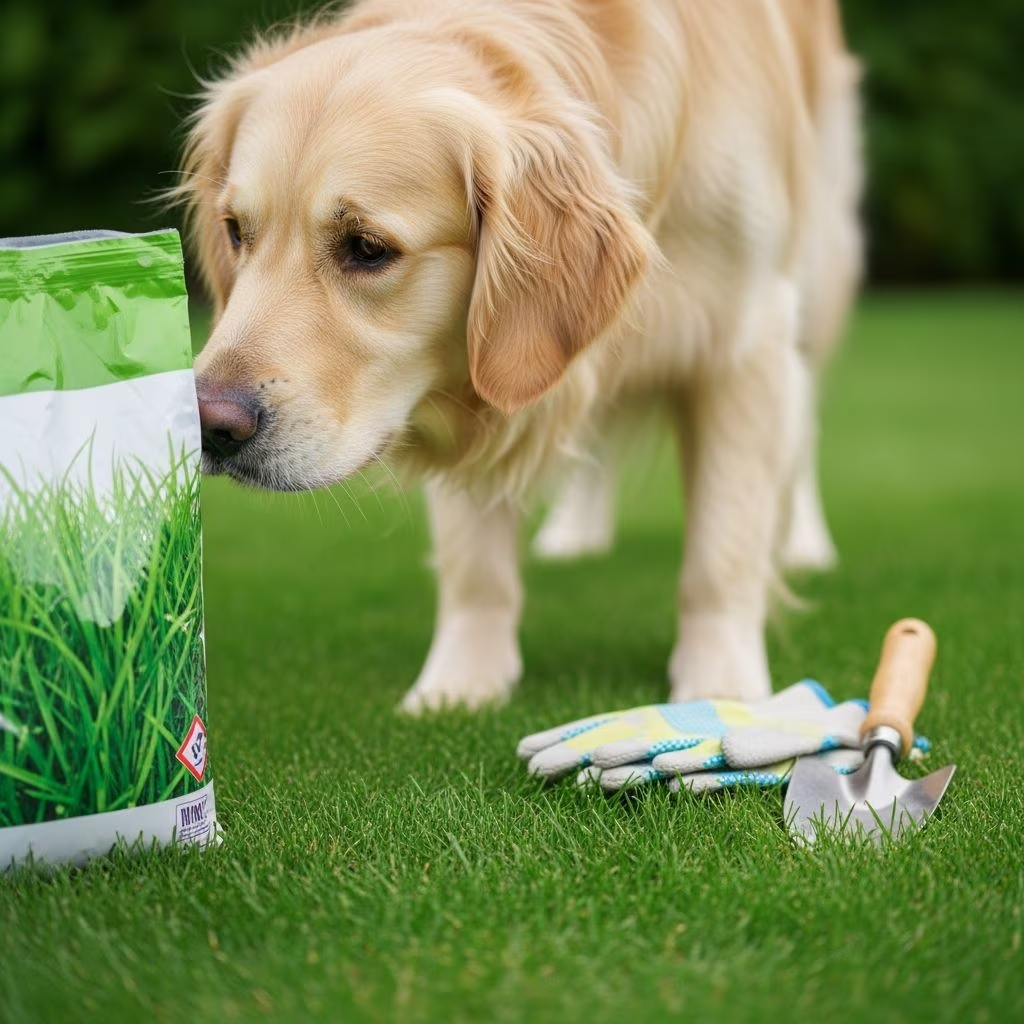
Grass fertilizers, essential for maintaining a lush lawn, can pose significant health risks to dogs if ingested. While small amounts often cause only mild gastrointestinal upset, larger quantities or those containing toxic additives like pesticides and herbicides can lead to severe symptoms, including vomiting, tremors, seizures, and even death.
Dogs are naturally curious and may lick their paws, chew grass, or access fertilizer bags directly, increasing exposure risks. Understanding the composition of these products—primarily nitrogen (N), phosphorus (P), and potassium (K)—is crucial, as even standard NPK fertilizers can irritate the digestive system, while additives amplify dangers. This comprehensive guide covers why fertilizers harm dogs, symptoms to watch for, prevention tips, and emergency responses, drawing from veterinary expertise to keep your pet safe.
Why Is Fertilizer Toxic to Dogs?
Fertilizers promote plant growth through essential nutrients, but these same elements can disrupt a dog’s physiology when ingested. Nitrogen, the primary component, is particularly problematic in high concentrations, leading to gastrointestinal irritation, vomiting, and diarrhea. Phosphorus and potassium contribute to electrolyte imbalances, exacerbating symptoms in larger doses.
The toxicity level hinges on several factors:
- Ingested Amount: Small traces from grass typically cause mild issues, but direct consumption from bags or spreaders can overwhelm the system.
- Dog’s Size: Puppies and small breeds face higher risks from the same quantity that might only mildly affect larger dogs.
- Additives: Many products include herbicides, pesticides, or iron, escalating dangers.
Organic options aren’t always safer; bone meal, blood meal, and fish meal attract dogs due to their scent, potentially causing bowel obstructions or pancreatitis. Urea, a common nitrogen source, can induce methemoglobinemia in large amounts, impairing oxygen transport.
Toxic Ingredients in Fertilizers
Beyond NPK, harmful additives include:
- Insecticides: Organophosphates, carbamates, and pyrethroids target the nervous system, causing salivation, tremors, seizures, and coma.
- Herbicides: Glyphosate, 2,4-D, and MCPP lead to vomiting, ataxia, and tremors.
- Iron: Can result in iron poisoning with severe gastrointestinal and systemic effects.
- Organic Meals: Bone, blood, feather, and fish meals are palatable to dogs, risking massive ingestions.
| Ingredient Type | Examples | Effects on Dogs |
|---|---|---|
| NPK Base | Nitrogen, Phosphorus, Potassium | Mild GI upset: vomiting, diarrhea |
| Insecticides | Organophosphates, Carbamates | Tremors, seizures, respiratory distress |
| Herbicides | Glyphosate, 2,4-D | Vomiting, ataxia, tremors |
| Organic Additives | Bone meal, Blood meal | Obstruction, pancreatitis |
Signs Your Dog Has Ingested Fertilizer
Symptoms vary by fertilizer type and amount but often start with gastrointestinal signs. For standard NPK, expect:
- Vomiting and diarrhea
- Abdominal pain
- Excessive drooling
- Lethargy
Toxic additives produce more alarming neurological symptoms:
- Increased salivation and tearing
- Rapid breathing and heart rate
- Muscle tremors or stiffness
- Uncontrolled urination/defecation
- Seizures or collapse
Skin contact may cause irritation to paws, eyes, or mouth. Monitor for 24-48 hours post-exposure, as symptoms can delay. Severe cases like methemoglobinemia from urea show pale gums and weakness. If symptoms persist beyond mild upset, seek veterinary care immediately.
How to Prevent Fertilizer Poisoning in Dogs
Proactive measures ensure a safe lawn without compromising your dog’s health:
- Timing Application: Apply fertilizer when dogs are indoors; restrict yard access for 48 hours or until rain/watering dilutes it.
- Storage: Keep bags/spreaders in locked garages or high shelves.
- Dog-Safe Products: Choose plain NPK without additives; check labels for pet-safe certifications.
- Organic Alternatives: Use compost or slow-release options, but avoid meal-based attractants.
- Cleaning: Hose down treated areas; wipe paws after walks.
For indoor plants, elevate pots and discard runoff water. Train dogs to avoid treated zones with positive reinforcement.
What to Do If Your Dog Eats Fertilizer
Act swiftly:
- Assess: Note product name, ingredients, and amount ingested.
- Prevent Further Exposure: Remove access; rinse mouth if possible.
- Monitor: Watch for symptoms; mild cases may resolve with withholding food.
- Vet Contact: Call vet or poison hotline (e.g., ASPCA at 888-426-4435) for specifics. Provide bag details.
- Treatment: May include induced vomiting, activated charcoal, IV fluids, or anti-seizure meds.
Never induce vomiting without guidance, as some toxins worsen with it.
Are Organic Fertilizers Safe for Dogs?
Not necessarily. While avoiding synthetic chemicals, organics like bone or blood meal smell appealing, prompting large ingestions that cause obstructions or pancreatitis. Cocoa mulch is another hazard, containing theobromine toxic to dogs. Always verify labels and apply precautions.
FAQ
Can fertilizer kill dogs?
Yes, especially those with disulfoton (1% lethal in teaspoon for 55lb dog) or organophosphates. Standard NPK rarely fatal but risky in excess.
Which fertilizers are most toxic to dogs?
Weed-and-feed with herbicides/pesticides; organic meals like bone/blood meal.
Are dogs attracted to fertilizer?
Yes, particularly organic meals (bone, blood, fish, feather) and cocoa mulch due to scent.
Can you use plant fertilizer with dogs?
Yes, but keep dogs away during application and 48 hours after; store securely.
How long after fertilizing is it safe for dogs?
Wait 48 hours or until watered in thoroughly; longer for additives.
Choosing Pet-Safe Lawn Care Products
Opt for products labeled ‘pet-safe’ with pure NPK (e.g., 10-0-10). Avoid ‘weed and feed.’ Natural alternatives like manure compost require same precautions. Consult vets for breed-specific advice, especially for puppies or seniors. Regular lawn maintenance reduces fertilizer needs, minimizing risks.
In summary, while grass fertilizers enhance your yard, vigilance protects your dog. By selecting safer products, timing applications wisely, and responding promptly to exposures, you can enjoy a green lawn and a healthy pet.
References
- Is Fertilizer Bad for Dogs? — LawnStarter. 2023-05-15. https://www.lawnstarter.com/blog/lawn-care-2/fertilizer-bad-for-dogs/
- Fertilizer and Mulch Dangers for Dogs — Pet Health Network. 2024-02-10. https://www.pethealthnetwork.com/dog-health/dog-toxins-poisons/fertilizer-and-mulch-dangers-dogs
- Are Fertilizers Toxic to Dogs — Pet Poison Helpline. 2024-08-20. https://www.petpoisonhelpline.com/pet-tips/are-fertilizers-toxic-to-dogs/
- My Dog Ate Fertilizer, Now What? — PetMD. 2025-01-05. https://www.petmd.com/dog/poisoning/dog-ate-fertilizer
- Fertilizers: A Growing Problem for Pets — ASPCApro. 2023-11-12. https://www.aspcapro.org/resource/fertilizers-growing-problem-pets



