

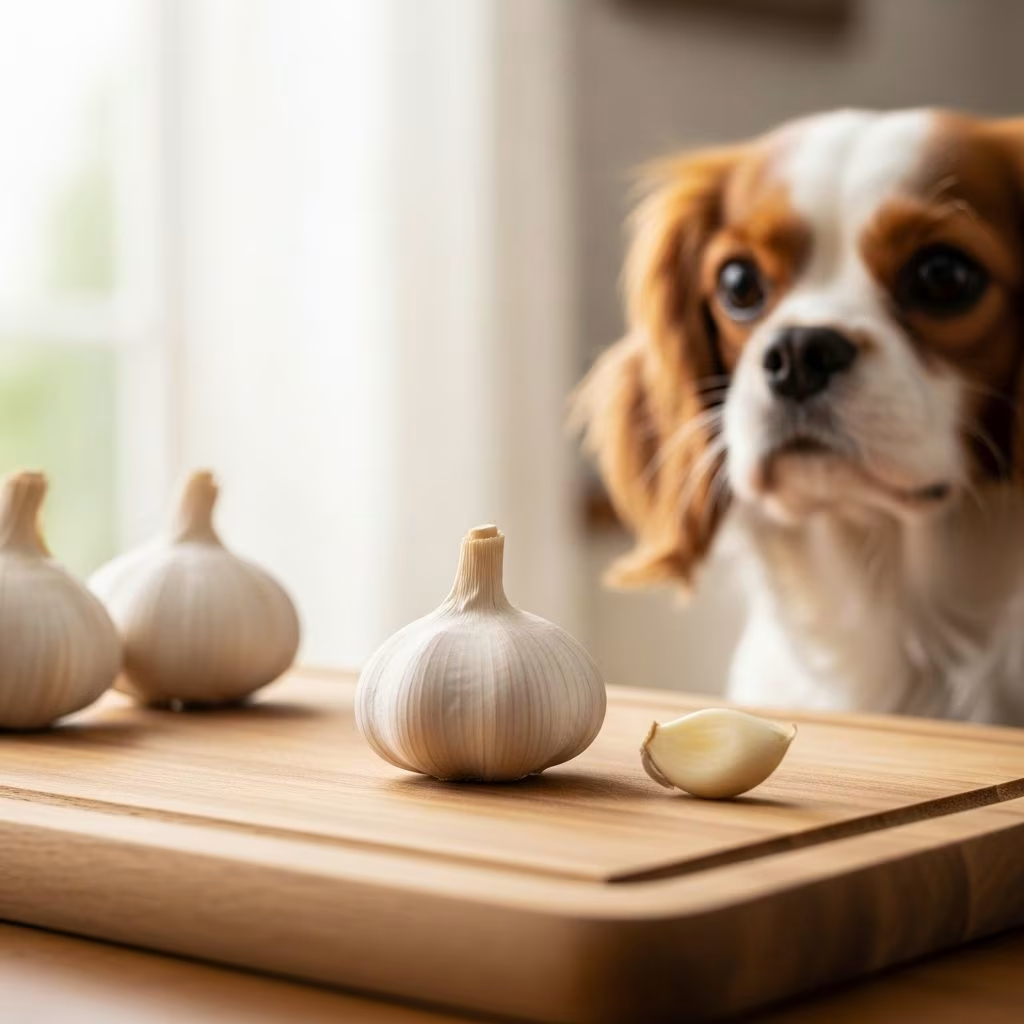
Garlic offers flavor and health perks for humans, but it presents significant dangers for dogs. Compounds in garlic from the Allium family can harm canine red blood cells, potentially leading to life-threatening anemia. Pet owners must understand these risks to protect their furry friends.
The Hidden Dangers of Allium Family Plants for Canines
Dogs process certain plant chemicals differently than humans. Garlic belongs to the Allium genus, alongside onions, leeks, chives, and shallots. These plants contain thiosulfates and N-propyl disulfides, which dogs metabolize poorly. These substances oxidize hemoglobin in red blood cells, forming Heinz bodies that cause cells to rupture. This oxidative damage reduces oxygen delivery throughout the body, resulting in hemolytic anemia.
Unlike humans, where these compounds provide antioxidant benefits, dogs lack sufficient enzymes like glutathione peroxidase to neutralize them. Even cooked or powdered forms retain toxicity, as heat does not break down the harmful sulfides effectively.
Understanding Toxicity Thresholds and Dog Size Factors
The amount of garlic needed to cause harm varies by a dog’s weight. Studies indicate that 15-30 grams per kilogram of body weight can trigger blood changes leading to anemia. For context, a standard garlic clove weighs 3-7 grams. A 25-pound (11 kg) dog could face risks from ingesting about 165-330 grams, or roughly 25-50 cloves, though smaller amounts cause gastrointestinal upset.
Smaller breeds are at higher risk due to lower body mass. Toxicity builds cumulatively; repeated small exposures over days or weeks can accumulate damage without immediate symptoms. Powdered garlic or garlic salt concentrates these toxins further, making tiny quantities dangerous.
| Dog Weight (lbs) | Approx. Toxic Dose (grams garlic) | Equivalent Cloves |
|---|---|---|
| 10 | 68-136 | 10-20 |
| 25 | 170-340 | 25-50 |
| 50 | 340-680 | 50-100 |
This table illustrates approximate single-dose thresholds based on research; individual sensitivity varies.
Recognizing Signs of Garlic Poisoning in Dogs
Symptoms often appear 1-5 days after ingestion, starting with mild issues like vomiting, diarrhea, abdominal pain, and drooling. As red blood cell damage progresses, dogs show weakness, lethargy, pale gums, rapid breathing, increased heart rate, and dark urine from hemoglobin release. Severe cases involve collapse, jaundice, or coma.
- Early gastrointestinal signs: Nausea, vomiting, loss of appetite.
- Hematologic indicators: Pale mucous membranes, elevated heart rate.
- Advanced symptoms: Exercise intolerance, hemoglobinuria (dark urine).
Monitor closely if exposure is suspected. Blood tests confirm anemia via low packed cell volume (PCV) and red blood cell counts.
Immediate Steps If Your Dog Consumes Garlic
Act quickly: prevent further ingestion and contact a vet or poison hotline immediately. Do not induce vomiting without professional guidance, as it risks aspiration. Vets may administer activated charcoal to bind toxins, intravenous fluids for support, and blood transfusions in severe anemia cases. Antioxidants like N-acetylcysteine or S-adenosylmethionine help counteract oxidative stress.
Prognosis improves with early intervention. Most dogs recover fully if treated before organ damage occurs. Keep all Allium products out of reach, including kitchen scraps and seasoned foods.
Debunking Myths: Garlic as a Flea Repellent or Health Booster?
Some holistic sources promote tiny garlic doses for flea control, parasite resistance, or immunity. However, no scientific evidence supports efficacy in dogs, and risks outweigh unproven benefits. FDA-approved preventives are safer and proven. Claims of benefits from micro-doses ignore cumulative toxicity.
Aged garlic extract (AGE) showed no adverse effects in one study at 90 mg/kg/day for 12 weeks, but this processed form differs from fresh garlic and lacks broad endorsement for routine use. Veterinary consensus advises avoidance.
Safe and Effective Alternatives for Canine Health
Boost your dog’s wellness without risks. Focus on balanced commercial diets meeting AAFCO standards, rich in essential nutrients.
- Immune support: Omega-3 fatty acids from fish oil, probiotics.
- Antioxidants: Blueberries, spinach (in moderation, cooked).
- Flea prevention: Topical/oral vet products like fipronil or isoxazolines.
- Digestive aids: Pumpkin puree for fiber, plain yogurt for gut health.
Consult vets before supplements. Human foods like garlic bread add fats and salts exacerbating pancreatitis or obesity.
Common Foods to Avoid: Beyond Garlic
Extend vigilance to other toxins:
- Onions/leeks: More potent per gram than garlic.
- Chocolate, grapes, xylitol: Unrelated but critical dangers.
- High-fat treats: Risk acute pancreatitis.
Stick to dog-safe fruits/veggies like apples (no seeds), carrots, green beans.
Frequently Asked Questions About Garlic and Dogs
Can a tiny amount of garlic harm my dog?
Small, one-time amounts may not cause immediate issues but contribute to cumulative toxicity. Avoid entirely for safety.
Is cooked garlic safer than raw?
No, cooking does not eliminate thiosulfates. All forms pose risks.
What about garlic in dog treats or supplements?
Check labels; even trace amounts accumulate. Opt for garlic-free products.
How do I know if my dog has garlic toxicity?
Look for vomiting, pale gums, weakness. Seek vet bloodwork for confirmation.
Are some breeds more sensitive?
Smaller dogs and those with enzyme deficiencies (e.g., Japanese breeds) face higher risks.
Preventing Accidental Exposure in Everyday Life
Store garlic securely. Avoid table scraps, especially Italian or Asian dishes. Train with ‘leave it’ commands. Inform household members and guests. Regular vet checkups catch early blood issues.
For homemade diets, use vet nutritionists to ensure balance without toxins. Commercial kibble/wet foods provide complete nutrition safely.
References
- Can Dogs Eat Garlic? — PetMD. 2023. https://www.petmd.com/dog/nutrition/can-dogs-eat-garlic
- Onion and Garlic Toxicity in Dogs — JOII Pet Care. 2023. https://www.joiipetcare.com/blogs/poisons/onion-and-garlic-toxicity-in-dogs
- Can Dogs Eat Garlic? A Guide to Safety — Purina. 2024. https://www.purina.com/articles/dog/feeding/can-dogs-eat/garlic
- Can Dogs Eat Garlic? Why Garlic Isn’t Safe for Dogs — AKC. 2023. https://www.akc.org/expert-advice/nutrition/can-dogs-eat-garlic/
- Can My Dog Eat Garlic? A Safety Guide — Taste of the Wild Pet Food. 2023. https://www.tasteofthewildpetfood.com/articles/can-my-dog-eat-that/garlic/
- Safety and Efficacy of Aged Garlic Extract in Dogs — PMC (NCBI). 2018-10-15. https://pmc.ncbi.nlm.nih.gov/articles/PMC6267818/



