

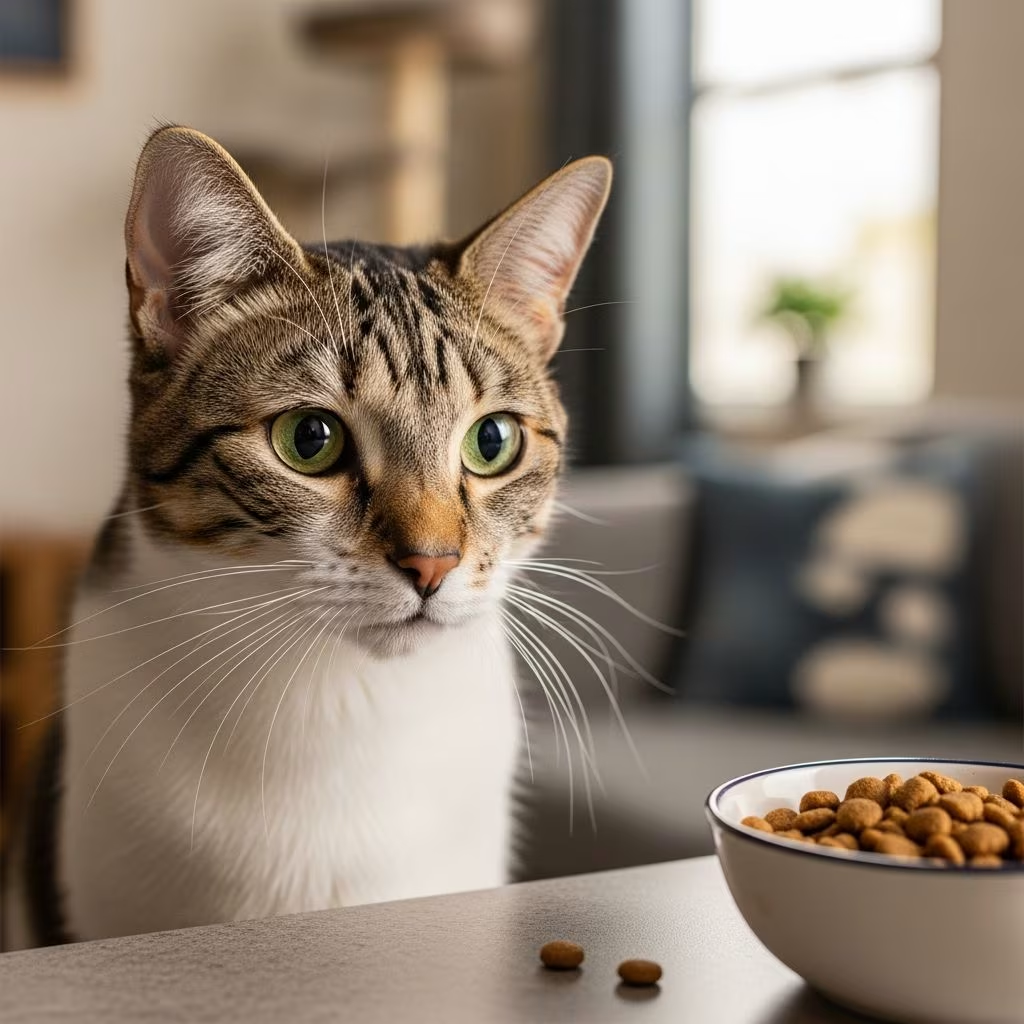
Cats thrive on diets tailored to their biology as obligate carnivores, requiring high animal-based protein, specific amino acids, and balanced fats. Friskies, a widely available commercial cat food, aims to meet these needs through varied formulas, but evaluating its effectiveness involves scrutinizing ingredients against veterinary standards like those from AAFCO.
Understanding Feline Nutritional Fundamentals
As obligate carnivores, cats depend on meat-derived nutrients their bodies cannot synthesize efficiently. Key requirements include at least 26% protein for adults and 30% for kittens on a dry matter basis, essential amino acids like taurine, and arachidonic acid from animal fats. Vitamins such as A, D, and E, plus minerals like calcium and phosphorus, must be precisely balanced to support vision, bone health, and metabolism.
Friskies formulations incorporate these elements, often listing meat by-products and poultry as primary proteins, supplemented with grains and vitamins to achieve completeness. While by-products provide nutrient density, their quality varies, prompting pet owners to compare labels against AAFCO profiles.
Breaking Down Friskies Ingredient Profiles
Typical Friskies dry foods feature chicken or seafood as first ingredients, followed by corn or rice for carbohydrates, and animal fat for palatability. Wet varieties emphasize meat sources higher on the list, with added taurine and omega fatty acids. These align with minimums: proteins often exceed 30% crude, fats around 10-15%, supporting energy needs without excess carbs.
- Protein Sources: Poultry by-products deliver amino acids like arginine and taurine, vital since cats cannot produce them adequately.
- Fat Content: Chicken fat provides arachidonic acid, absent in plant oils, aiding skin health and nerve function.
- Carbohydrates: Grains like corn gluten meal offer energy but should not dominate, as cats metabolize protein preferentially.
Preservatives such as BHA are used sparingly, and artificial colors enhance appeal without nutritional detriment. Overall, ingredients reflect cost-effective completeness for everyday feeding.
AAFCO Standards and Label Insights
AAFCO mandates nutritional adequacy statements on labels. Friskies products declare meeting ‘all life stages’ or ‘adult maintenance’ criteria, ensuring minimums for protein (26-30% DM), fat (9%), and taurine (0.1-0.2%). For instance, dry formulas guarantee 32% protein as-fed, translating to over 35% dry matter after moisture adjustment.
| Nutrient | AAFCO Adult Min (DM %) | AAFCO Kitten Min (DM %) | Typical Friskies Dry |
|---|---|---|---|
| Protein | 26 | 30 | 35-40 |
| Fat | 9 | 9 | 12-18 |
| Fiber | — | — | 2-5 |
| Taurine | 0.1 | 0.1 | 0.15+ |
This table illustrates compliance, with Friskies surpassing minima, though optimal health may favor higher animal protein ratios.
Tailoring Friskies to Life Stages
Kittens demand calorie-dense food with elevated protein (30%+ DM) and minerals like calcium for growth. Friskies kitten lines boost these, aiding development up to 12 months. Adults benefit from maintenance formulas controlling weight, while seniors need joint-supporting glucosamine and lower calories to combat obesity.
- Kittens (0-12 months): Higher fat and DHA for brain development.
- Adults (1-7 years): Balanced energy to maintain lean mass.
- Seniors (7+ years): Antioxidants and reduced phosphorus for kidney health.
Transition gradually over 7-10 days to avoid digestive upset, mixing old and new food incrementally.
Health Benefits and Potential Drawbacks
Friskies supports urinary health via balanced minerals, reducing struvite risk, and promotes coat shine through omegas. Owners report high palatability, encouraging consistent intake. However, high carb levels from grains may concern raw-feeding advocates, potentially leading to weight gain in inactive cats. Allergies to corn or by-products affect few, but monitoring stool quality and energy levels is key.
Veterinary bodies like AAHA endorse commercial foods meeting AAFCO for most cats, positioning Friskies as reliable.
Feeding Guidelines for Optimal Results
Portion based on weight and activity: 1/4-1/2 cup dry daily for 8-10 lb adults, split into meals. Combine with wet food for hydration, targeting 20-30 kcal/lb body weight. Adjust for spay/neuter status, as metabolism drops 25-30% post-surgery.
- Weigh cat monthly.
- Use feeding guides on packaging.
- Consult vet for health conditions like diabetes.
Comparing Friskies to Alternatives
Versus premium brands, Friskies offers affordability without sacrificing basics, though pricier options boast named meats and fewer fillers. Budget-conscious owners value its availability and variety (pates, shreds, kibble). For special needs, vet diets excel, but Friskies suits healthy cats.
| Aspect | Friskies | Premium Brands | Raw/Fresh |
|---|---|---|---|
| Price per lb | Low | Medium-High | High |
| Protein Quality | By-products | Named meats | Whole prey |
| Convenience | High | High | Low |
Real Owner Experiences and Expert Views
Many report shinier coats and firm stools after switching to Friskies, crediting balanced nutrition. Vets recommend it for compliant feeding in multi-cat homes. Drawbacks include picky eaters rejecting flavors, resolvable by variety packs.
Common Myths About Commercial Cat Foods
- Myth: By-products are fillers. Reality: They concentrate organs rich in taurine and vitamins.
- Myth: Grains cause allergies. Reality: Proteins trigger most reactions.
- Myth: Wet food is always superior. Reality: Both forms work if balanced.
Frequently Asked Questions
Does Friskies contain enough taurine?
Yes, exceeding AAFCO minima to prevent deficiencies like blindness.
Is Friskies suitable for overweight cats?
Select light formulas with fewer calories; pair with exercise.
Can I mix Friskies with other brands?
Yes, if totals meet daily needs, but monitor for imbalances.
How does Friskies support urinary health?
Controlled ash and pH levels reduce crystal formation.
Is Friskies grain-free?
No, but grains provide digestible energy; grain-free isn’t inherently better.
Enhancing Your Cat’s Diet with Friskies
Incorporate puzzle feeders for mental stimulation and dental kibble for tartar control. Annual vet checkups ensure nutritional fit amid life changes. Supplements like omega-3s add value if diet gaps exist, but rarely needed with complete foods.
Friskies proves a solid choice for budget-savvy owners seeking reliable nutrition, backed by standards and feline biology. Prioritize your cat’s preferences and health signals for best outcomes.
References
- Cat Diet Guide: What Should I Feed My Cat? — Chewy. 2023. https://www.chewy.com/education/cat/food-and-nutrition/cat-nutrition
- Nutritional Requirements of Small Animals — Merck Veterinary Manual. 2024-01-15. https://www.merckvetmanual.com/management-and-nutrition/nutrition-small-animals/nutritional-requirements-of-small-animals
- Cat Nutrition: What Makes a Nutritional Cat Food? — PetMD. 2023. https://www.petmd.com/cat/nutrition/cat-nutrition-what-makes-nutritional-cat-food
- Feeding Your Cat — Cornell University College of Veterinary Medicine. 2024. https://www.vet.cornell.edu/departments-centers-and-institutes/cornell-feline-health-center/health-information/feline-health-topics/feeding-your-cat
- The nutritional requirements of cats & Calculator — The Little Carnivore. 2023. https://thelittlecarnivore.com/en/blog/nutritional-requirements-of-cats-calculator
- Nutritional assessment in the cat: Practical recommendations — PMC (NCBI). 2024. https://pmc.ncbi.nlm.nih.gov/articles/PMC10814421/
- Nutrition – General Feeding Guidelines for Cats — VCA Animal Hospitals. 2023. https://vcahospitals.com/know-your-pet/nutrition-feeding-guidelines-for-cats
- Nutrition and Weight Management — AAHA. 2021. https://www.aaha.org/resources/2021-aaha-aafp-feline-life-stage-guidelines/nutrition-and-weight-management-2/



