

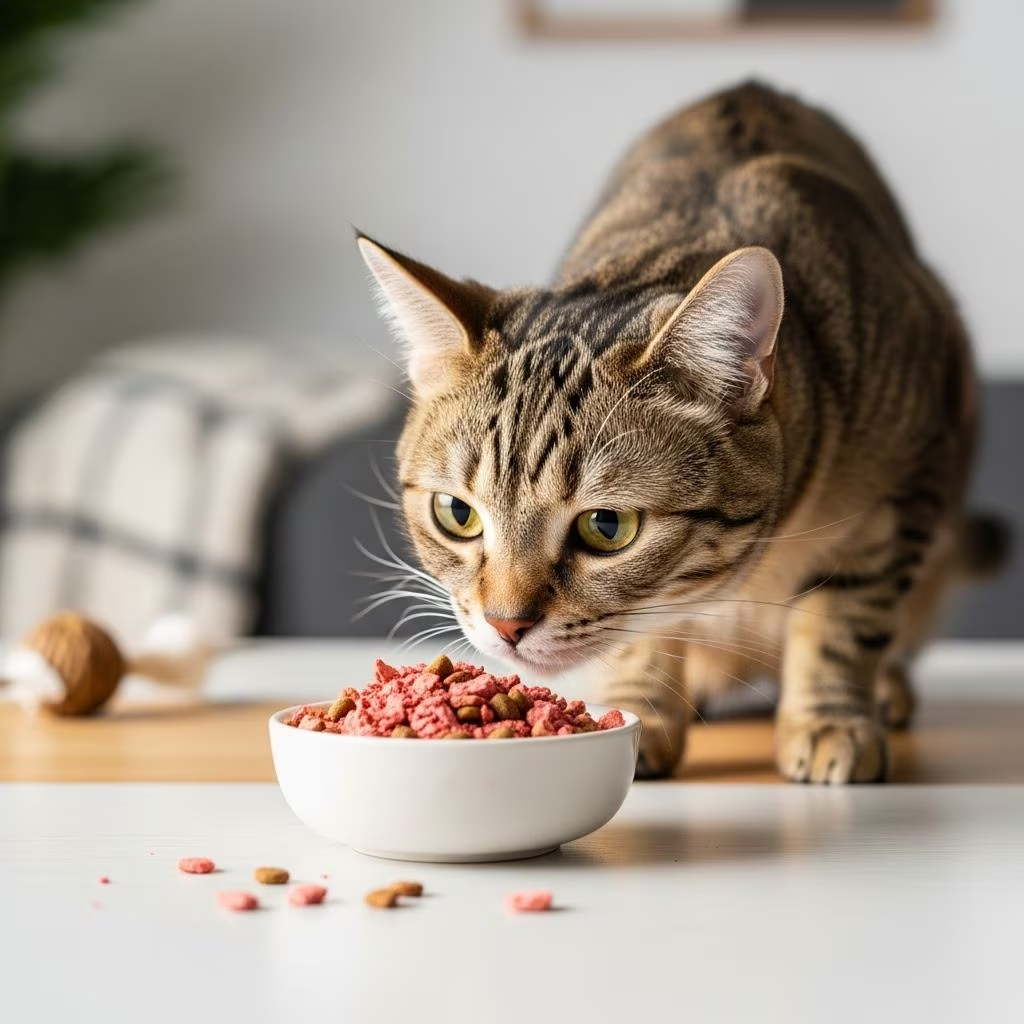
Freeze-dried cat food and treats offer a nutrient-dense alternative to traditional kibble and wet food, preserving raw ingredients’ natural qualities through a gentle dehydration process. This makes it an appealing option for cat owners seeking high-protein, minimally processed diets that mimic a cat’s ancestral carnivorous needs.
What Is Freeze-Dried Cat Food?
Freeze-dried cat food is created by freezing fresh raw ingredients like meat, organs, and sometimes vegetables or fruits, then subjecting them to a vacuum that sublimates the ice directly into vapor, removing nearly all moisture without heat. This process, known as lyophilization, retains up to 97% of the original nutrients, including proteins, vitamins, minerals, and enzymes that high-heat methods destroy.
Unlike kibble, which undergoes extrusion at high temperatures, or canned food with added water and preservatives, freeze-dried products are lightweight, shelf-stable, and rehydrate easily with water to resemble fresh raw food. They come as complete meals, toppers, or treats, often made from single proteins like chicken, beef, salmon, or organs for targeted nutrition.
How Is Freeze-Dried Cat Food Made?
The production begins with sourcing high-quality, human-grade meats and organs. These are pureed or ground, portioned onto trays, and rapidly frozen at temperatures below -40°F (-40°C). A vacuum chamber then applies low heat to sublimate the frozen water, a process taking 24-48 hours per batch. No cooking, baking, or chemical preservatives are involved, resulting in a product that’s 90-95% protein on a dry matter basis.
This minimal processing ensures the food remains biologically appropriate for obligate carnivores, providing bioavailable taurine, omega-3s, and amino acids essential for heart health, vision, and coat condition.
Freeze-Dried Cat Food Nutrition Facts
Freeze-dried cat food excels in nutrition due to its raw-like profile. A typical analysis shows:
| Nutrient | Average Content (Dry Matter Basis) | Key Benefits for Cats |
|---|---|---|
| Crude Protein | 40-60% | Muscle maintenance, energy; cats require 26-30% minimum. |
| Crude Fat | 15-35% | Energy source, skin/coat health via omegas. |
| Moisture | <5% | Concentrated nutrition; rehydrates to 70-80%. |
| Taurine | 0.2-0.3% | Heart/eye function; critical for felines. |
| Omega-3 Fatty Acids | 0.5-2% | Anti-inflammatory, joint/skin support. |
These values surpass many kibbles, which lose 20-50% of nutrients during processing. Freeze-dried options often exclude grains, fillers, and artificial additives, reducing allergy risks.
Is Freeze-Dried Cat Food Good for Cats? The Pros and Cons
Pros of Freeze-Dried Cat Food
- Superior Nutrient Retention: Sublimation preserves vitamins, enzymes, and probiotics lost in heat-processed foods, supporting immunity, digestion, and vitality.
- High Palatability: Intense natural flavors entice picky eaters; texture crunches like treats or softens when rehydrated.
- No Fillers or Allergens: Single-ingredient or limited lists avoid grains/soy, ideal for sensitive stomachs and allergies.
- Convenience and Shelf Life: Lightweight, no refrigeration needed until rehydrated; lasts 2+ years unopened.
- Health-Specific Benefits: Organ-based treats support targeted issues, like kidney treats for renal health or spleen for weight gain.
Cons of Freeze-Dried Cat Food
- High Cost: $0.50-$1.50 per ounce, 2-3x pricier than kibble due to premium ingredients and slow processing.
- Rehydration Required for Meals: Dry nuggets need water to prevent dehydration risk; not ideal for free-feeding.
- Potential Bacterial Concerns: Raw base may carry pathogens if not properly sourced/processed, though testing mitigates this.
- Calorie Density: Easy overfeeding without portion control, leading to weight gain.
- Limited Availability: Fewer flavor options; transitioning picky cats takes time.
Health Benefits of Freeze-Dried Cat Food
Beyond basics, freeze-dried food promotes digestive health via prebiotics from raw sources, shinier coats from omegas, and lean muscle from quality proteins. For seniors or those with conditions, organ treats align with nutritional therapy: liver for detoxification, heart for cardiac support. Studies affirm raw-like diets improve urinary pH, reduce dental plaque, and enhance energy in cats.
Cats on freeze-dried diets often show better stool quality, fewer allergies, and increased activity, mimicking wild prey’s nutrient profile.
Freeze-Dried Cat Food vs. Other Cat Foods
| Aspect | Freeze-Dried | Kibble | Wet Food | Dehydrated |
|---|---|---|---|---|
| Processing | Freeze/sublimate (minimal heat) | High-heat extrusion | Cooking/sterilization | Heat drying |
| Nutrient Retention | High (95%+) | Medium (50-70%) | Medium | Medium-High |
| Shelf Life | 2+ years dry | Indefinite | 1-2 years | 1-2 years |
| Cost per Day | $$-$$$ | $ | $$ | $$ |
| Best For | Raw benefits, allergies | Convenience | Hydration | Custom mixes |
Freeze-dried outperforms in nutrition but trades affordability for kibble’s ease.
Is Freeze-Dried Cat Food Safe?
Reputable brands test for Salmonella, E. coli, and pathogens, meeting AAFCO standards. Risks are low—comparable to raw diets—with proper handling: store cool/dry, rehydrate with boiling water, discard uneaten portions. Avoid for immunocompromised cats without vet approval. Transition gradually over 7-10 days.
How to Feed Freeze-Dried Cat Food to Your Cat
- Choose Complete vs. Topper: Use as 100% diet or 25% max with kibble/wet.
- Rehydrate: Add warm water (1:1-2 ratio), let sit 5-10 min; free-feed dry treats only.
- Portion: Follow label (e.g., 1-2 cups dry/day for 10lb cat, adjust for activity).
- Transition: Mix 25% new with old, increase weekly.
- Monitor: Weigh monthly; consult vet for health issues.
Frequently Asked Questions
What is freeze-dried cat food?
It’s raw food dehydrated via freezing and vacuum sublimation, preserving nutrients without cooking.
Is freeze-dried cat food better than kibble?
Yes for nutrition and palatability, but kibble wins on cost/convenience.
Can kittens eat freeze-dried food?
Yes, from weaning; choose puppy/kitten formulas for growth.
Does it expire?
Unopened: 2 years; opened: 1-2 months in fridge.
Is it raw?
Essentially yes—processing doesn’t cook it.
How much to feed?
Base on weight/activity; e.g., 20-30 calories/lb body weight daily.
References
- The Benefits of Freeze Dried Cat Treats – Remy’s Kitchen — Remy’s K9 Kitchen. 2023. https://remysk9kitchen.com/the-benefits-of-freeze-dried-cat-treats-a-nutritional-powerhouse-for-your-feline/
- The Benefits of Choosing Freeze Dried Cat Treats — TCVM Pet Supply. 2023. https://tcvmpet.com/blogs/news/the-benefits-of-choosing-freeze-dried-cat-treats
- The Advantages and Disadvantages of Cats Eating Freeze Dry Cat Food — Ranova Pet Treats. 2023. https://www.ranova-pettreats.com/the-advantages-and-disadvantages-of-cats-eating-freeze-dry-cat-food.html
- Freeze Dried Cat Food Review — AK Mountain Dog. 2023. https://akmountaindog.com/freeze-dried-cat-food-review/
- Decoding the Freeze-Drying Process — Whole Life Pet. 2023. https://wholelifepet.com/blogs/news/decoding-the-freeze-drying-process-why-its-essential-for-premium-longevity-cat-food
- Is Freeze-Dried Cat Food Better? — PetMD. 2023. https://www.petmd.com/cat/nutrition/freeze-dried-cat-food-better



