

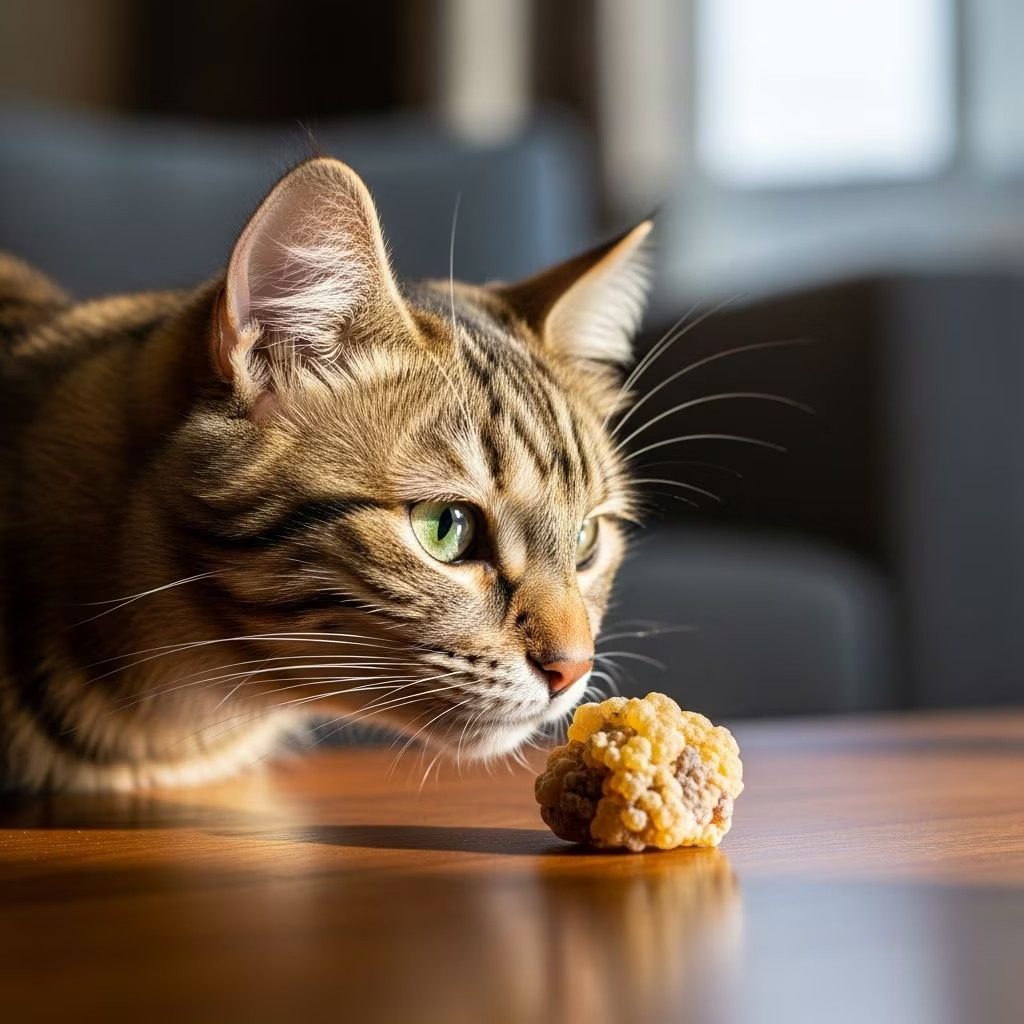
Frankincense, derived from the resin of Boswellia trees, is one of the more commonly discussed essential oils for pet use, often praised for its calming properties. While not outright toxic like many essential oils, frankincense requires extreme caution around cats due to their unique liver metabolism, which struggles to process phenolic compounds found in oils. Veterinary experts consider it among the safer options but emphasize dilution, ventilation, and professional consultation before any exposure.
What Is Frankincense?
Frankincense essential oil comes from the resin of trees in the Boswellia genus, native to regions like the Arabian Peninsula and parts of Africa. Steam distillation extracts the oil, resulting in a woody, spicy aroma used historically in incense, perfumes, and traditional medicine for its purported anti-inflammatory and calming effects. In modern wellness, it’s diffused for stress relief or applied topically in carriers like coconut oil. For cats, however, the concentrated phenols (e.g., boswellic acids) pose risks because felines lack sufficient glucuronyl transferase enzymes to metabolize them efficiently, leading to potential buildup in the liver, kidneys, or nervous system.
Cats groom extensively, ingesting oils from their fur, and their acute sense of smell—up to 200 million olfactory receptors compared to humans’ 5 million—makes diffused scents overwhelming. This sensitivity underscores why frankincense, despite anecdotal praise, lacks robust scientific studies confirming feline safety or efficacy.
Why Are Cats Sensitive to Essential Oils?
Cats’ hepatic systems differ markedly from dogs or humans. They possess fewer phase II detoxification enzymes, making them prone to toxicity from aromatic compounds in essential oils. Even ‘safe’ oils like frankincense can cause issues if undiluted or overexposed. The ASPCA notes essential oils generally as risky, with phenols and monoterpenes accumulating and damaging organs. Inhalation via diffusers or skin absorption followed by grooming amplifies exposure. Veterinary literature highlights that while dogs tolerate more, cats show rapid symptoms from minimal contact.
- Liver inefficiency: Reduced ability to conjugate toxins for excretion.
- Grooming behavior: Leads to oral ingestion of topical applications.
- Respiratory sensitivity: Aerosols irritate airways, exacerbating asthma in predisposed cats.
Is Frankincense Toxic to Cats?
Frankincense is not listed as highly toxic by the ASPCA, unlike tea tree or eucalyptus oils, positioning it as relatively safer. However, toxicity occurs with improper use: undiluted application, ingestion, or prolonged diffusion. Cats may experience mild irritation at low doses but severe reactions at higher ones due to poor metabolism. No large-scale studies exist on frankincense specifically, but anecdotal vet reports suggest caution yields benefits without harm.
Potential mechanisms include skin penetration, where oils enter the bloodstream directly, or inhalation causing mucosal irritation. In extreme cases, liver enzyme elevation mimics human acetaminophen toxicity in cats. Always prioritize vet approval over online advice.
Potential Benefits of Frankincense for Cats
Anecdotal evidence from pet owners and some holistic vets points to frankincense’s supportive roles, though scientific validation in felines is absent. Purported uses mirror human applications: anti-inflammatory for joints, immune modulation, and emotional balance. In blends with CBD or turmeric, it’s marketed for mobility and calm, but these remain unproven.
Calming Effects and Anxiety/Stress Relief
Frankincense’s sesquiterpenes may influence the limbic system, promoting relaxation. Owners report reduced hiding or vocalizing during stressors like vet visits or fireworks when diffused sparingly. A fabric collar infused with diluted oil (1-2 drops in 1 oz carrier) is a common method, allowing voluntary sniffing.
Immune Support
Traditionally, boswellic acids combat inflammation; for cats, this might aid chronic conditions like IBD or allergies, per user stories. No RCTs confirm this, but low-dose integration shows promise in pet-specific formulas.
Skin and Coat Health
Diluted topically, it may soothe dermatitis or promote healing, thanks to antimicrobial properties. Avoid open wounds; test on small fur areas first.
These benefits are experimental. Vets stress that pharmaceuticals outperform untested oils for diagnosed issues.
How Is Frankincense Used in Cats?
Exposure routes vary, intentional or accidental:
- Diffusion: Ultrasonic diffusers in large, ventilated spaces; run 15-30 min max, with cat exit options.
- Topical: Dilute to 0.5-1% (1 drop per 100 drops carrier oil like fractionated coconut); apply to base of tail or collar, never face or genitals.
- Ingestion: Never directly; some holistic products embed trace amounts, but vet oversight required.
- Incense/Burned: Avoid entirely; smoke irritates respiratory tracts.
Store oils locked away. Pet-specific, third-party tested products minimize adulterants.
Safe Usage Guidelines for Frankincense Around Cats
| Method | Dilution Ratio | Frequency | Precautions |
|---|---|---|---|
| Diffusion | N/A (pure) | 15-30 min, 1-2x/day | Ventilate; monitor behavior |
| Topical | 0.5-1% (1:99 oil:carrier) | 1x/day max | Patch test; avoid baths |
| Fabric sniff | 1-2 drops/oz fabric | As needed | Secure from ingestion |
Consult a vet knowledgeable in integrative medicine. Kittens, seniors, pregnant, or ill cats need stricter avoidance.
Risks and Signs of Toxicity
Even frankincense carries risks: skin burns, respiratory distress, GI upset, or neurotoxicity. Overexposure mimics phenol poisoning.
- Mild: Drooling, paw licking, sneezing, watery eyes.
- Moderate: Vomiting, diarrhea, lethargy, ataxia.
- Severe: Tremors, seizures, collapse, open-mouth breathing—emergency!
If symptoms appear, stop exposure, rinse affected areas with mild soap/water, and seek vet care immediately. Activated charcoal or IV fluids may be needed.
Alternatives to Frankincense for Cat Wellness
- Safe oils: Lavender (diluted), chamomile for calm—still vet-approved only.
- Non-aromatic: Feliway diffusers (synthetic pheromones), CBD pet treats.
- Holistic: Acupuncture, massage, environmental enrichment.
Frequently Asked Questions (FAQs)
Q: Can I diffuse frankincense around my cat?
A: Yes, sparingly in a well-ventilated room with escape routes, but monitor closely and limit to 15-30 minutes. Consult your vet first.
Q: Is frankincense oil safe to apply topically on cats?
A: Only if heavily diluted (0.5-1%) with a carrier and vet-approved. Never undiluted or on sensitive areas.
Q: What if my cat shows signs of essential oil toxicity?
A: Rinse exposure site, provide fresh air, and contact a vet or poison hotline immediately. Symptoms like drooling or tremors require urgent care.
Q: Are there benefits to frankincense for anxious cats?
A: Anecdotally yes for stress relief via diffusion, but no scientific proof. Safer options like pheromones exist.
Q: Can cats ingest frankincense safely?
A: No, direct ingestion is risky; grooming after topical use is the main concern. Avoid adding to food.
Conclusion
Frankincense offers intriguing potential for cats—calming nerves, supporting immunity, aiding skin—but its use demands vigilance. Cats’ metabolic vulnerabilities make most essential oils hazardous, and frankincense, while safer, isn’t risk-free without dilution, moderation, and veterinary guidance. Prioritize evidence-based care; when in doubt, skip oils altogether for your feline friend’s safety. Responsible pet parenting means consulting professionals over trends.
References
- Is Frankincense Oil Safe for Cats? Exploring the Risks & Precautions — Gyalabs. 2023. https://gyalabs.com/blogs/essential-oils/is-frankincense-oil-safe-for-cats
- Is Frankincense Safe for Cats? Our Vet Explains Health Concerns — Catster. 2024. https://www.catster.com/ask-the-vet/is-frankincense-safe-for-cats/
- Frankincense for Dogs and Cats: Benefits & Safety of Boswellia — CBD Dog Health. 2023. https://cbddoghealth.com/is-frankincense-oil-safe-for-dogs/
- Is Frankincense Safe for Cats? Vet Approved Facts — Hepper. 2024. https://articles.hepper.com/is-frankincense-safe-for-cats/
- Aromatherapy — All About Cats Veterinary Hospital. 2023. https://allaboutcatsonline.com/blog/308884-aromatherapy



