

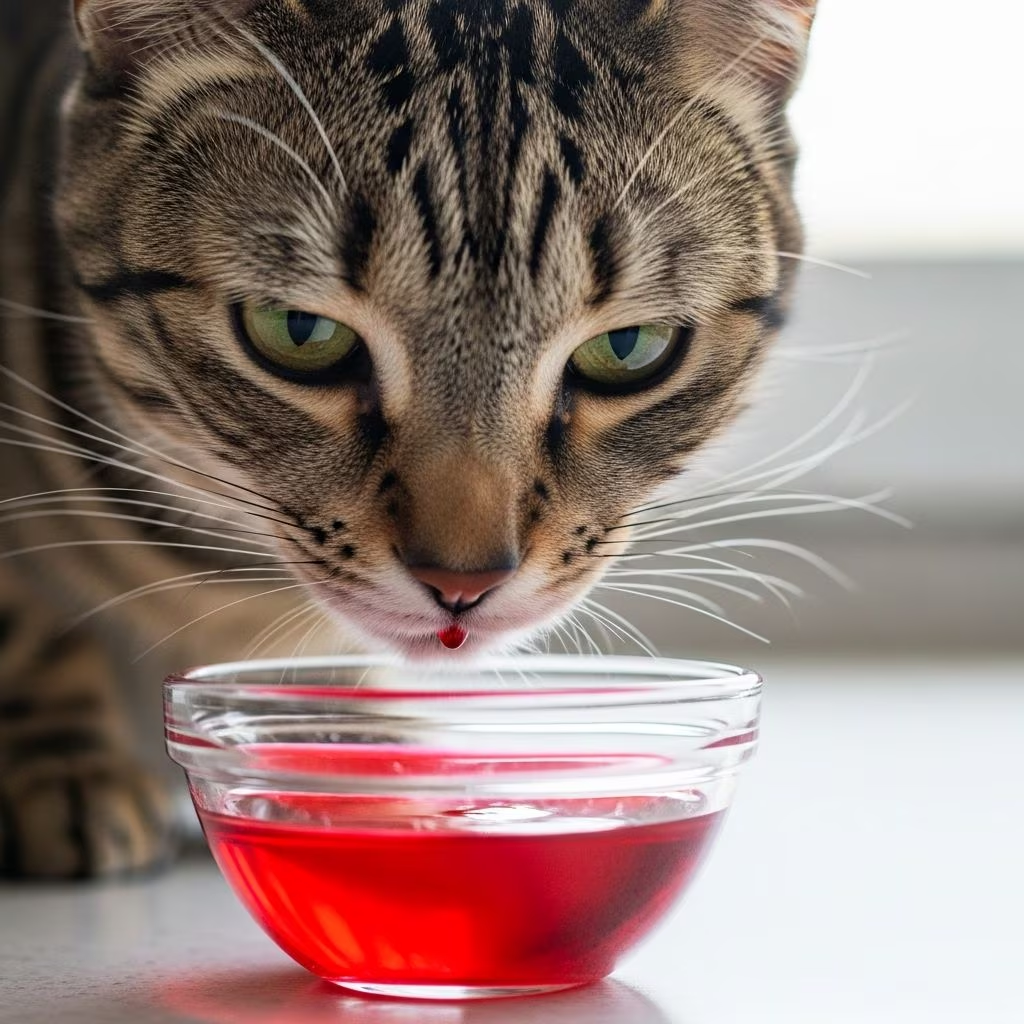
The FDA has approved less than 10 artificial food colors that, if used according to the directions, are safe for pets and humans. In this article, we explore the role of food coloring in cat food, its safety, types, and considerations for pet parents.

Why Do Cat Foods Contain Food Coloring?
Food coloring enhances the visual appeal of cat food primarily for human buyers, not cats. Cats rely more on smell and taste than color due to their limited color vision, which primarily distinguishes blues and greens but not reds or detailed hues. Manufacturers add dyes to make kibble or wet food look vibrant and varied, mimicking a ‘natural’ multi-colored diet or making it more enticing on store shelves.
Without dyes, many processed foods would appear dull or gray, which could deter purchases. Dyes correct color loss from processing, light exposure, or ingredients, ensuring consistency. However, these additives provide zero nutritional value to cats, raising questions about their necessity in pet diets.
Artificial vs. Natural Food Coloring in Cat Food
Cat food colorings fall into two categories: artificial (synthetic) and natural. Artificial dyes are lab-created for stability, cost-effectiveness, and vibrant results, while natural ones derive from plants, minerals, or insects.
Common Artificial Food Colorings
The FDA approves fewer than 10 synthetic dyes for pet food, rigorously tested for safety. Key examples include:
- Red No. 40 (Allura Red): Produces red hues; common in cereals and snacks. Banned in some European countries due to hyperactivity concerns in children, though FDA deems it safe.
- Yellow No. 5 (Tartrazine): Yellow color; used in drinks and snacks. Restricted in Norway, Austria, and Finland over allergy risks.
- Yellow No. 6: Orange shade; found in desserts and meats.
- Blue No. 1: Blue tint.
- Blue No. 2: Indigo.
- Green No. 3: Turquoise.
- Red No. 3: Pink.
These must undergo certification to remove impurities like petroleum traces.
Natural Food Coloring Alternatives
Natural dyes are gaining popularity for their perceived safety and minor nutritional perks. Examples include:
- Carotenoids (e.g., beta-carotene): From carrots or pumpkins; yields orange/yellow. Used in cheese and margarine.
- Chlorophyll: Green from plants.
- Carmine: Red from insects.
- Turmeric, beet juice, paprika: Provide yellows, reds, and oranges with antioxidants.
Though less vibrant and stable, natural options align with clean-label trends. Brands like those sold at Petco now prioritize them or go dye-free.
| Type | Source | Pros | Cons |
|---|---|---|---|
| Artificial | Synthetic chemicals | Stable, cheap, vibrant | Potential sensitivities; banned abroad |
| Natural | Plants/minerals/insects | Nutritional benefits, consumer-preferred | Less consistent color, costlier |
Is Food Coloring Regulated and Safe for Cats?
FDA oversight ensures approved dyes are safe in directed amounts for cats. The agency tests for toxicity, with acceptable daily intakes based on body weight. European Food Safety Authority (EFSA) similarly regulates but bans some U.S.-approved dyes.
Safety stems from low concentrations—far below harmful levels. Severe reactions are rare; cat allergies typically stem from proteins like chicken or beef, not dyes. However, long-term studies on pets are limited, prompting caution.
PubMed research on fecal markers shows certain colorings safe for short-term animal use, supporting regulatory stances. Petco’s dye bans reflect market-driven caution, not proven risks.
Potential Health Risks and Allergies from Food Dyes
While FDA-approved, concerns persist:
- Allergies/Sensitivities: Rare in cats; symptoms like itching or GI upset possible. Protein allergies dominate.
- Hyperactivity/Behavior: Linked in human kids; unproven in cats.
- Cancer/Organ Impact: Some dyes (e.g., Red 3) showed rodent risks at high doses, but not at pet food levels.
- Individual Variation: Kittens, seniors, or cats with conditions may react differently.
Monitor for vomiting, diarrhea, or skin issues post-diet change. Consult vets for symptoms. No evidence supports dyeing cat fur with food colors—avoid entirely.
Benefits of Choosing Dye-Free Cat Food
Dye-free foods prioritize nutrition: high-quality proteins, fats, and taurine essential for feline health. Benefits include:
- Reduced additive exposure.
- Better palatability via natural flavors.
- Alignment with ancestral diets (prey-based, uncolored).
- Supports clean-label trends; many premium brands omit dyes.
Transition gradually over 7-10 days to avoid upset.
How to Read Cat Food Labels for Dyes
Scan ingredients post-protein/fat listings. Look for:
- Artificial: ‘Red 40’, ‘Yellow 5’, etc.
- Natural: ‘Beet powder’, ‘annatto’, ‘caramel color’.
- Avoid if concerned; choose ‘no artificial colors’ claims.
AAFCO standards ensure completeness, but dyes aren’t mandated.
Veterinarian Advice on Cat Food Colorings
Vets emphasize balanced nutrition over aesthetics. Dr. [Generic Vet Note from sources]: ‘FDA safety doesn’t mean necessity. Opt for whole-ingredient foods.’ Pair with vet checkups for tailored advice.
Frequently Asked Questions (FAQs)
Q: Is food coloring in cat food safe according to FDA?
A: Yes, less than 10 FDA-approved dyes are safe when used as directed in commercial cat food.
Q: What are common artificial dyes in cat food?
A: Red 40, Yellow 5, Yellow 6, Blue 1, Blue 2, Green 3, Red 3.
Q: Are natural food colorings better for cats?
A: They may offer minor nutrients and fewer concerns, though both are regulated safe. Many brands shift to natural.
Q: Can food coloring cause allergies in cats?
A: Rare; most allergies are to proteins. Consult vet for symptoms.
Q: Should I avoid cat food with dyes?
A: Not necessary if FDA-approved, but dye-free options focus on nutrition without visuals cats ignore.
Q: Is it safe to dye my cat’s fur with food coloring?
A: No—avoid; use vet-approved natural options sparingly if at all.
References
- Food Coloring in Cats Food: Safety and Types Explained — PetsCare. 2024. https://www.petscare.com/en-gb/news/post/food-coloring-cats-food-safety
- Is Food Coloring Safe for Cats? Facts & FAQ — Hepper Pet Resources. 2024. https://articles.hepper.com/is-food-coloring-safe-for-cats/
- Is Food Coloring Safe for Cats? Vet Approved Facts & FAQ — Catster. 2024. https://www.catster.com/nutrition/is-food-coloring-safe-for-cats/
- Dying My Cat’s Fur: Is It Safe? — CatGazette (FrontPageMeews). 2024. https://frontpagemeews.com/category/cats/cat-health/care/dying-cats-fur-safe/
- The Impact of Artificial Food Coloring: Is It Good for Your Pet? — Taste of the Wild Pet Food. 2024. https://www.tasteofthewildpetfood.com/articles/nutrition/food-coloring-in-pet-food/
- The use of fecal markers to facilitate sample collection in group-housed cats — PubMed/NCBI. 2002-04-01. https://pubmed.ncbi.nlm.nih.gov/11958604/



