

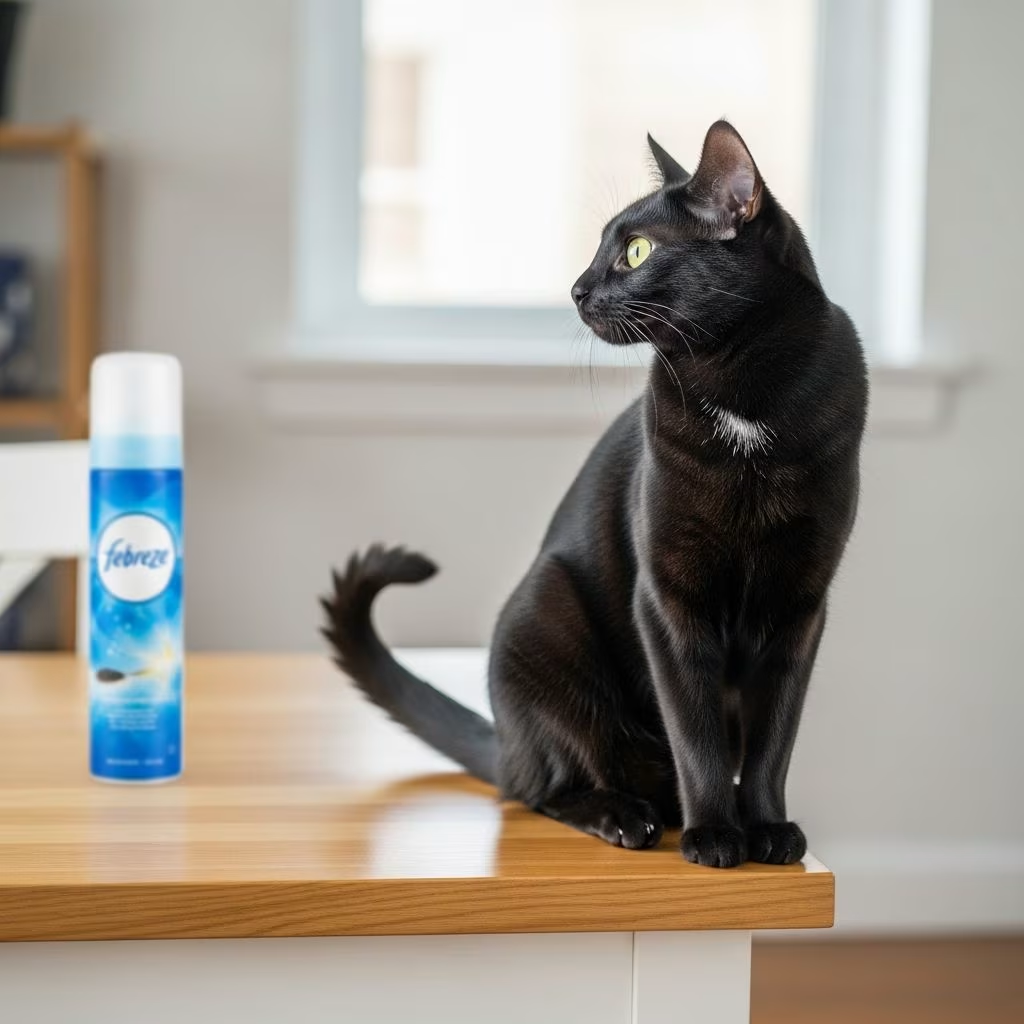
Febreze fabric refresher is widely used in households to eliminate odors from fabrics and air, but cat owners often wonder about its safety around their feline companions. According to the manufacturer and veterinary experts, Febreze is safe for cats when used as directed, primarily by allowing the spray to fully dry before pets access treated areas.
Cats have sensitive respiratory systems and grooming habits that can lead to ingestion of residues, making proper use essential. This comprehensive guide explores Febreze’s safety profile, backed by credible sources like the ASPCA and pet health organizations, while addressing common concerns, ingredients, usage tips, and alternatives.
How Does Febreze Work?
Febreze employs a unique molecular technology to trap and neutralize odor-causing compounds rather than merely masking them. The active ingredient, cyclodextrin—a sugar-derived compound—encapsulates volatile odor molecules, rendering them undetectable to the nose.
This science-based approach makes it effective for fabrics, upholstery, and as an air freshener. Available in various scents, all formulations are designed for household use, including homes with pets. The product dries quickly, typically within 10-20 minutes, minimizing exposure risks.
Febreze & Cat Safety
The ASPCA confirms that Febreze is safe for use around cats when directions are followed, specifically allowing the product to dry completely. Manufacturer Procter & Gamble states that their on-staff veterinarians and toxicologists have rigorously tested the product, deeming it safe for pets.
Key safety guidelines include:
- Spray only on fabrics or in the air, never directly on your cat.
- Ventilate the room during application.
- Wait 10-20 minutes or until fully dry before allowing cat access.
- Observe for signs of irritation like sneezing, coughing, watery eyes, or lethargy.
Discontinue use if any adverse reactions occur and consult a veterinarian. The National Animal Poison Control Center (NAPCC) has investigated rumors of pet deaths linked to Febreze and found no substantiated evidence; in examined cases, other causes like heartworm were identified.
Questionable Febreze Ingredients
Febreze lists its ingredients transparently on product labels and websites. The primary odor-eliminator is hydroxypropyl beta-cyclodextrin, which is generally recognized as safe. Other components include water, alcohols, fragrances, and preservatives.
Earlier formulations contained trace zinc chloride (less than 1%), approved by the FDA for pet foods in small amounts and used in human products like mouthwash. Modern versions use alternative drying agents.
While no ingredients are inherently toxic at diluted levels, risks arise from ingestion or prolonged wet exposure:
| Ingredient | Function | Cat Safety Notes |
|---|---|---|
| Hydroxypropyl beta-cyclodextrin | Odor trapper | Safe when dry; non-toxic if trace ingested |
| Fragrances | Scent | May irritate sensitive cats; monitor reactions |
| Denatured alcohol | Solvent | Evaporates quickly; avoid wet contact |
| Preservatives (e.g., benzisothiazolinone) | Anti-microbial | Low concentration; skin/eye irritant if undiluted |
Cats should never ingest Febreze. Grooming residues from sprayed beds or blankets can lead to gastrointestinal upset, vomiting, or more severe effects.
Avoid Skin Contact
Direct spraying on a cat’s fur is dangerous, potentially causing dermatitis, allergic reactions, or chemical burns. Wet product on skin prompts excessive grooming and ingestion.
Even indirect contact with damp fabrics risks paw or coat contamination. Symptoms of exposure include:
- Respiratory: Sneezing, wheezing, coughing
- Dermatological: Redness, itching, hair loss
- Gastrointestinal: Vomiting, diarrhea, drooling
- Neurological: Lethargy, tremors (rare, high exposure)
If ingestion occurs, contact a vet or pet poison hotline immediately. For non-emergencies, services like PangoVet offer online consultations. Birds should be removed from the room during use due to higher sensitivity.
Febreze Alternatives
For cautious cat owners, pet-specific products provide odor control without synthetic chemicals. These are formulated and tested for animal safety:
- Nature’s Miracle Urine Destroyer: Enzymatic cleaner breaks down urine proteins; safe post-dry.
- ARM & HAMMER Super Scrub: Baking soda-based odor absorber; non-toxic and fragrance-free.
- PetSafe SSSCAT Spray: Motion-activated deterrent with pet-safe scent for litter areas.
- Essential Oil Diffusers (Pet-Safe): Vet-approved oils like lavender in moderation; avoid tea tree or eucalyptus.
- Vinegar-Water Spray: Natural deodorizer (1:1 ratio); rinse fabrics after use.
These alternatives maintain a fresh home while prioritizing cat health. Always check labels for ‘pet-safe’ certification.
Febreze Plugins & Other Variants
Febreze offers plugins, candles, and car fresheners. Fabric refreshers are vetted for pet safety, but plugins emit continuously—use sparingly in well-ventilated areas and monitor cats.
Labels universally state ‘Keep out of reach of children and pets’ to prevent ingestion. For plugins, manufacturer consultation is advised for multi-pet homes.
Frequently Asked Questions (FAQs)
Is Febreze safe for cats and dogs?
Yes, when used as directed and allowed to dry fully. Vets confirm safety for both species.
What if my cat shows irritation after Febreze use?
Move to fresh air, rinse affected areas with water, and contact a vet if symptoms persist beyond 30 minutes.
Can I spray Febreze on my cat’s bed?
Yes, but remove bedding, spray outdoors or in empty room, dry completely (20+ minutes), then return.
Are Febreze plugins safe around cats?
Use cautiously; ensure ventilation and pet access restriction during initial use. Consult manufacturer for specifics.
What are the best pet-safe odor eliminators?
Enzymatic cleaners like Nature’s Miracle or natural absorbers like baking soda.
Final Thoughts on Febreze and Cats
Febreze remains a convenient odor fighter for cat households when precautions are followed. Backed by ASPCA, NAPCC, and manufacturer testing, risks are minimal with dry usage. Prioritize ventilation, drying time, and observation to balance freshness and feline well-being. For sensitive cats, opt for alternatives to eliminate doubt.
References
- Is Febreze safe to use around my pets? — Dial A Vet. 2023-05-15. https://www.dialavet.com/vet-answers/febreze-safe-using-around-pets-4922
- Is Febreze Safe for Cats? Precautions & Alternatives — Catster. 2024-08-20. https://www.catster.com/cat-health-care/is-febreze-safe-for-cats/
- Is Febreze Toxic? (To Humans, Dogs, or Cats?) — The Filtery. 2023-11-10. https://thefiltery.com/is-febreze-toxic/
- FEBREZE IS SAFE AROUND PETS — NAIA Online. 2022-07-12. https://www.naiaonline.org/articles/article/febreze-is-safe-around-pets
- Creating a Safe Home for your Pet – Scents! — SPCA Singapore. 2024-03-05. https://spca.org.sg/campaigns/creating-a-safe-home-for-your-pet-scents/
- Is Febreze Safe for Pets? — Febreze Official. 2025-01-10. https://www.febreze.com/en-us/ingredients-safety/pet-safety



