

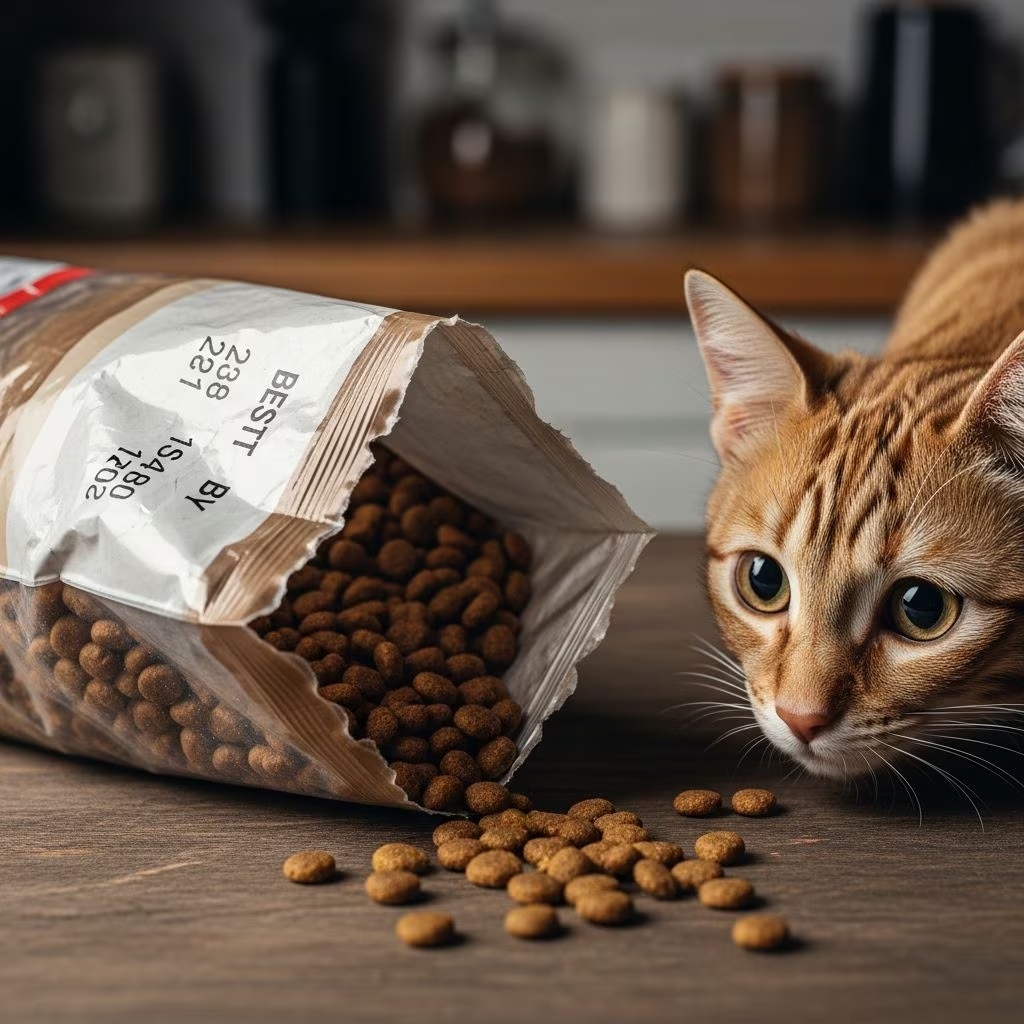
Cat food can last a long time on the shelf, but what happens when it’s past the printed date? Many cat owners wonder if expired cat food is safe to feed their pets. The short answer is no—expired cat food is not recommended. It poses significant health risks and loses nutritional value over time. This comprehensive guide breaks down the differences between expiration dates, shelf life by food type, dangers of feeding expired food, storage best practices, and how to spot spoilage. Drawing from veterinary insights and pet food safety standards, we’ll equip you with the knowledge to keep your cat healthy.
Understanding Cat Food Dates: Best Before vs. Expiry
Pet food labels often confuse owners with terms like “best before,” “use by,” and “expiry date.” These are not interchangeable, and knowing the difference is crucial for your cat’s safety.
The **best before** date indicates when the food is at peak quality and nutrition. Past this date, the food isn’t necessarily unsafe but may not deliver optimal vitamins, minerals, or flavor. Nutritional degradation occurs gradually, especially for sensitive nutrients like vitamins A, E, and B-complex, which break down with exposure to air, light, and heat.
In contrast, the **expiry date** marks the point where the manufacturer deems the food potentially unsafe due to increased risk of bacterial growth or chemical changes. Feeding past this date can lead to foodborne illnesses from pathogens like Salmonella or Listeria.
Always check the label carefully. Dates are based on manufacturer testing under ideal storage conditions. Real-world factors like heat or humidity accelerate decline.
- Best Before: Quality-focused; nutrition and taste may diminish.
- Expiry: Safety-focused; potential health hazards.
- Manufactured Date: Sometimes listed; add shelf life from brand guidelines.
How Long Does Cat Food Last? Shelf Life by Type
Shelf life varies widely by cat food type due to moisture content, preservatives, and processing. Dry kibble lasts longest unopened, while wet and raw foods spoil faster. Here’s a breakdown:
| Food Type | Unopened Shelf Life | Opened/Refrigerated | Notes |
|---|---|---|---|
| Dry Kibble | 12-18 months | 4-6 weeks | Store in airtight container; high-fat formulas rancidify faster. |
| Wet/Canned | 2-5 years | 2-3 days (covered in fridge) | Check for swollen cans; discard if sour-smelling. |
| Raw/Fresh-Frozen | Up to 12 months frozen | 5 days thawed | No preservatives; highest spoilage risk. |
| Freeze-Dried | Similar to dry (12+ months) | Follow package | Rehydrates; pantry-stable unopened. |
| Semi-Moist | 6-12 months | 1-2 weeks | Preservatives degrade quickly. |
Preservative-free or high-fat foods expire faster. Heat-treated or pressurized foods extend shelf life but trade some nutrition. Fresh options like gently cooked and frozen meals preserve more nutrients but require strict handling post-thaw.
The Dangers of Feeding Expired Cat Food
Expired cat food is a major health risk. Even if unopened and looking fine, pathogens can proliferate, leading to food poisoning. Cats are particularly sensitive due to their small size and unique digestive systems.
Common symptoms include:
- Lethargy and weakness
- Fever
- Lack of appetite
- Vomiting
- Diarrhea
- Sunken eyes
- Tacky, dry gums
Beyond acute illness, long-term feeding of subpar food causes nutritional deficiencies. Vitamins oxidize, fatty acids go rancid (causing off-flavors and gut upset), and proteins break down. Kittens, seniors, and cats with conditions like kidney disease suffer most.
Inspect every batch: Look for mold, bugs, discoloration, or odd odors. Cats may refuse spoiled food—their keen sense of smell detects issues humans miss—but don’t rely on this alone.
How to Tell If Cat Food Has Gone Bad
Visual and sensory checks are your first line of defense. For dry food, bugs or clumping signal trouble. Canned food with rust, dents, or bulging lids indicates bacterial growth.
Key signs of spoilage:
- Unusual smell: Sour, rancid, or ammonia-like instead of meaty.
- Color changes: Fading, darkening, or unnatural hues.
- Mold or bugs: Visible growth or infestation.
- Texture issues: Slimy wet food or greasy/oily dry kibble.
- Cat refusal: Persistent avoidance.
For opened wet food, never leave out over 4 hours—bacteria like E. coli thrive in the danger zone (40-140°F). High humidity or heat speeds spoilage.
Best Practices for Storing Cat Food
Proper storage maximizes shelf life and safety. Follow these tips:
- Dry food: Airtight containers in cool, dry pantry (below 80°F). Label with open date and original expiry.
- Wet food: Refrigerate leftovers covered (fridge can or plastic wrap). Use clean spoons; discard after 2-3 days.
- Raw/fresh: Freeze portions; thaw in fridge overnight. Consume thawed within 5 days.
- General: Avoid garages, direct sun, or humid areas. Clean containers to remove residue.
Buy smaller bags for frequent turnover. Check brand sites for specifics, and monitor FDA recalls.
What to Do If Your Cat Food Is Expired
Don’t feed it—toss immediately. Even unopened expired food risks nutrient loss and contamination. Inform store managers of expired stock. Transition to fresh food gradually to avoid digestive upset. Consult a vet if your cat shows symptoms post-feeding.
Your cat deserves optimal nutrition for vitality, shiny coat, and strong immunity. Investing in fresh food prevents vet bills from illness.
Frequently Asked Questions (FAQs)
Q: Is it okay to feed cat food a little past the best before date?
A: A few days might be fine if stored perfectly and no spoilage signs, but nutrition declines. Err on caution—discard for safety.
Q: How long can opened dry cat food last?
A: 4-6 weeks in airtight storage. High-fat kibble spoils faster.
Q: Can cats get sick from expired wet food?
A: Yes, rapidly due to moisture promoting bacteria. Refrigerate and use within 2-3 days.
Q: What’s the shelf life of raw cat food?
A: Frozen: up to 12 months. Thawed: 5 days max in fridge.
Q: Should I buy smaller bags to avoid expiration?
A: Yes, ensures freshness and reduces waste. Check dates at purchase.
References
- Is Expired Cat Food Safe? Vet-Verified Info & Feeding Advice — Catster. 2023-10-15. https://www.catster.com/cat-health-care/is-expired-cat-food-safe/
- What Happens When Cat Food Expires? — PetPlace.com. 2024-05-22. https://www.petplace.com/article/cats/vet-qa-parent/vet-qa/what-happens-when-cat-food-expires
- Pet Food Recalls and Safety Guidelines — U.S. Food and Drug Administration (FDA). 2025-01-10. https://www.fda.gov/animal-veterinary/safety-health/recalls-withdrawals
- Cat Food Expiration Dates: Tips for Food Safety and Storage — Cats.com. 2024-08-05. https://cats.com/cat-food-expiration-dates
- Food Safety for Pets: Expiration and Storage — Association of American Feed Control Officials (AAFCO). 2024-11-20. https://www.aafco.org/Consumers/Contaminants-and-Toxins



