

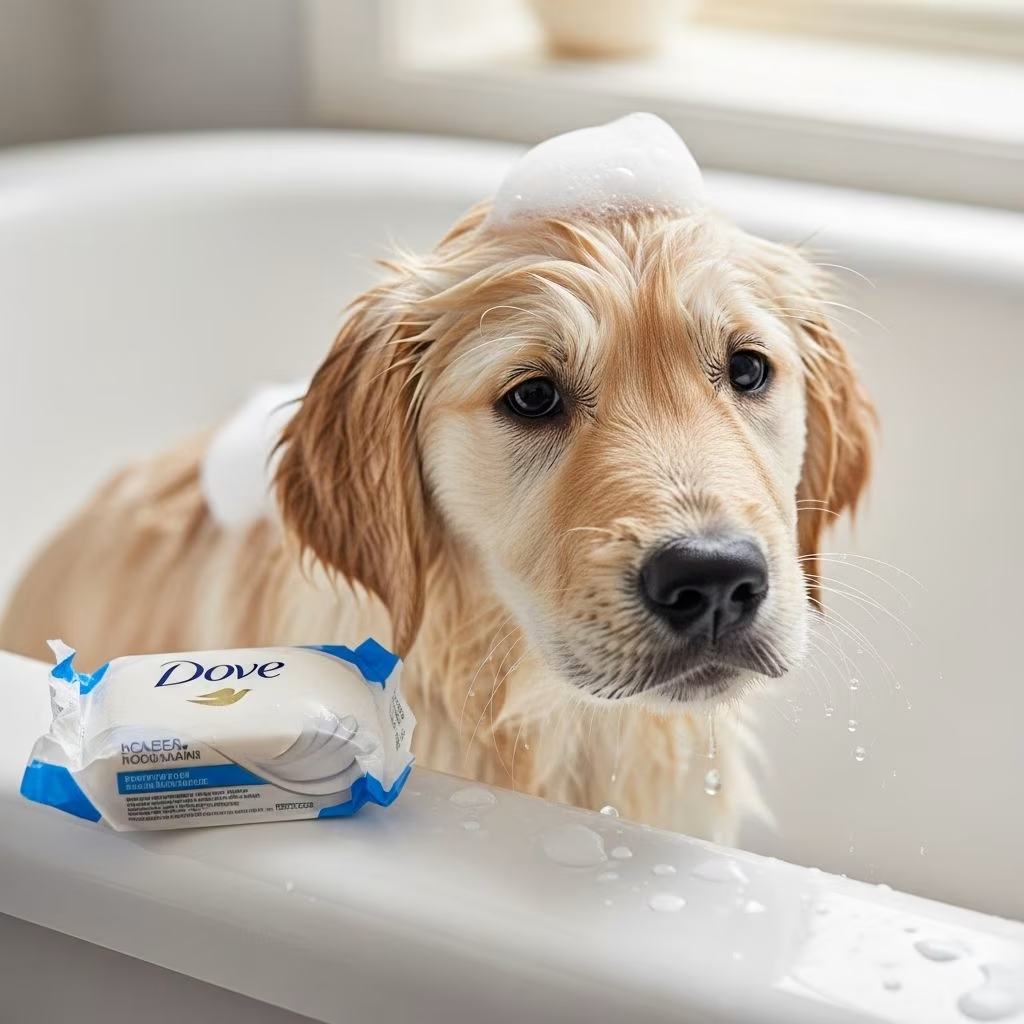
Dove soap, a popular choice for human skin due to its moisturizing properties, is not safe for use on dogs. Its formulation, designed for human pH levels around 4.0-6.0, disrupts the dog’s natural skin barrier, which ranges from 5.5-7.5, leading to dryness, irritation, and increased infection risk.
Why Human Products Fail Canine Skin
Dogs possess a unique skin microbiome and protective acid mantle that human soaps like Dove cannot maintain. These products often contain alkaline bases or synthetic additives that strip essential oils, causing itchiness and dull coats. Veterinary experts emphasize that even mild human soaps alter the skin’s pH, making it vulnerable to bacteria and parasites.
The outer layer of a dog’s skin relies on a balanced pH to retain moisture and fend off pathogens. When exposed to Dove’s creamy lather—formulated with sodium lauroyl isethionate and glycerin—it becomes flaky and prone to allergies. Short-term use might seem harmless, but repeated baths exacerbate issues, as noted by grooming professionals.
Harmful Ingredients Lurking in Everyday Soaps
Many household soaps, including Dove variants, include preservatives and surfactants unsuitable for pets. Key offenders include:
- Sodium Laureth Sulfate (SLES): A foaming agent contaminated with carcinogens like 1,4-dioxane during production, irritating eyes and skin.
- Parabens and Formaldehyde Releasers: Such as bronopol, diazolidinyl urea, and DMDM hydantoin, linked to allergies and potential cancer risks in animals.
- Propylene Glycol and PEGs: Penetration enhancers that carry toxins into the bloodstream, acting as skin and immune toxins.
- Artificial Fragrances and Dyes: Common triggers for contact dermatitis in sensitive canine breeds.
These chemicals, absent or minimized in pet formulas, accumulate over time, leading to chronic conditions. Opt for transparent labels to spot them early.
pH Balance: The Science Behind Safe Bathing
Understanding pH is crucial for pet owners. Human skin thrives at a slightly acidic 5.5, while dogs maintain a near-neutral 6.5-7.5 to support their thicker coat and oil glands. Soap bars like Dove, with higher alkalinity, neutralize this balance, washing away sebum and inviting dryness.
| Skin Type | Typical pH Range | Implications of Imbalance |
|---|---|---|
| Human | 4.0-6.0 | Dryness, weakened barrier |
| Dog | 5.5-7.5 | Irritation, infections, hot spots |
| Baby (Neutral) | ~7.0 | Occasional use only; rinse thoroughly |
Data from canine dermatology studies confirm that pH-balanced detergents preserve the acid mantle better than traditional soaps.
When Emergencies Call for Substitutes
In a pinch without dog shampoo, plain water or a diluted apple cider vinegar rinse (1:10 ratio) gently cleans without harm. Baby shampoo with neutral pH works for short-haired breeds or puppies but requires complete rinsing to avoid residue buildup. Never rely on these long-term—invest in pet-specific products promptly.
Choosing the Right Dog Shampoo
Select shampoos labeled ‘pH-balanced for dogs’ with natural moisturizers like aloe vera or oatmeal. Certified organic options undergo rigorous scrutiny for purity, avoiding contaminants from harvest to packaging. Consider your dog’s needs:
- Puppies/Sensitive Skin: Hypoallergenic, tear-free formulas.
- Itchy or Allergy-Prone: Medicated with hydrocortisone or antifungal agents (vet-prescribed).
- Long-Coated Breeds: Detangling, conditioning shampoos.
- Odor Control: Probiotic-based without harsh sulfates.
Storage matters: Keep in cool, dry places to prevent bacterial growth in expired products.
Step-by-Step Guide to Safe Dog Bathing
- Prepare Tools: Lukewarm water, dog brush, towels, and pH-balanced shampoo.
- Brush First: Remove loose fur to prevent matting.
- Wet Thoroughly: Use filtered water to avoid mineral buildup that dries skin.
- Lather Gently: Massage into coat, avoiding eyes and ears.
- Rinse Completely: Residue causes itching; use conditioner if needed.
- Dry Properly: Towel off or low-heat dryer; air-dry for thick coats.
Bathe every 4-12 weeks, more for active outdoor dogs, per ASPCA guidelines. Overbathing strips oils, so frequency aligns with lifestyle.
Signs Your Dog Needs a Vet After Bathing
Monitor for redness, excessive scratching, hot spots, or greasy fur post-bath. These signal pH disruption or allergies. Breeds like Bulldogs or Shar-Peis, with skin folds, are especially susceptible. Consult a vet for persistent issues—early intervention prevents infections.
Natural Alternatives for Eco-Conscious Owners
DIY options include oatmeal soaks for soothing or coconut oil rinses for hydration. Commercial natural shampoos free of sulfates, parabens, and alcohols promote sustainability and pet wellness. Always patch-test new products.
Frequently Asked Questions
Can I use Dawn dish soap on my dog?
No—it’s highly alkaline and strips oils, better for oil spills than pets.
Is baby shampoo okay for dogs occasionally?
Yes, for mild cleanses on short coats, but rinse well and limit use.
How often should I bathe my dog?
Every 1-3 months, or more if dirty; adjust for breed and activity.
What if my dog hates baths?
Use waterless sprays or positive reinforcement; professional grooming helps.
Are all dog shampoos safe?
No—check for avoided ingredients like PEGs and consult vets for specifics.
Professional Grooming: A Safer Choice
Groomers use veterinary disinfectants and filtered water to minimize risks like cross-contamination. They sanitize tools post-use, especially for dogs with conditions, ensuring hygiene. For busy owners, this service maintains coat health without home hassles.
References
- Dog Shampoo Do’s and Don’ts: What to Watch Out For — GouGou Pets. 2023. https://gougoupets.com/blogs/news/dog-shampoo-dos-and-donts-what-to-watch-out-for
- Can I Wash My Dog With Soap? — American Kennel Club. 2024-01-15. https://www.akc.org/expert-advice/health/can-i-wash-my-dog-with-soap/
- 20 Dog Shampoo Ingredients To Avoid — Dogs Naturally Magazine. 2023-05-10. https://www.dogsnaturallymagazine.com/20-ingredients-dont-want-dogs-shampoo/
- Does Your Dog Groomer Work Safe & Smart? — Tidy Dog Pet. 2024. https://tidydog.pet/dog-grooming-safety-cleaning-and-disinfection/
- Use Human Shampoo for Cleaning Dogs? A guide — Happy Hounds Grooming. 2023-08-20. https://www.happyhoundsgrooming.com/use-human-shampoo-for-cleaning-dogs
- Sanitation for Safety: Avoiding Cross-Contamination — Groomer to Groomer. 2022-11-05. https://www.groomertogroomer.com/sanitation-for-safety-avoiding-cross-contamination/
- Dog Grooming Tips — ASPCA. 2025-03-12. https://www.aspca.org/pet-care/dog-care/dog-grooming-tips



