

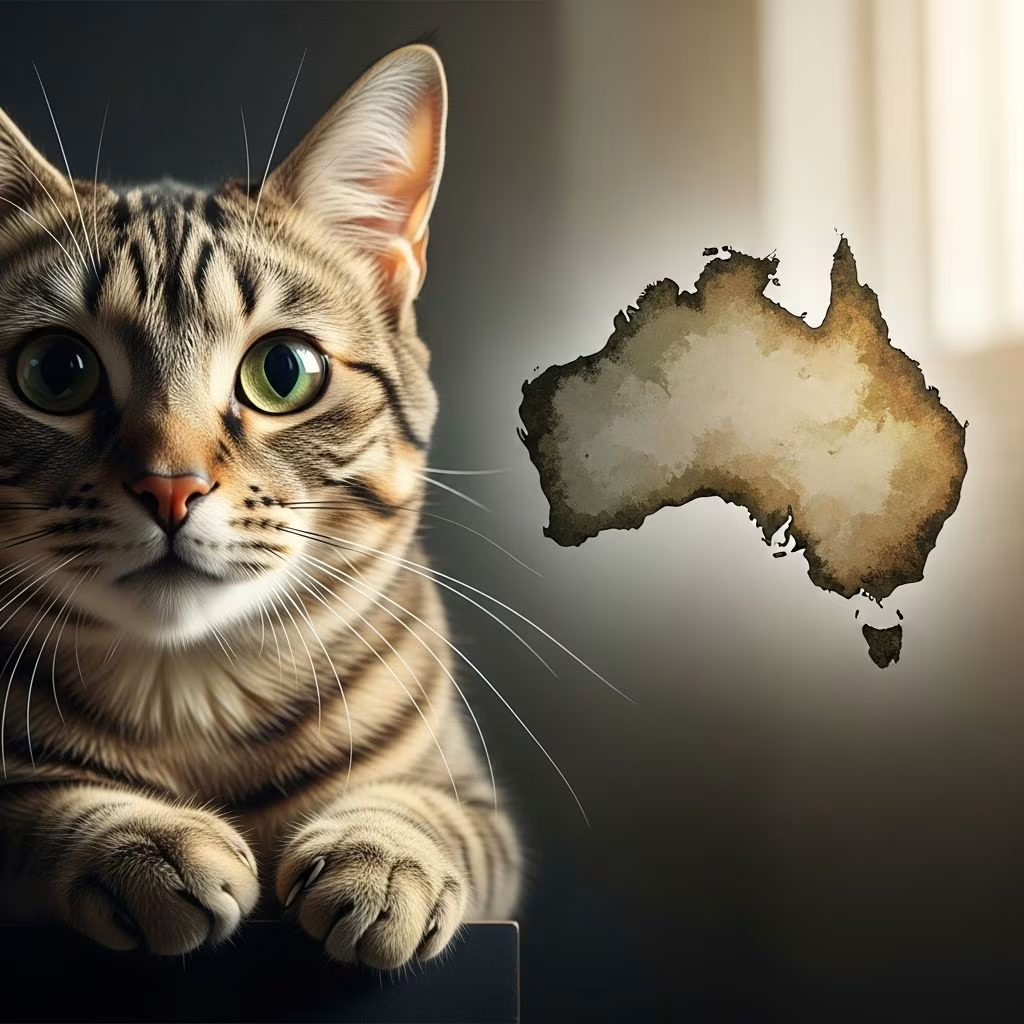
Declawing cats is illegal in Australia except in rare, medically justified cases due to its inhumane nature and severe lifelong impacts on feline health and behavior. This procedure, akin to amputating the first joint of each toe, is widely condemned by veterinarians as unethical and unnecessary, with most countries enforcing strict bans.
What Is Declawing?
Declawing, medically termed **onychectomy**, is not a simple nail trim but a surgical amputation removing the cat’s claws and the first phalanx (toe bone) to prevent regrowth. For humans, this equates to severing fingertips at the last joint, drastically impairing dexterity, balance, and sensory function.
Cats rely on their claws for essential activities: defense, climbing, hunting, stretching, and communication via scent-marking scratches. Post-declawing, cats face chronic pain, mobility issues, and behavioral changes like aggression, biting, house soiling, and litter avoidance.
Recovery is arduous; cats must walk on healing wounds, often using soft litter substitutes like newspaper, which can cause aversion to litter boxes and prolong suffering. Long-term, many experience neuropathic pain, arthritis-like symptoms, and reluctance to jump or play.
Is Declawing Cats Illegal in Australia?
Yes, **declawing is banned across Australia** as an unnecessary and cruel procedure, regulated at the state level with no federal prohibition. Veterinarians refuse elective declawing, viewing it as unethical; it’s only permissible in exceptional circumstances “in the cat’s best interest,” such as untreatable medical conditions.
Australian vets unanimously recommend alternatives for scratching issues, emphasizing training and environmental enrichment over surgery. The ban reflects growing global recognition of declawing’s harm, prioritizing animal welfare.
When Can You Declaw a Cat in Australia?
Exceptions are narrow and vet-discretionary, requiring exhaustive proof of prior humane interventions. Legal scenarios include:
- A signed declaration that the cat faces euthanasia without declawing (e.g., severe property damage or wildlife killing despite training).
- Documented repeated massive damage to property after failed prevention attempts.
- Persistent wildlife predation unresponsive to deterrents.
- Potential for serious harm (e.g., to immunocompromised owners), backed by past aggressive behavior and official declarations.
- Medical necessity: Amputation for infections, tumors, or injuries where no lesser treatment suffices.
Even then, vets demand evidence of behavioral modification efforts first. Routine requests for furniture protection are denied.
What Are the Legal Requirements for Declawing in Australia?
State laws vary slightly but align on prohibition:
| State/Territory | Key Provisions |
|---|---|
| New South Wales | Allowed if cat would be euthanized for property damage or wildlife killing (Prevention of Cruelty to Animals Act). |
| Queensland, Victoria, etc. | Banned unless medically necessary or extreme welfare threats; vet must justify. |
| Tasmania, WA, SA, NT | No outright ban but vets ethically refuse; regulated against cruelty. |
Vets document all attempts at alternatives, often requiring owner affidavits or authority letters. Non-compliance risks veterinary board sanctions.
Will Vets Still Declaw Cats in Australia?
Rarely; ethical vets prioritize welfare and decline unless criteria are met. They collaborate on training first, using scratching posts, trims, and caps. Only extreme cases (e.g., life-threatening aggression) proceed, with full legal paperwork.
Australian Veterinary Association guidelines reinforce this stance, promoting non-surgical solutions.
What Countries Have Banned Cat Declawing?
Over **42 countries** ban elective declawing, allowing it only for medical reasons:
- Europe: UK (Animal Welfare Act 2006 prohibits non-medical bone/tissue interference), Germany, France, Italy, Switzerland, Norway, etc.
- Canada: All provinces except Ontario (pending reform); advocacy highlights pain and mobility loss.
- Australia: Nationwide ethical/vet ban with exceptions.
- Others: Brazil, Israel, UAE, New Zealand, Japan (rarely performed).
The US lags: Legal in most states, but banned in New York (2019), Maryland (2022), California (Jan 1, 2026), with more pending (e.g., Minnesota 2025). Momentum grows via groups like The Paw Project.
What Are the Alternatives to Declawing?
Humane, effective options abound:
- Scratching Posts/Mats: Place near targeted furniture; use sisal, cardboard, or carpet textures. Reward use with treats/praise.
- Nail Trims/Caps: Regular clipping; vinyl caps (4-6 weeks duration) in fun colors prevent damage without pain.
- Training: Redirect scratching, use deterrents (sticky tape, citrus sprays) on furniture.
- Environmental Enrichment: Multiple posts for multi-cat homes; pheromone diffusers reduce stress scratching.
- Soft Paws/Trimming Tools: Safe, non-invasive claw management.
Most cats adapt quickly; consult vets for tailored plans.
Why Do Cats Scratch, Anyway?
Scratching is instinctual for claw maintenance, marking territory (scent glands in paws), stretching muscles, and signaling mood. Kittens learn from mothers; unmet needs cause furniture targeting. Address via proper posts and routine play.
Declawing Pros and Cons
| Pros | Cons |
|---|---|
| Prevents furniture/human scratches (short-term). | Painful recovery; chronic neuropathic pain. |
| May protect immunocompromised owners (rare). | Behavioral issues: biting, litter avoidance, aggression. |
| Balance/mobility loss; inability to climb/defend. | |
| Unethical; illegal in most nations. |
**Verdict:** Cons overwhelmingly outweigh pros; alternatives superior.
Frequently Asked Questions (FAQs)
Q: Is declawing just removing nails?
No, it’s full amputation of the last toe bone, causing lifelong pain and disability.
Q: Can I declaw my cat for furniture scratching in Australia?
No, illegal unless proven last resort after failed alternatives and euthanasia threat.
Q: Are there any states where declawing is fully legal?
No blanket legality; all regulate strictly, with ethical bans prevailing.
Q: Do nail caps work as well as declawing?
Yes, they prevent damage painlessly, lasting 4-6 weeks; cats tolerate them well.
Q: Why is the US not banning declawing?
Varies by state; several bans enacted (NY, MD, CA 2026), more pending amid advocacy.
Q: What if my cat kills wildlife?
Try indoor-only living, deterrents first; declawing only if euthanasia imminent.
Declawing offers no ethical solution; prioritize training and welfare for a happy cat-home harmony.
References
- Declawing cats – An unethical practice — Vets Choice, Guild Insurance. 2023. https://vetschoice.guildinsurance.com.au/pet-care/declawing
- Is Declawing Cats Illegal in Australia? Vet-Verified Facts — Catster. 2024-10-15. https://www.catster.com/cat-health-care/is-declawing-cats-illegal-in-aus/
- Good news to start 2026: These laws are now in place for animals — Humane World. 2026-01-01. https://www.humaneworld.org/en/blog/2026-new-laws-animals
- Declawing Cats — Pet Professional Guild Australia. 2023. https://ppgaustralia.net.au/Owners/Advice/Cats/Declawing-Cats
- Onychectomy — Wikipedia (citing primary laws/acts). 2025. https://en.wikipedia.org/wiki/Onychectomy



