

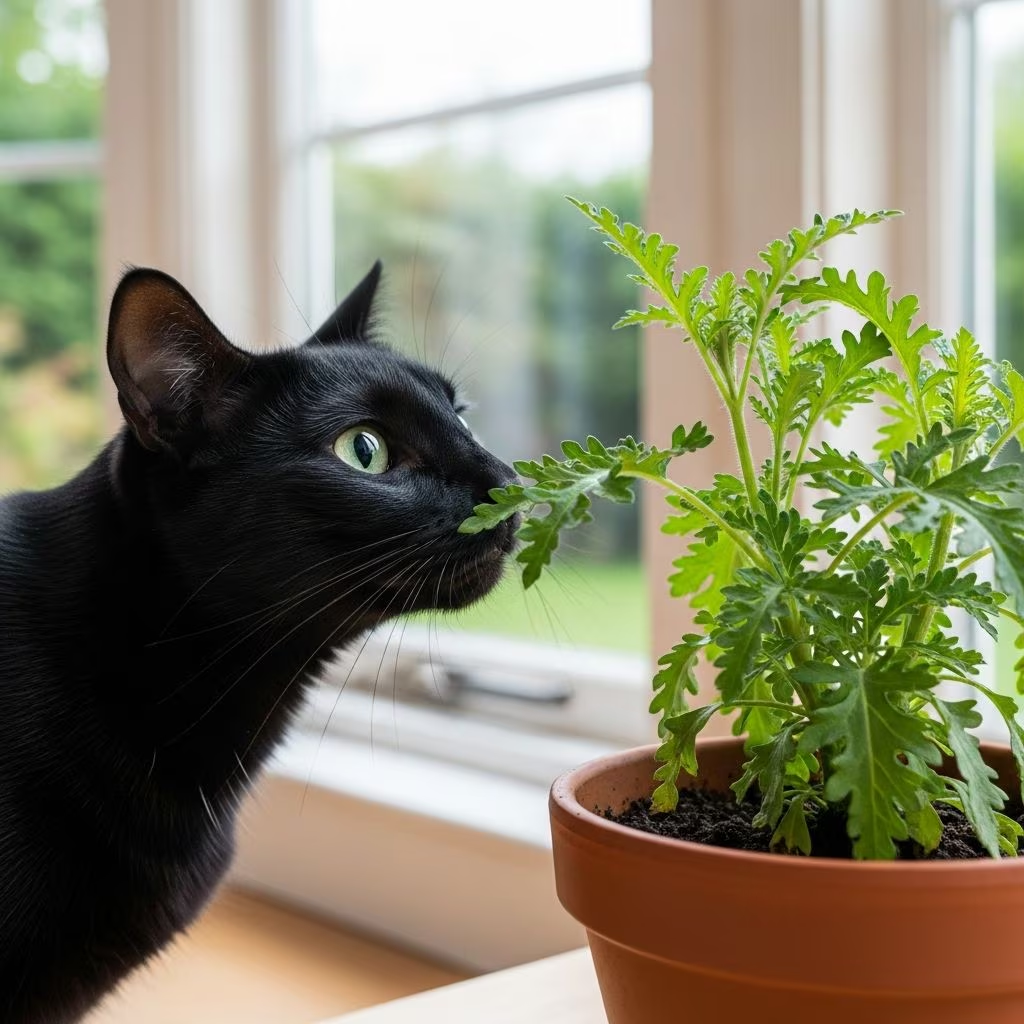
Citronella is a popular natural insect repellent with a fresh citrus scent that many enjoy around homes and gardens. However, cat owners must exercise caution, as various citronella products pose risks to felines due to their unique metabolism. Cats lack certain liver enzymes to process essential oils effectively, making concentrated forms potentially toxic. This article explores the safety of citronella in different forms, symptoms of exposure, safer alternatives, and expert advice to keep your cat protected.
What Is Citronella?
Citronella refers to oils extracted from lemongrass species like Cymbopogon nardus or Cymbopogon winterianus, commonly used in repellents, candles, and plants. The plant itself emits a strong citrus aroma that deters mosquitoes, but processed products vary in concentration and risk. While humans appreciate its scent and efficacy, cats’ sensitivity to phenols and terpenes in these oils raises safety concerns. Veterinary sources emphasize that exposure levels determine harm, with low doses often tolerable but high concentrations dangerous.
The distinction between the citronella plant, diluted sprays, and pure essential oils is crucial. Plants grown in gardens are generally non-toxic if not ingested in large quantities, but oils and geranium varieties marketed as ‘citronella’ can be harmful. Scented geraniums (Pelargonium citrosum), often confused with true citronella, contain toxic compounds that affect pets.
Is Citronella Toxic to Cats?
Citronella essential oil is toxic to cats, particularly in concentrated forms, due to their inability to metabolize it efficiently. Exposure via skin absorption, ingestion, or inhalation can lead to serious health issues. Veterinary experts note that while brief, low-level exposure from diluted products may cause only mild irritation, undiluted oils risk severe reactions including liver damage.
Symptoms of citronella toxicity in cats include:
- Vomiting and diarrhea
- Excessive drooling
- Lethargy or wobbling (ataxia)
- Respiratory distress, coughing, or sneezing
- Tremors or low heart rate
- Low body temperature
- Potential liver or kidney failure in severe cases
Monitor your cat closely after any exposure. Provide fresh air, water, and ventilation. If symptoms appear, contact a veterinarian immediately, as early intervention can prevent complications.
Citronella Essential Oil
Pure citronella essential oil is highly concentrated and unsafe for cats in any application—topical, oral, or diffused. Cats absorb it rapidly through skin or mucous membranes, and their livers cannot break down the phenolic compounds, leading to buildup and toxicity. Diffusers are especially risky indoors, as vapors concentrate and cats may inhale them unknowingly.
Even diluted oils require extreme caution; veterinary advice recommends avoiding them entirely around cats. Some sources suggest heavy dilution (e.g., 1% or less) might be tolerated by monitoring reactions, but most experts advise against it due to variability in individual cat sensitivity. If using any oil, place it far from your cat’s areas and ensure excellent ventilation.
Citronella Candles
Burning citronella candles outdoors in well-ventilated gardens is generally safer if your cat avoids the area. The scent may naturally repel cats, reducing exposure. However, indoor use is not recommended, as fumes accumulate in enclosed spaces, increasing inhalation risks and potential respiratory irritation.
Key precautions for candles:
- Use only outdoors away from cat zones.
- Never leave burning unattended.
- Extinguish if cat shows interest or distress.
- Opt for natural wax over paraffin to minimize additional toxins.
Low exposure from occasional outdoor candles is unlikely to harm most cats, but sensitive individuals may exhibit sneezing or coughing.
Garden Torches
Citronella garden torches often contain higher oil concentrations than candles, amplifying risks. Keep cats distant from lit torches, as fumes or spilled fuel can cause breathing issues, skin irritation, or gastrointestinal upset if licked off fur. Spills pose immediate dangers—clean promptly and restrict access.
Safe usage tips:
- Position torches in low-cat-traffic areas.
- Supervise outdoor time during use.
- Avoid if your cat roams freely in the yard.
While effective against bugs, prioritize pet safety over convenience.
Citronella Plants
True citronella grass (lemongrass varieties) is relatively safe as a garden plant; cats may nibble leaves without severe effects, though large ingestion could cause mild stomach upset. However, ‘citronella geraniums’ or scented geraniums are toxic, containing oils that irritate the digestive system and skin.
Planting advice:
- Choose true citronella grass over geraniums.
- Place pots elevated or in cat-free zones.
- Discourage chewing with deterrents like citrus peels.
Gardens with these plants can enhance pest control without direct risks if managed properly.
Citronella Sprays and Incense
Diluted citronella sprays for fabrics or yards are safer in low doses but monitor for reactions like drooling or vomiting. Avoid direct spraying near cats. Incense, whether sticks or cones, releases concentrated fumes akin to candles—keep cats away, especially indoors, to prevent irritation or headaches.
Ventilation is key: open windows and doors disperse particles faster, reducing buildup.
Safe Alternatives to Citronella for Mosquito Repellent
Protect your home from mosquitoes without risking your cat’s health using these vet-recommended options:
- Pet-safe repellents: EPA-approved products with oil of lemon eucalyptus (PMD) for humans, kept away from pets.
- Natural plants: Lavender, marigolds, or basil—non-toxic and bug-repelling.
- Fans and screens: Air circulation disrupts mosquitoes mechanically.
- DEET-free lotions: Apply only to human skin, not pets.
- Vinegar or garlic sprays: Diluted homemade versions for yards.
Always check labels for ‘pet-safe’ claims and consult vets for breed-specific advice.
What to Do If Your Cat Is Exposed
Act swiftly on exposure:
- Remove cat from area and ventilate.
- Wipe fur with damp cloth if contacted; do not use soaps initially.
- Offer water; do not force vomit.
- Call vet or pet poison hotline (e.g., ASPCA) with product details.
- Monitor 24-48 hours for delayed symptoms like lethargy.
Urgent care is vital for breathing issues or seizures.
Prevention Tips
Minimize risks proactively:
- Store products securely.
- Use in cat-absent rooms or outdoors.
- Choose cat-friendly repellents.
- Educate household on pet sensitivities.
- Regular vet check-ups for early detection.
Proactive habits ensure safe summers for all.
Frequently Asked Questions (FAQs)
Is citronella oil safe for cats?
No, citronella essential oil is toxic to cats and should be avoided.
Are citronella candles safe around cats?
Outdoor use in ventilated areas is low-risk if cats stay away; avoid indoors.
What happens if my cat inhales citronella?
May cause coughing, sneezing, or worse; ventilate and watch for symptoms.
Is the citronella plant toxic to cats?
True plants are mildly safe; geranium varieties are not—keep elevated.
Can I use citronella spray near my cat?
Use diluted sprays sparingly with monitoring; prefer alternatives.
What are cat-safe mosquito repellents?
Pet-friendly options like screens, fans, or plant-based non-oils.
Wrapping It Up
Citronella offers effective bug control but requires caution around cats. Essential oils and concentrated products are toxic—opt for safer forms like outdoor candles or plants with supervision. Prioritize your cat’s health by choosing alternatives and acting fast on exposures. Consult vets for personalized advice to enjoy pest-free living safely.
References
- Accidentally used citronella spray near the cat, will it harm them? — Dial A Vet. 2023. https://www.dialavet.com/vet-answers/citronella-spray-effect-on-cats-25247
- What Essential Oils Do Cats Hate? — Rocky Mountain Oils. 2023. https://www.rockymountainoils.com/blogs/essential-oil-basics/what-essential-oils-do-cats-hate
- Is Citronella Oil Safe for Cats? — Nikura. 2023-12-01. https://nikura.com/blogs/living-well/is-citronella-oil-safe-for-cats
- Is Citronella Safe for Cats? Vet-Approved Facts & FAQ — Catster. 2023. https://www.catster.com/lifestyle/is-citronella-safe-for-cats/
- Pet-friendly mosquito repellents (that humans can use too) — Animal Humane Society. 2023. https://www.animalhumanesociety.org/resource/pet-friendly-mosquito-repellents-humans-can-use-too
- Pets And Citronella Geraniums – Is Citronella Toxic To Pets — Gardening Know How. 2023. https://www.gardeningknowhow.com/edible/herbs/scented-geranium/pets-and-citronella-geraniums.htm



