

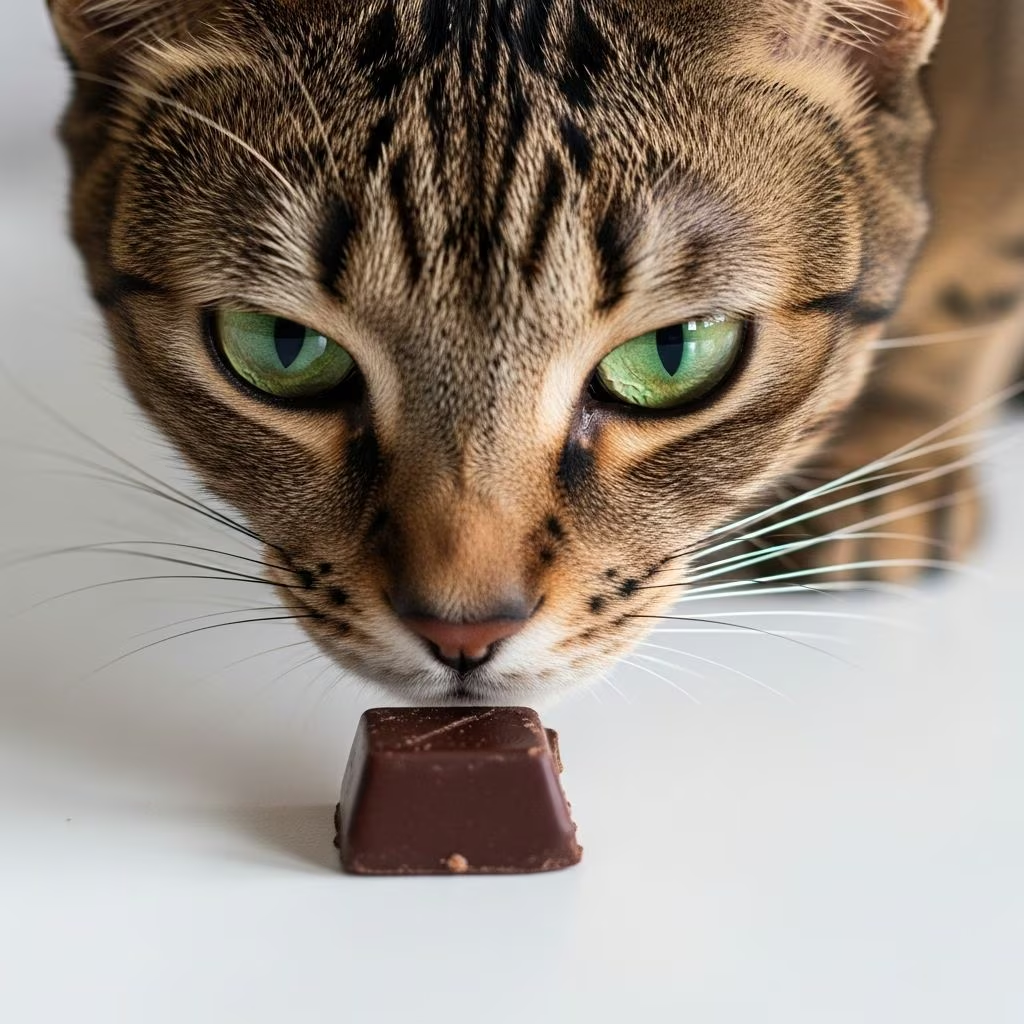
Chocolate poses a serious threat to cats because it contains compounds like theobromine and caffeine that their bodies cannot process effectively, leading to toxic buildup and potentially life-threatening conditions. Even minimal ingestion can trigger vomiting, rapid heart rate, or seizures, making it essential for cat owners to keep all chocolate products completely out of reach.
The Hidden Dangers in Chocolate for Felines
At the heart of chocolate’s toxicity lies theobromine, a bitter alkaloid derived from the cacao plant, alongside smaller amounts of caffeine—both classified as methylxanthines. Cats’ livers lack the enzymes needed to break these down quickly, unlike humans who metabolize them efficiently; as a result, these stimulants linger in the bloodstream, overstimulating the central nervous system, heart, and muscles.
This metabolic inefficiency means even tiny quantities can accumulate to dangerous levels. For instance, dark varieties pack the highest punch due to elevated cocoa content, while even white chocolate’s high fat and sugar can upset digestion despite lower theobromine. Pet health experts emphasize that no chocolate is benign for cats, urging immediate vigilance in households with these treats.
Ranking Chocolate Varieties by Risk Level
Not all chocolates carry the same peril, but all remain hazardous. The concentration of toxic methylxanthines directly correlates with cocoa solids present. Here’s a breakdown:
| Chocolate Type | Theobromine Level | Risk to Cats |
|---|---|---|
| Cocoa Powder | Highest | Extremely dangerous; smallest amounts can poison |
| Baking Chocolate | Very High | Concentrated toxin; fatal in grams |
| Dark Chocolate | High | Severe symptoms likely even in moderate ingestion |
| Milk Chocolate | Moderate | Still toxic; causes upset and escalation |
| White Chocolate | Lowest | Minimal theobromine but fat/sugar induces vomiting |
This hierarchy underscores why storage in high, secure spots is non-negotiable, as curious cats may access holiday stashes or forgotten bars.
Recognizing Signs of Chocolate Toxicity
Symptoms emerge rapidly, often within 1-2 hours for caffeine effects and longer for theobromine, varying by dose, type, and cat’s size. Initial mild reactions include:
- Vomiting and diarrhea
- Restlessness or hyperactivity
- Excessive thirst and urination
- Rapid breathing or panting
As toxicity worsens, critical issues arise:
- Irregular or elevated heart rate
- Muscle tremors and rigidity
- Seizures or coma
- Low blood pressure and weakness
These escalate to organ strain, including potential liver failure, with smaller or unhealthy cats at higher vulnerability. Prompt observation post-exposure is vital, as delays compound damage.
Factors Influencing Toxicity Severity
No universal “safe” threshold exists; toxicity hinges on multiple variables. A 10-pound cat might suffer from under ½ ounce of semi-sweet or 1¾ ounces of milk chocolate. Key influencers include:
- Chocolate potency: Higher cocoa means faster onset.
- Cat’s body weight: Smaller felines succumb quicker.
- Pre-existing health: Liver or heart conditions amplify risks.
- Ingestion volume: Cumulative small exposures build danger.
Vets note that while dogs often raid chocolate, cats’ disinterest doesn’t preclude accidents from counter-surfing or gifts.
Immediate Response if Your Cat Consumes Chocolate
Act swiftly—do not wait for signs. Contact your veterinarian or a pet poison hotline like the ASPCA Animal Poison Control Center at (888) 426-4435 immediately. Provide details on chocolate type, estimated amount, cat’s weight, and timing.
Treatment may involve:
- Inducing vomiting if recent (under vet guidance)
- Activated charcoal to bind toxins
- IV fluids for hydration and flushing
- Medications for heart rhythm, seizures, or agitation
- Hospitalization for monitoring
Early intervention dramatically improves outcomes, preventing fatality even from substantial ingestions. Home remedies like milk or hydrogen peroxide are dangerous without professional advice.
Preventing Accidental Exposure
Proactive measures safeguard your cat:
- Store all chocolate in cat-proof cabinets or high shelves.
- Educate household members, especially during holidays.
- Opt for cat-safe treats like freeze-dried meat or commercial feline goodies.
- Supervise guests bringing confections.
- Maintain a toxin-free environment, checking for hidden cocoa products.
Awareness extends to baked goods, hot cocoa, or chocolate-scented items, as traces suffice for harm.
Debunking Common Myths About Cats and Chocolate
Myths persist, but facts clarify:
- Myth: Cats don’t like sweets, so they’re safe. True disinterest, but opportunity strikes.
- Myth: White chocolate is okay. No—fat content causes pancreatitis.
- Myth: Small licks won’t hurt. Any amount risks upset; escalation possible.
- Myth: Less toxic than for dogs. Still deadly; cats process slower.
These misconceptions endanger lives—treat chocolate as strictly off-limits.
Long-Term Health Implications
Surviving poisoning doesn’t mean full recovery; residual effects on heart, kidneys, or nervous system may linger, necessitating follow-ups. Repeated low-level exposure subtly erodes health, emphasizing prevention. Nutritionists recommend balanced, species-appropriate diets to bolster resilience against toxins.
Frequently Asked Questions
Can a tiny bit of chocolate harm my cat?
Yes—even licks provoke vomiting or worse; zero tolerance is safest.
How quickly do symptoms appear?
1-2 hours for caffeine, 6-12 for theobromine peak.
Is dark chocolate worse than milk?
Absolutely—higher theobromine concentration heightens lethality.
What if my cat seems fine after eating chocolate?
Delayed symptoms occur; consult vet regardless.
Are chocolate substitutes safe?
Many contain similar toxins or xylitol—verify ingredients.
Why Cats’ Unique Biology Matters
Felines’ obligate carnivore physiology, evolved for meat-based diets, rejects plant alkaloids like theobromine. This specialization demands human oversight to counter modern environmental hazards like chocolate, ensuring thriving companionship.
References
- No, Cats Cannot Eat Chocolate. Here’s Why. — GoodRx. 2023. https://www.goodrx.com/pet-health/cat/can-cats-eat-chocolate
- Is chocolate poisonous to cats? — Cats Protection. 2023. https://www.cats.org.uk/cats-blog/why-is-chocolate-poisonous-for-cats
- Is Chocolate Dangerous For Cats? — Brookhaven Animal Hospital. 2022-06-15. https://www.brookhavenanimalhosp.com/site/blog/2022/06/15/is-chocolate-dangerous-for-cats
- Can Cats Eat Chocolate? Here’s Everything You Need to Know — Pawlicy Advisor. 2023. https://www.pawlicy.com/blog/can-cats-eat-chocolate/
- Can Cats Eat Chocolate? A Guide to Safety — Purina. 2023. https://www.purina.com/articles/cat/feeding/can-cats-eat/chocolate
- Can Cats Eat Chocolate? What To Do if Your Cat Eats Chocolate — PetMD. 2023. https://www.petmd.com/cat/poisoning/can-cats-eat-chocolate



