

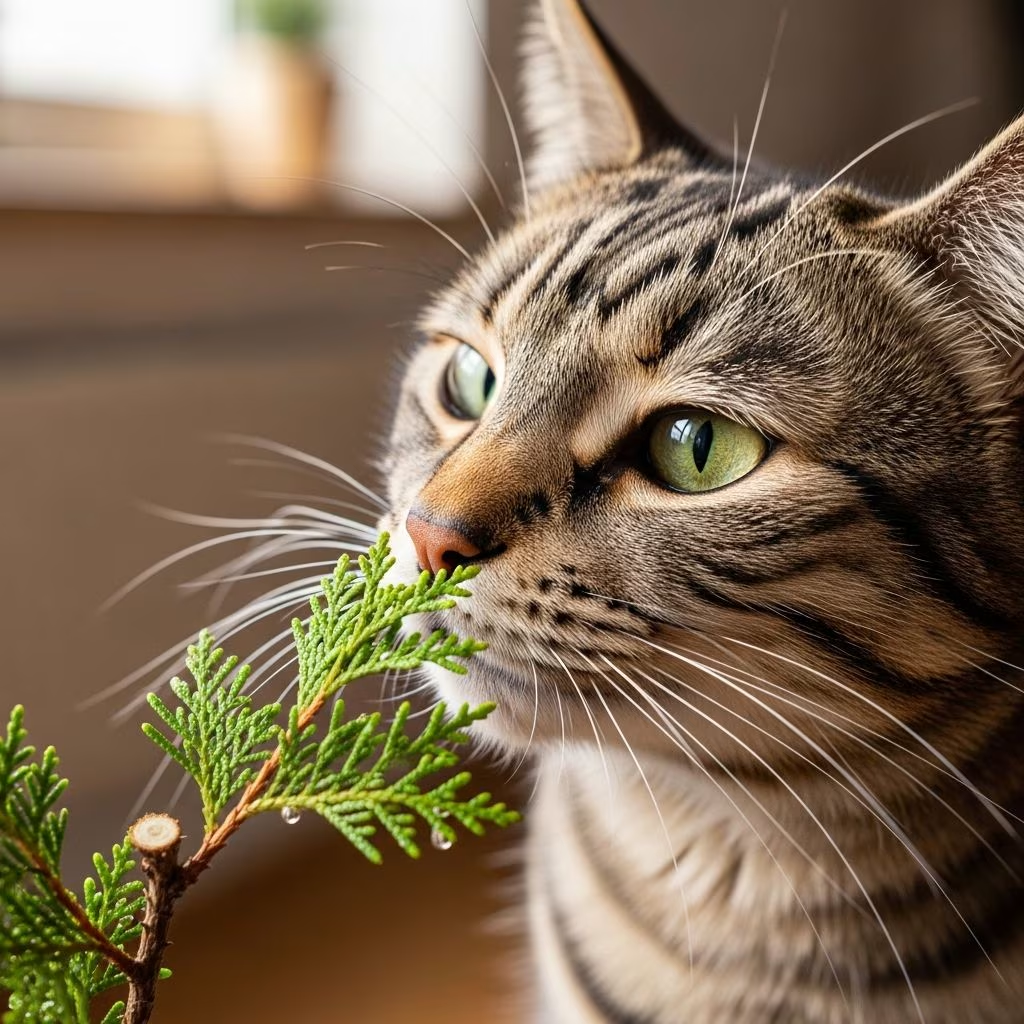
Cedar is a popular wood and plant used in homes, gardens, and products, but not all types are safe for cats. Certain cedars contain phenols and other compounds that cats cannot metabolize effectively, leading to toxicity risks ranging from mild gastrointestinal upset to severe neurological symptoms or death.
This comprehensive guide covers which cedars pose dangers, symptoms of poisoning, what to do if exposure occurs, prevention strategies, and safer alternatives to protect your feline companion.
Quick Answer: Which Types of Cedar Are Toxic to Cats?
Yes, specific cedar varieties are poisonous to cats due to high phenol content and other toxins. Eastern Red Cedar (Juniperus virginiana), Western Red Cedar (Thuja plicata), and White Cedar (Thuja occidentalis) are highly toxic, causing vomiting, diarrhea, seizures, and potentially fatal liver damage. Other types like Aromatic Red Cedar are generally safer in moderation but can still irritate sensitive cats.
- Toxic Cedars: Eastern Red Cedar, Western Red Cedar, White Cedar – Avoid entirely.
- Potentially Irritating: Aromatic Cedar wood chips or oils – Use cautiously and diluted.
- Safe in Small Amounts: Properly formulated cedar oils without excess phenols, but test first.
Why Is Cedar Toxic to Cats?
Cats lack certain liver enzymes (glucuronyl transferase) needed to break down phenols, common in many essential oils including those from toxic cedars. These compounds build up, damaging the liver, kidneys, and nervous system.
Western Red Cedar, for instance, is moderately to highly toxic; ingesting any part can trigger symptoms. Needles, bark, wood shavings, and oils are all hazardous. Even indirect exposure via cedar bedding or air fresheners poses risks as cats groom themselves.
| Cedar Type | Toxicity Level | Main Toxins | Common Uses |
|---|---|---|---|
| Eastern Red Cedar | High | Phenols, oils | Closets, crafts |
| Western Red Cedar | High | Thujone, phenols | Fencing, mulch |
| White Cedar | High | Essential oils | Landscaping |
| Aromatic Cedar | Low-Moderate | Low phenols | Pet bedding (diluted) |
Symptoms of Cedar Poisoning in Cats
Symptoms appear quickly after ingestion, inhalation, or skin contact, varying by exposure amount and cedar type. Mild cases involve GI upset; severe ones can lead to organ failure.
- Gastrointestinal: Vomiting (with/without blood), diarrhea, drooling, abdominal pain, anorexia.
- Neurological: Lethargy, tremors, seizures, incoordination, coma.
- Respiratory/Skin: Difficulty breathing, mouth irritation, pawing at mouth, skin redness.
- Other: Increased thirst/urination, abnormal heartbeat, hyperthermia.
In garden settings, cedar mulch or trees amplify risks during play. Kittens and small cats face higher dangers due to lower body mass.
What to Do If Your Cat Is Exposed to Cedar
Act fast: Remove cat from source, prevent grooming/licking. Do not induce vomiting without vet guidance, as it can worsen esophageal damage.
- Contact a vet or pet poison hotline (e.g., ASPCA Animal Poison Control) immediately.
- Provide details: Cedar type, amount ingested, time of exposure, symptoms.
- Monitor vitals; transport to clinic if severe signs appear.
Treatment may include activated charcoal, IV fluids, anti-nausea meds, bloodwork for organ function. Prognosis is good with early intervention; delays risk kidney/liver failure.
Preventing Cedar Exposure in Your Home and Yard
Proactive steps minimize risks:
- Indoors: Avoid cedar closets, blocks, or bedding. Opt for pine or paper litter.
- Garden: Replace cedar mulch with non-toxic options like shredded hardwood. Fence off toxic trees.
- Products: Skip cedar oils/sprays unless cat-safe (test patch first). Use vet-approved flea controls.
- Supervision: Watch cats outdoors; train to avoid plants.
Safe Alternatives to Cedar for Cat Owners
Choose these cat-friendly substitutes:
| Use Case | Toxic Cedar Replacement | Why Safe? |
|---|---|---|
| Moth Repellent | Lavender sachets, cedar-free blocks | No phenols; mild scent |
| Litter/Bedding | Pine shavings, corn litter | Low toxicity profile |
| Garden Mulch | Bark chips (non-cedar), straw | Non-irritating |
| Bug Repellent | Non-chemical, safe if dry |
For pest control, products like diluted, phenol-free cedar sprays can be safe if applied properly—mist hands, rub into fur, avoid face.
Cedar Oil and Cats: Special Considerations
Not all cedar oils are equal. Pure oils from toxic cedars are hazardous; some diluted blends are cat-safe for bug sprays but require sensitivity testing. Apply sparingly to fur, never directly or orally. Smaller cats may dislike the scent, causing stress.
FAQs
Is aromatic cedar safe for cat litter?
Aromatic cedar has lower phenols but can irritate; use sparingly or choose alternatives.
Can cats be around cedar trees outside?
Avoid toxic varieties like Western Red Cedar; symptoms from nibbling include severe upset.
What if my cat chewed cedar wood?
Monitor for vomiting/seizures; vet visit essential.
Is cedar mulch dangerous in yards?
Yes, highly—cats ingest via paws/grooming.
How to treat mild cedar exposure at home?
Remove source, offer water; vet for anything beyond drooling.
References
- Find Out if Cedar Oil is Toxic to Cats — Cedarcide. 2023. https://cedarcide.com/blogs/guides/cedar-oil-toxic-cats
- Full Toxin List — Cat Haven. 2023. https://www.cathaven.org/full-toxin-list
- Garden Plant Toxicity in Cats — PetMD. 2024. https://www.petmd.com/cat/poisoning/garden-plant-toxicity-in-cats
- Is Cedar Toxic to Cats? — Hepper. 2024. https://articles.hepper.com/is-cedar-toxic-to-cats/
- Is Western Red Cedar Poisonous — PictureThis. 2024. https://www.picturethisai.com/toxic/Thuja_plicata.html



