

Is Cedar Poisonous to Cats?
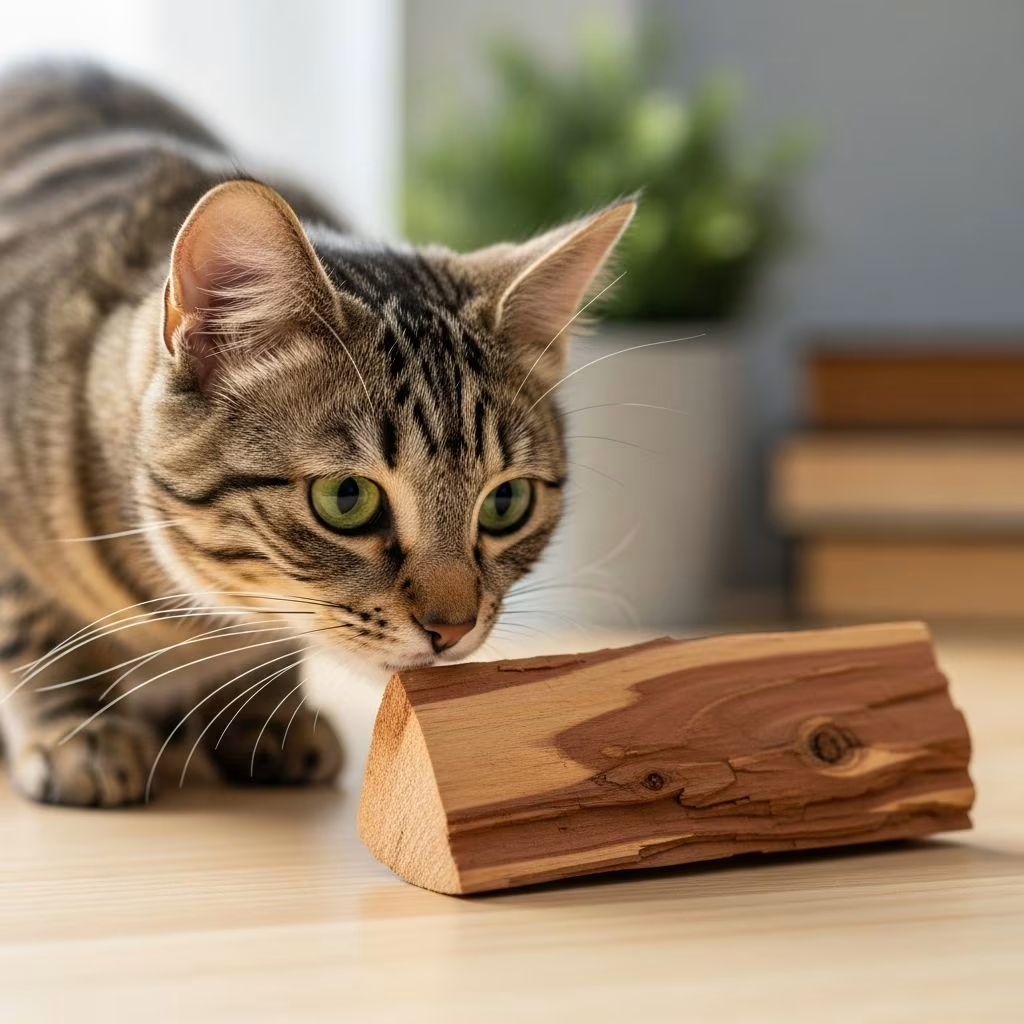
Cedar is a common ornamental plant found in many gardens and homes, but pet owners should be aware that certain types of cedar can pose health risks to their feline companions. While not all cedar varieties are equally toxic, some species contain compounds that can cause significant harm to cats if ingested or encountered. Understanding the differences between cedar types and recognizing potential dangers is essential for maintaining your cat’s safety and well-being.
Types of Cedar and Toxicity Levels
Not all cedar plants affect cats in the same way. The toxicity level depends on the specific species of cedar your cat encounters. The most dangerous varieties include Western red cedar, Eastern red cedar, and white cedar. These species are known to contain compounds that can trigger adverse reactions in felines.
Non-toxic cedar varieties pose minimal risk to cats when nibbled or ingested. These trees may cause only mild gastrointestinal upset, similar to what a cat might experience from consuming any unfamiliar plant material. However, the distinction between toxic and non-toxic varieties is crucial for pet safety.
Western red cedar is classified as moderately toxic to cats and can affect them if they ingest any part of the plant. Eastern red cedar and white cedar present similar risks and should be kept away from curious felines.
How Cedar Affects Cats
When cats come into contact with toxic cedar species, the effects can range from mild to severe depending on the amount ingested and the plant part consumed. Cedar contains various compounds that can trigger different physiological responses in felines.
The Smell Factor
Cats are highly sensitive to odors, and the strong scent that cedar emits can be particularly off-putting to many felines. While this natural aversion might protect some cats from consuming the plant, it does not apply universally. Some cats may still be attracted to cedar despite its pungent smell, particularly during play or exploration.
Physical Hazards from Cedar Needles
Beyond internal toxicity, cedar trees present physical dangers through their needles. These sharp structures can injure your cat’s eyes, skin, and mouth if the animal comes into contact with the branches. The needles may poke and prod sensitive areas, causing scratches or punctures that require veterinary attention.
Symptoms of Cedar Poisoning in Cats
If your cat has ingested non-toxic cedar varieties, you may notice mild gastrointestinal symptoms including upset stomach and digestive discomfort. However, ingestion of toxic cedar species like white cedar, Eastern red cedar, or Western red cedar can produce more severe reactions.
The symptoms of toxic cedar exposure may include:
- Gastrointestinal upset and digestive disturbances
- Vomiting and diarrhea
- Neurological signs such as seizures
- Lethargy and depression
- Loss of appetite
- Difficulty breathing
- Tremors or muscle weakness
These symptoms can manifest quickly after ingestion, making it important to seek immediate veterinary care if you suspect cedar toxicity.
Cedar Oil and Concentrated Toxins
While fresh cedar plant material carries certain risks, cedar oil represents a more concentrated and potentially more dangerous form of the plant’s toxic compounds. Cedar oil is extracted from the tree and concentrated, meaning that even small amounts can contain significant quantities of harmful substances.
Cedar oil poisoning can trigger more severe symptoms than ingestion of plant material alone. If your cat has consumed cedar oil or products containing cedar oil, immediate veterinary evaluation is essential. Do not delay in seeking professional medical attention in these cases.
What To Do If Your Cat Ingests Cedar
If you believe your cat has ingested cedar or cedar oil, take action promptly to protect your pet’s health.
Immediate Steps
- Remove your cat from the source of cedar immediately
- Do not attempt to induce vomiting without veterinary guidance, as this can sometimes cause additional harm
- Contact your veterinarian or pet poison control center right away
- If possible, bring a sample of the cedar or product your cat consumed to the veterinary appointment
- Provide your vet with information about the amount ingested and the time of exposure
Veterinary Treatment Options
Your veterinarian will determine the appropriate treatment based on the type and amount of cedar ingested, as well as your cat’s symptoms. Treatment approaches may include:
- Decontamination with activated charcoal to bind toxins in the stomach
- Supportive care including IV fluids for severe cases
- Medication to manage nausea, vomiting, and diarrhea
- Blood work and urinalysis to check for organ damage
- Hospitalization for severe poisoning cases
- Monitoring for delayed symptoms or complications
Mild cases may be treated on an outpatient basis with nausea medication and dietary management, while severe poisoning may require hospitalization and intensive monitoring.
Preventing Cedar Exposure
The most effective way to protect your cat from cedar poisoning is to prevent exposure in the first place. Consider these preventive strategies:
Home and Garden Safety
- Identify any cedar trees or plants in your yard and consider removal if they are toxic varieties
- Keep your cat indoors during times when you cannot supervise outdoor access
- Avoid bringing cedar branches or decorations into your home
- Do not use cedar-based products, oils, or aromatherapy diffusers in your home
- Store cedar oil and cedar-based cleaning products securely away from cat access
- Read product labels carefully to identify cedar content in household items
Monitoring Your Cat’s Behavior
Watch your cat’s behavior around plants and outdoor areas. If your cat seems interested in cedar or shows signs of chewing on plants, redirect their attention to appropriate toys and enrichment activities. Providing safe alternatives like cat grass can help satisfy your cat’s natural urge to nibble on vegetation.
When To Seek Emergency Veterinary Care
Certain signs indicate that your cat needs immediate emergency veterinary attention. Do not wait or attempt home treatment if your cat displays any of these symptoms:
- Severe vomiting or vomiting with blood
- Diarrhea with blood
- Seizures or convulsions
- Difficulty breathing or rapid, shallow breathing
- Loss of consciousness or unresponsiveness
- Severe lethargy or inability to move
- Abnormal heartbeat or pulse
- Signs of extreme pain or distress
These symptoms suggest serious poisoning requiring emergency intervention.
Understanding Cedar Toxicity Mechanisms
The toxic compounds in cedar work through different mechanisms to affect cats. Toxic cedar species contain substances that can damage the neurological and gastrointestinal systems. The severity of the reaction depends on several factors:
- The specific cedar species involved
- The amount of plant material or oil ingested
- Which parts of the plant were consumed (needles, bark, wood, or resin)
- Your cat’s age, weight, and overall health status
- Whether your cat has a history of plant sensitivity
Kittens and senior cats may be more susceptible to poisoning effects due to their developing or declining organ function.
Cedar Products and Household Items
Cedar is not only found in living plants. Many household products contain cedar or cedar oil, which can pose risks to cats. Common items containing cedar include:
- Aromatherapy diffusers and essential oils
- Natural cleaning products and disinfectants
- Wood stains and finishes
- Insect repellents and flea treatments
- Cedar closet liners and storage products
- Natural air fresheners
- Some pet bedding products (though less common)
Always check product labels and avoid bringing cedar-containing items into your home if you have cats.
Frequently Asked Questions
Q: Can all types of cedar harm my cat?
A: No. While Western red cedar, Eastern red cedar, and white cedar are toxic to cats, some non-toxic cedar varieties exist. The key is identifying which type of cedar is in your home or yard. When in doubt, consult your veterinarian or a local plant expert.
Q: Is cedar oil more dangerous than fresh cedar?
A: Yes. Cedar oil is a concentrated form of the plant’s toxic compounds, making it potentially more harmful than fresh plant material. Even small amounts of cedar oil can cause serious poisoning, so these products should be kept far away from cats.
Q: What should I do if my cat nibbles on a non-toxic cedar tree?
A: If your cat has only nibbled on a non-toxic cedar variety, mild gastrointestinal upset may occur. Monitor your cat for vomiting or diarrhea. If symptoms persist beyond a few hours or worsen, contact your veterinarian. Most cases resolve on their own with minimal intervention.
Q: How quickly do cedar poisoning symptoms appear?
A: Symptoms can appear within minutes of ingestion for some cats, particularly if neurological signs develop. In other cases, symptoms may develop more gradually. If you suspect cedar ingestion, do not wait for symptoms to appear—contact your vet immediately.
Q: Can my cat be affected by cedar smell alone?
A: While the strong smell of cedar typically deters cats from consumption, smelling cedar is not directly toxic. However, if your cat is exposed to cedar oil diffusers or heavily concentrated cedar products, the fumes could potentially cause issues. To be safe, avoid using concentrated cedar products in your home.
Q: Is cedar bedding safe for cats?
A: Most commercial pet bedding products made with cedar have been treated to reduce toxicity. However, it is safest to avoid cedar bedding entirely and choose alternative materials like aspen, pine, or paper-based bedding that pose no risk to your feline friend.
References
- Full Toxin List — Cat Haven. 2023. https://www.cathaven.org/full-toxin-list
- Garden Plant Toxicity in Cats — PetMD. https://www.petmd.com/cat/poisoning/garden-plant-toxicity-in-cats
- Is Cedar Toxic to Cats? Keeping Your Cat Safe! — Hepper. https://articles.hepper.com/is-cedar-toxic-to-cats/
- Is Western red cedar Poisonous — PictureThis. https://www.picturethisai.com/toxic/Thuja_plicata.html



