

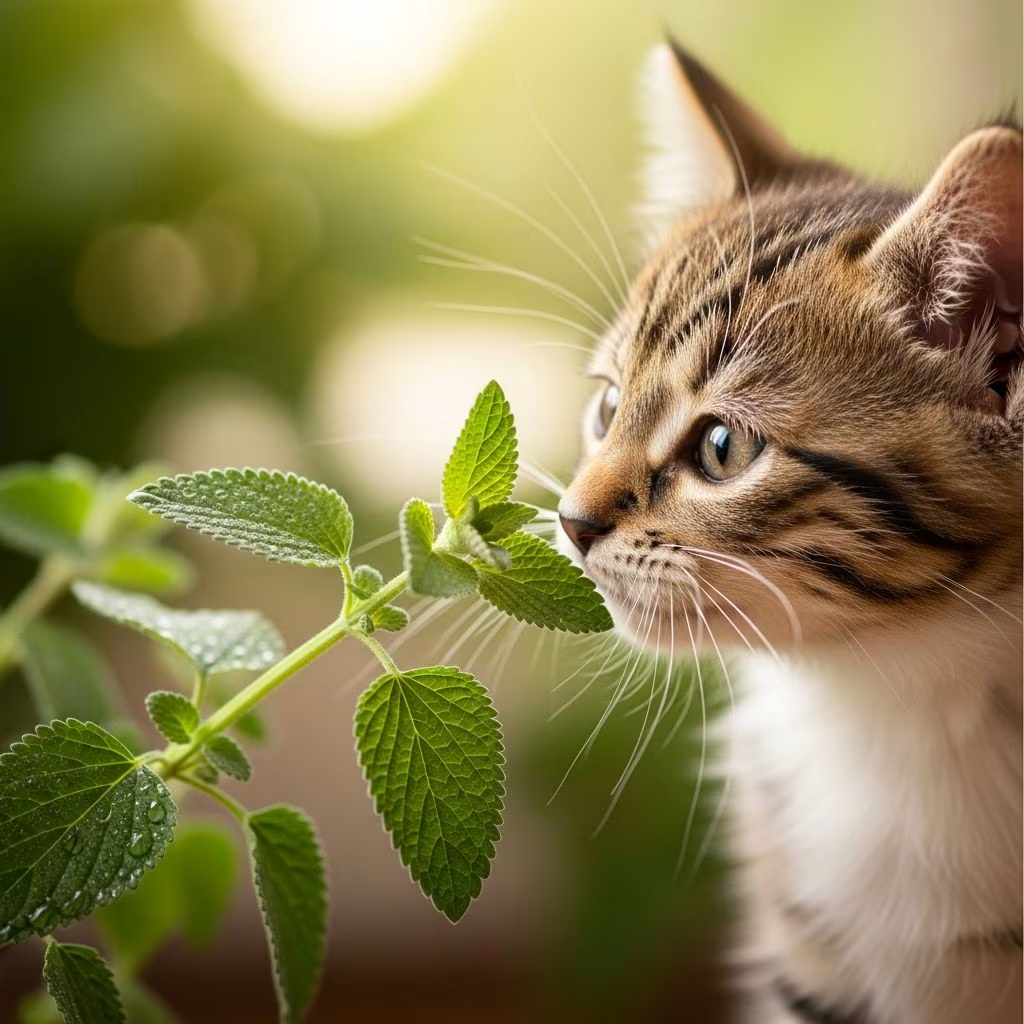
Is Catnip Safe for Kittens? A Complete Guide
Catnip is one of the most popular cat toys and enrichment tools for feline owners worldwide. Its enchanting effects on cats have made it a staple in households with feline companions. However, when it comes to kittens, many cat owners wonder whether this herb is safe for their young pets. The good news is that catnip is generally safe for kittens, but there are important considerations to keep in mind before introducing it to your furry friend.
What Exactly is Catnip?
Catnip, scientifically known as Nepeta cataria, is a perennial herb from the mint family. The active compound responsible for cats’ reactions is called nepetalactone, which triggers a response in feline brains. Catnip has been used for centuries and is completely non-toxic and non-addictive. In fact, humans have historically used catnip to brew tea and soothe upset stomachs, though the herb affects cats quite differently.
The Age Factor: When Can Kittens Have Catnip?
One of the most frequently asked questions is: at what age can kittens safely enjoy catnip? The answer depends on your kitten’s developmental stage.
Kittens Under Three Months
Kittens under the age of three months are generally immune to the effects of catnip. This is because their sensitivity to nepetalactone develops with age and is influenced by hormonal changes. During this early stage, catnip will have little to no effect on your young kitten’s behavior.
Kittens Between Three and Six Months
Catnip offered before a kitten reaches sexual maturity (typically at 3-6 months) may not have any noticeable impact on their behavior. If you offer catnip during this window and are disappointed by the lack of reaction, don’t worry—this is completely normal. Your kitten will continue to play with catnip toys simply because of their natural playfulness, even if they haven’t yet developed sensitivity to the herb.
Kittens Six Months and Older
Most experts recommend waiting until your kitten is at least six months to a year old before introducing them to catnip to ensure their developing systems can handle it without issue. By this age, kittens typically develop the genetic sensitivity needed to respond to catnip. However, responsiveness to catnip is actually a genetic trait, and approximately 40 percent of cats are entirely unaffected by it regardless of age.
Is Catnip Actually Safe for Kittens?
The straightforward answer is yes, catnip is safe for kittens. Catnip is safe, non-addictive, and perfect for stimulating predatory play. It is non-toxic to cats and generally considered safe for them to interact with in small doses. However, like any enrichment tool, safety requires thoughtful implementation.
While each kitten may react differently to catnip, there are no known dangers of giving your cat this treat. Even human consumption of catnip is safe, demonstrating its low toxicity profile. The key to ensuring your kitten’s safety lies in understanding potential risks and following best practices for introduction.
How Kittens React to Catnip
When kittens do develop sensitivity to catnip, their reactions can vary widely. Understanding these reactions will help you monitor your kitten’s experience safely.
Typical Behavioral Responses
- Increased playfulness and affectionate behavior
- Rolling on the ground and rubbing against the catnip source
- Jumping and pouncing movements
- Purring and vocalizations
- Relaxed, calm demeanor in some cases
Usually, catnip causes cats to be more affectionate, relaxed, and happy. However, some cats may become more active and aggressive when exposed to catnip, while others will not be affected at all.
Potential Risks and Safety Concerns
While catnip is generally safe, there are several potential risks to be aware of when introducing it to your kitten.
Overstimulation
One of the primary concerns is overstimulation. In some cases, a kitten may become overly stimulated when exposed to catnip, leading to aggressive behavior or excessive play. Kittens already have a natural aptitude for playfulness, and catnip can amplify this significantly. Overstimulation could lead to overstimulation or even scratches as you try to prize the toy away from them.
If you notice your kitten becoming particularly excitable or aggressive during catnip play, remove the toy immediately and supervise all future sessions.
Gastrointestinal Issues
Ingestion of large amounts of catnip can cause mild gastrointestinal issues, such as vomiting and diarrhea. This is why it’s important to ensure your kitten cannot tear open catnip toys and ingest large quantities of the herb.
Seizure Concerns
There is some thought that overexposure to catnip can trigger seizures, so it is not recommended for use in cats with a seizure disorder. If your kitten has a history of seizures or neurological problems, consult your veterinarian before introducing catnip.
Tolerance and Dependency
Chronic, regular use may lead to personality changes in your cat, so only occasional use is recommended. Additionally, avoiding daily catnip exposure helps prevent your kitten from developing a tolerance or dependency on the herb.
Safe Dosage Guidelines for Kittens
Understanding the appropriate amount of catnip for your kitten is crucial for maintaining safety.
It’s recommended to start with a small amount, such as a pinch of dried catnip or a catnip-infused toy. Observe your kitten’s reaction closely. If they display positive and playful behavior without any signs of distress, you can gradually offer catnip more frequently but still in moderation.
A teaspoon of dried catnip is a reasonable serving size for an enrichment toy. Always remember that moderation is key—think of catnip as an occasional treat rather than a daily staple in your kitten’s routine.
Best Practices for Introducing Catnip to Kittens
Following these guidelines will help ensure a safe and enjoyable catnip experience for your kitten:
Use Catnip-Infused Toys
Catnip-infused toys are an excellent way to provide your kitten with a safe and controlled catnip experience. These toys are designed to release the scent gradually, preventing overstimulation. This method is safer than loose catnip, as it minimizes the risk of ingestion.
Store Catnip Securely
Keep catnip products, including dried leaves and sprays, out of your kitten’s reach when not in use. This prevents them from getting into it unsupervised and consuming large amounts that could cause gastrointestinal upset.
Supervise Playtime
Always supervise your kitten during their catnip interactions to ensure their safety. This allows you to monitor for signs of overstimulation or distress and intervene if necessary.
Limit Exposure Frequency
Avoid giving your kitten catnip every day. Offering it as an occasional treat helps maintain its novelty and prevents tolerance development.
Consider DIY Toys
You can make a simple catnip toy by taking a clean sock or small fabric pouch, adding a teaspoon of dried catnip, and tying it securely. Ensure the fabric is sturdy enough that your kitten can’t rip it open and eat the contents.
Choose Organic Products
Look for products labeled organic and pesticide-free to avoid exposing your kitten to harmful chemicals.
Special Considerations for Certain Kittens
Some kittens require additional caution when introducing catnip.
Pregnant or Nursing Cats
While there’s limited research, it’s safer to avoid giving catnip to pregnant or nursing cats unless your veterinarian gives you the green light.
Kittens with Health Issues
If your kitten is on medication or has a history of seizures or neurological problems, talk to your veterinarian before introducing catnip.
Kittens with Individual Sensitivities
Remember that not all cats are equally responsive to catnip. Some may go wild, while others may simply ignore it. Respect your kitten’s preferences and tailor their playtime accordingly. If you notice any unusual or concerning behavior in your kitten after giving them catnip, take the catnip away immediately and consult your veterinarian.
Comparison: Catnip Effects and Kitten Age
| Kitten Age | Catnip Response | Safety Considerations | Recommendations |
|---|---|---|---|
| Under 3 months | Generally immune to effects | No safety concerns | Safe to offer, but expect minimal response |
| 3-6 months | May not respond yet | Monitor for overstimulation if sensitive | Try again in a few months if no response |
| 6 months to 1 year | Likely to respond | Watch for signs of overstimulation | Begin with small amounts and supervise |
| 1 year and older | Full sensitivity developed | Follow standard safety guidelines | Offer occasionally in moderation |
Frequently Asked Questions About Catnip and Kittens
Q: Can kittens eat catnip?
A: While catnip is non-toxic, it’s best not to let kittens ingest large amounts. Instead of offering loose catnip, use catnip-infused toys or sprinkle it on scratching posts to minimize ingestion risks.
Q: Will catnip make my kitten addicted?
A: No. Catnip is non-addictive and safe for cats. However, chronic regular use may lead to personality changes, so occasional use is recommended.
Q: What should I do if my kitten shows aggressive behavior with catnip?
A: Remove the catnip immediately if your kitten displays hissing, swatting, or rough behavior. Overstimulation can make some kittens cranky or snappy, so end the session immediately and try again another time with closer supervision.
Q: Why doesn’t my kitten respond to catnip?
A: Your kitten may not respond to catnip for several reasons: they may be too young (under 3-6 months), or they may lack the genetic trait for catnip sensitivity, which affects approximately 40 percent of cats.
Q: How often can I give my kitten catnip?
A: It’s best to offer catnip as an occasional treat rather than daily. Limiting exposure helps maintain novelty and prevents tolerance development.
Q: Are catnip sprays safe for kittens?
A: While catnip sprays are available, the dry type found in packages is often recommended. If using sprays, use them sparingly and ensure good ventilation.
Conclusion
Catnip is a safe and enjoyable enrichment tool for most kittens when introduced properly and used responsibly. While young kittens under three to six months may not respond to catnip due to their developmental stage, introducing it later is perfectly safe. By following proper safety guidelines—including supervision, appropriate dosing, secure storage, and limiting frequency—you can ensure that your kitten enjoys catnip benefits while minimizing potential risks. Always observe your individual kitten’s reactions and consult your veterinarian if you have any concerns about your kitten’s health or behavior when introducing catnip.
References
- Can Kittens Have Catnip? 5 Things to Consider — Gus & Bella. https://gusandbella.com/blogs/news/can-kittens-have-catnip-5-things-to-consider
- Can Kittens Have Catnip? — Little Silver Animal Hospital. https://littlesilveranimalhospital.com/blog/can-kittens-have-catnip/
- What Does Catnip do to Cats? Side Effects and Safety — Lovet. https://www.lovet.com/blog/what-does-catnip-do-to-cats/
- How to Safely Introduce Catnip to Kittens? — Fun With Dizzies. https://funwithdizzies.com/how-to-safely-introduce-catnip-to-kittens/
- Ask Dr. Jenn: How Does Catnip Work? Is It Safe for Kittens to Eat? — PetAssure. https://www.petassure.com/maxscorner/ask-dr-jenn-how-does-catnip-work/
- What Is Catnip Safe & Is It Safe for Cats & Kittens — Fresh Step. https://www.freshstep.com/cat-care/what-is-catnip-is-it-safe-for-my-cat/
- Facts About Catnip: Effects, Safety, Silly Cats — Falls Village Vet. https://raleighncvet.com/cat-care/facts-about-catnip-effects-safety-silly-cats/



