

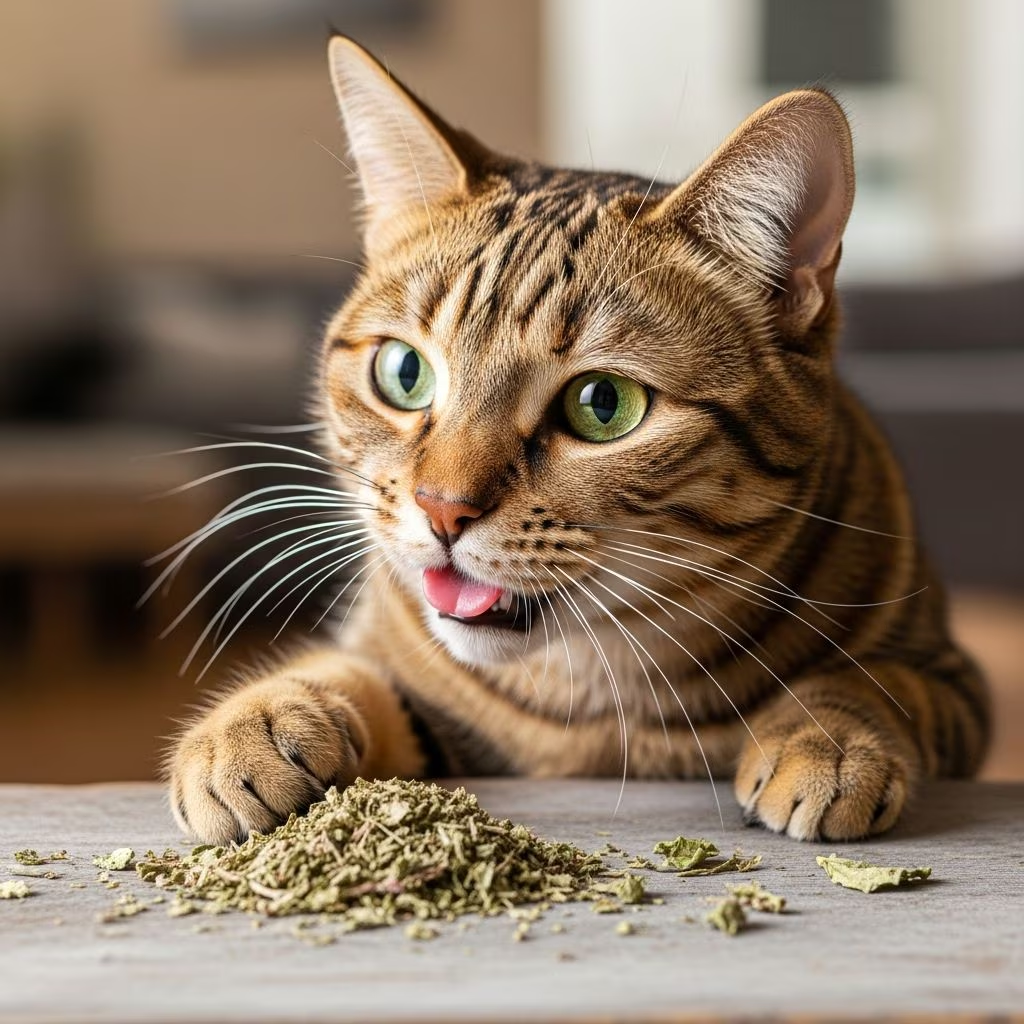
Catnip, scientifically known as Nepeta cataria, is a popular herb that elicits euphoric responses in many cats, from rolling and rubbing to energetic zooming. But is catnip safe for cats? Yes, catnip is non-toxic and generally safe when used in moderation, providing enrichment without long-term harm.
This comprehensive guide explores what catnip is, how it affects cats, its benefits, potential risks, safety for kittens, and best practices for offering it to your feline companion. Drawing from veterinary insights, catnip enhances play and relaxation but requires mindful use to prevent overstimulation or digestive issues.
What Is Catnip?
Catnip is a perennial herb in the mint family, native to Europe, Asia, and parts of Africa, now widely grown worldwide. It features heart-shaped leaves and small white or lavender flowers, reaching up to three feet tall. The key compound, nepetalactone, found in the plant’s leaves, stems, and seeds, triggers catnip’s effects when sniffed.
Humans have used catnip for centuries in teas for digestive aid and relaxation, but its fame stems from cats’ dramatic reactions. Not all cats respond—sensitivity is genetic, affecting about 70-80% of adults, typically emerging around 6 months old.
- Fresh vs. Dried: Fresh catnip is more potent; dried retains effects for months if stored cool and dry.
- Forms: Toys, sprays, treats, or loose herb for scattering.
How Does Catnip Affect Cats?
When a cat sniffs catnip, nepetalactone binds to olfactory receptors, stimulating sensory neurons that relay to the brain, mimicking pheromones. This activates ‘happy’ pathways, causing 5-15 minutes of intense behavior followed by a refractory period of 30 minutes to hours where effects wane.
Common reactions include:
- Rolling, rubbing, and flipping on the back.
- Purring, drooling, and vocalizing (meowing, growling).
- Hyperactivity: Running, jumping, batting at invisible objects (mild hallucinogenic effect).
- Relaxation if ingested: Cats may mellow out, zone out, or sleep.
Effects vary: some cats become playful, others sedated. Multi-cat homes should offer catnip singly to prevent aggression.
Benefits of Catnip for Cats
Catnip offers mental and physical perks, making it a valuable enrichment tool, especially for indoor cats.
- Stress Relief: Soothes anxiety during vet visits, travel, or changes; promotes calming pheromonal response.
- Encourages Play: Boosts exercise, hunting instincts, reducing boredom and obesity risk.
- Appetite Stimulation: Sprinkled on food, it entices picky eaters.
- Training Aid: Rewards litter training or scratching post use without calories.
- Digestive Aid: In small amounts, aids mild tummy issues, historically used in herbal remedies.
Veterinarians endorse occasional catnip for behavioral health, noting its non-addictive nature.
Is Catnip Safe for Cats?
Absolutely—catnip poses no toxicity risk. The ASPCA confirms it’s harmless, even if ingested in moderation. No evidence links it to organ damage, addiction, or withdrawal.
However, safety hinges on moderation:
| Aspect | Safe Usage | Potential Issue |
|---|---|---|
| Sniffing | Unlimited short sessions | Overstimulation, injury from zooming |
| Eating | 1 tsp max per session | Upset stomach, vomiting, diarrhea |
| Frequency | 1-2x weekly | Tolerance buildup, reduced response |
Monitor first exposure: Separate aggressive cats, clear hazards like furniture edges.
Potential Risks and Side Effects of Catnip
While safe, excesses cause temporary issues.
- Digestive Upset: Overeating leads to vomiting, diarrhea; resolves in 12-24 hours. Fresh is stronger, so use less.
- Overstimulation: Hyperactivity may cause falls, scratches, or fights. Rare aggression (growling, swatting).
- Allergies: Very rare—watch for itching, excessive drool, or GI distress; discontinue if seen.
- Tolerance: Daily use dulls effects; rotate with silver vine or valerian.
- No Overdose: Cats self-regulate, but extreme intake (rare) may cause dizziness, lethargy.
Injure risk is behavioral, not toxic—supervise play.
Can Kittens Have Catnip?
Kittens under 3-6 months rarely respond due to immature olfactory systems. It’s safe but ineffective young; effects mature later.
Offer sparingly post-6 months; avoid if no interest. No long-term impact on development.
How Much Catnip Should You Give Your Cat?
Start small:
- Loose: 1/4-1 tsp dried, pinch fresh.
- Toys: Sprinkle lightly; refresh weekly.
- Treats/Sprays: Follow labels.
- Frequency: Every few days max to preserve magic.
Store airtight, away from light/heat. Consult vet for health-compromised cats.
Alternatives to Catnip
Not all cats react; try:
- Silver vine (stronger nepetalactone-like).
- Valerian root (sedative).
- Tatarian honeysuckle.
- Laser pointers, treats for universal fun.
These provide similar enrichment.
Frequently Asked Questions (FAQs)
Is catnip addictive for cats?
No, catnip is non-addictive. Cats don’t crave it or suffer withdrawal; tolerance is reversible with breaks.
Can cats overdose on catnip?
No fatal overdose, but excess causes temporary vomiting/diarrhea. Use moderation.
Why does catnip make my cat act weird?
Nepetalactone stimulates brain pleasure centers, causing euphoria, hallucinations, or sedation.
Is catnip safe for kittens?
Safe but often ineffective under 6 months.
Does catnip expire?
Dried lasts 1-2 years stored properly; potency fades over time.
Can catnip help with anxiety?
Yes, it calms stressed cats effectively.
References
- The Pros and Cons of Catnip: Understanding its Effects on Cats — BaxterBoo Blog. 2023. https://www.baxterboo.com/blog/a.cfm/pros-cons-catnip-understanding-its-effects-on-cats/
- Happiness Overload: Cats and Catnip — ASPCA Pet Insurance. 2024. https://www.aspcapetinsurance.com/resources/what-does-catnip-do-to-cats/
- Can Cats Eat Catnip? Benefits, Risks and Fun Facts — Taste of the Wild Pet Food. 2023. https://www.tasteofthewildpetfood.com/articles/nutrition/can-cats-eat-catnip/
- What Does Catnip do to Cats? Side Effects and Safety — Lovet. 2024. https://www.lovet.com/blog/what-does-catnip-do-to-cats/
- What Is Catnip? Is It Safe for Cats & Kittens — Fresh Step. 2023. https://www.freshstep.com/cat-care/what-is-catnip-is-it-safe-for-my-cat/
- What Is Catnip and What Does It Do to Cats? — PetMD. 2025-06-12. https://www.petmd.com/cat/general-health/what-is-catnip
- The Effects Catnip Has on Cats — Boulder Veterinary Hospital. 2024. https://bouldervet.com/blog/the-effects-catnip-has-on-cats/



