

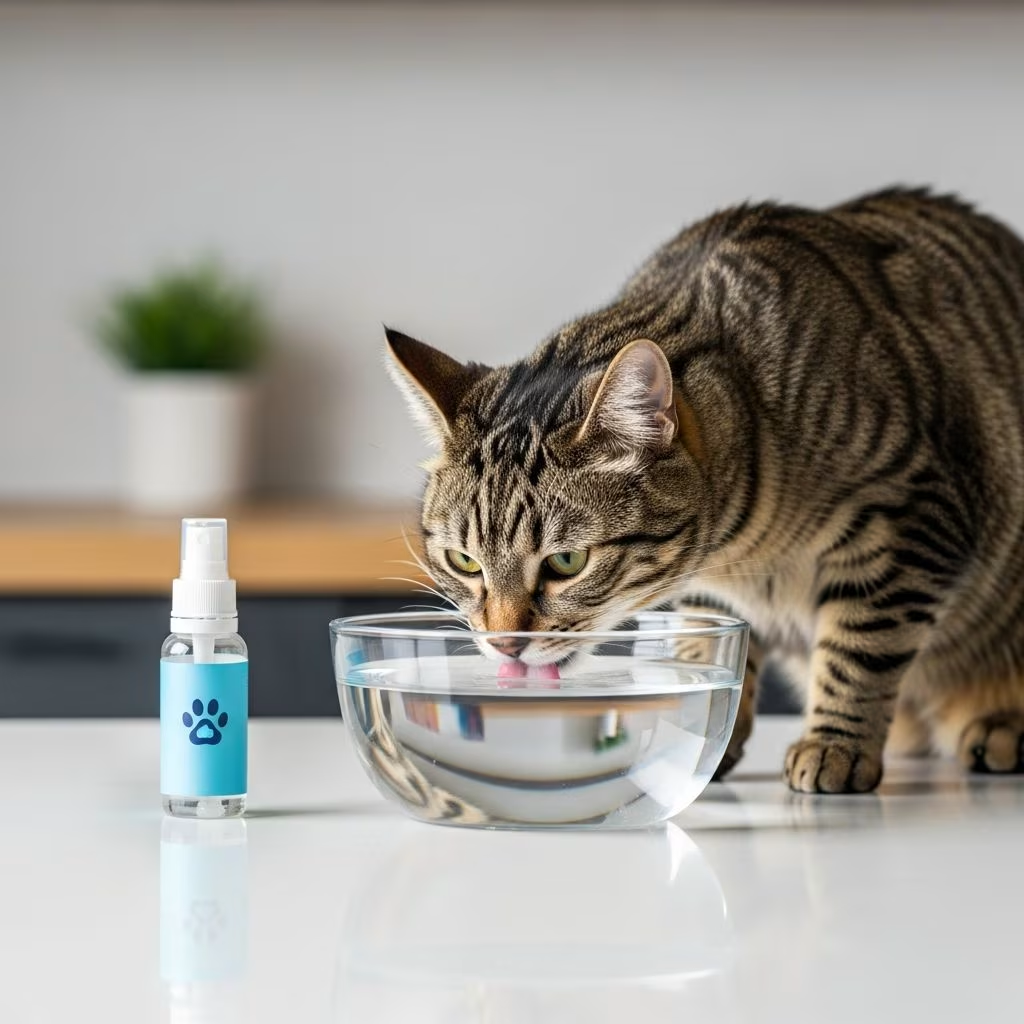
Cat water additives are liquid supplements added to a cat’s drinking water to promote dental health, freshen breath, and sometimes encourage hydration. These products claim to reduce plaque and tartar by targeting oral bacteria, offering a convenient alternative or supplement to brushing or professional cleanings. However, their effectiveness varies, and potential drawbacks like taste changes or side effects warrant caution.
While many cat owners use these additives for easier oral care, veterinary experts emphasize they should not replace regular dental check-ups. This article examines the benefits, risks, key ingredients, and practical advice to determine if cat water additives suit your pet.
What Is Cat Water Additive?
Cat water additives are specialized formulas designed to be mixed into your cat’s fresh drinking water. They typically contain antimicrobial agents, enzymes, or chemicals that combat bacteria causing plaque, tartar, and bad breath. Unlike toothpaste or treats, these work passively as cats drink throughout the day.
Available in flavors (like poultry or fish) or neutral options, they aim to be palatable without deterring hydration. Brands like KittySpout or HealthyMouth market them as vet-approved for daily use, but results depend on consistent intake and the cat’s acceptance.
Benefits of Cat Water Additives
Proponents highlight several advantages, primarily for dental hygiene and overall wellness. Key benefits include:
- Plaque and Tartar Reduction: Active ingredients kill bacteria responsible for plaque buildup, potentially delaying tartar formation and gingivitis.
- Fresh Breath: By neutralizing odor-causing compounds, additives combat halitosis, a common feline issue linked to poor oral health.
- Improved Hydration: Some formulas enhance water appeal, encouraging picky drinkers to consume more and reduce dehydration risks.
- Convenience: Effortless integration into routines, ideal for cats resisting brushing.
- Gum Health Support: Anti-inflammatory properties may soothe gums and prevent periodontal disease.
Consistent use alongside brushing or dental diets can extend these effects, with some studies showing reduced bacterial counts in saliva. Products like flavorless KittySpout are praised for not altering taste, maintaining normal drinking habits.
Potential Downsides and Risks
Despite benefits, cat water additives have notable drawbacks. Cats’ sensitivity to taste and potential health risks make them unsuitable for all pets.
Taste Aversion and Reduced Intake
Many cats detect subtle flavor changes, leading to refusal of treated water. This can cause dehydration, urinary tract issues, or concentrated urine prone to crystals. Veterinary advice: Offer plain water alongside to monitor intake.
Variable Effectiveness
Efficacy depends on the cat’s health, product quality, and usage. Filtration in fountains may dilute actives, reducing impact. They don’t remove existing tartar, only prevent new buildup.
Side Effects
Possible reactions include vomiting, diarrhea, or gastrointestinal upset, especially in sensitive cats. Long-term use raises concerns over ingredients accumulating.
Key Ingredients in Cat Water Additives
Formulas vary, but common components include:
| Ingredient | Purpose | Potential Concerns |
|---|---|---|
| Stabilized Chlorine Dioxide | Antimicrobial; kills bad-breath bacteria | Generally safe in low doses |
| Zinc Chloride or Acetate | Prevents bacterial growth; freshens breath | Risk of zinc poisoning with excess (vomiting, kidney issues) |
| Sodium Benzoate | Preservative | May form benzene (carcinogen) in acidic conditions; liver stress |
| Sodium Citrate | Stabilizer | Disrupts acid-base balance; digestive issues |
| Glycerin | Moisturizer; improves palatability | Minimal risks |
| Sodium Hydroxide | pH adjuster | Irritates mouth/stomach; ulcers possible |
Choose products with transparent labeling and vet endorsements. Avoid those with artificial sugars or alcohols.
Veterinary Opinion on Cat Water Additives
Vets view additives as supplementary, not primary solutions. Texas A&M notes they prevent plaque when used daily but stress professional cleanings for established disease. SkeptVet reports limited evidence for some brands like HealthyMouth, advising trials with plain water options.
Consensus: Safe for most if monitored, but prioritize brushing, diets, and exams. Cats with kidney issues or sensitivities need vet approval.
How to Use Cat Water Additives Safely
Follow these steps for best results:
- Consult your vet first, especially for health-compromised cats.
- Select flavorless, odorless formulas to minimize aversion.
- Follow dosage: Typically 1 tsp per 8 oz water; refresh daily.
- Provide plain water bowls to prevent dehydration.
- Monitor for 1-2 weeks: Watch intake, stool, breath.
- Combine with brushing (2-3x/week) and dental chews.
- Discontinue if adverse effects appear; seek vet care.
In fountains, add post-filtration or use bypass modes.
Alternatives to Cat Water Additives
If additives fail, consider:
- Brushing: Gold standard with enzymatic toothpaste.
- Dental Diets/Chews: Abrade tartar mechanically.
- Professional Cleanings: Under anesthesia for thorough scaling.
- Rinses/Gels: Targeted application without water mixing.
- Hydration Boosters: Plain fountains or wet food.
FAQs
Are cat water additives safe?
Most are safe when used as directed, but risks like GI upset or zinc toxicity exist. Vet-approved options minimize issues.
Do cat water additives really work for dental health?
They reduce bacteria and plaque prevention but don’t replace cleanings. Evidence is promising yet variable.
What if my cat won’t drink the water?
Switch to flavorless types or offer plain water. Dehydration is riskier than skipping additives.
Can water additives cause dehydration?
Yes, if taste aversion reduces intake. Always provide alternatives.
How often should I change the treated water?
Daily, like regular water, to maintain efficacy and freshness.
Conclusion
Cat water additives can be a good idea for proactive dental care, offering convenience and benefits like fresher breath and plaque control. However, they’re not foolproof—taste issues, variable results, and ingredient risks mean they’re best as part of a comprehensive routine. Consult your vet, monitor closely, and prioritize proven methods like brushing for optimal feline health.
References
- Pros and Cons of Using Water Additives For Cats — KittySpout. 2023. https://www.kittyspout.com/blogs/blog/pros-and-cons-of-using-water-additive-cats-for-fresh-breath-and-dental-health
- Hidden Dangers Of Dental Water Additives For Pets — NutriFlex. 2024. https://www.nutriflex.co.za/dental-water-additives-for-dogs/
- Dental Water Additives for Pets: 5 Best Solutions — The Pet Vet. 2024. https://thepetvet.com/dental-water-additive-pets-2/
- Cat Water Additive: A Comprehensive Guide — UAH Pet. 2023. https://www.uahpet.com/blogs/post/cat-water-additive-a-comprehensive-guide-to-feline-hydration
- HealthyMouth Water Additive: Does It Help? — SkeptVet. 2011-01-01. https://skeptvet.com/2011/01/healthymouth-water-additive-does-it-help-prevent-dental-disease/comment-page-2/
- Supporting Oral Health: Dental Care for Cats — Mud Bay. 2024. https://blog.mudbay.com/dental-health-for-cats/supporting-oral-health-dental-care-for-cats/
- Don’t Brush Off Your Cat’s Dental Health — Texas A&M Vet Med. 2023. https://vetmed.tamu.edu/news/pet-talk/dont-brush-off-your-cats-dental-health/



