

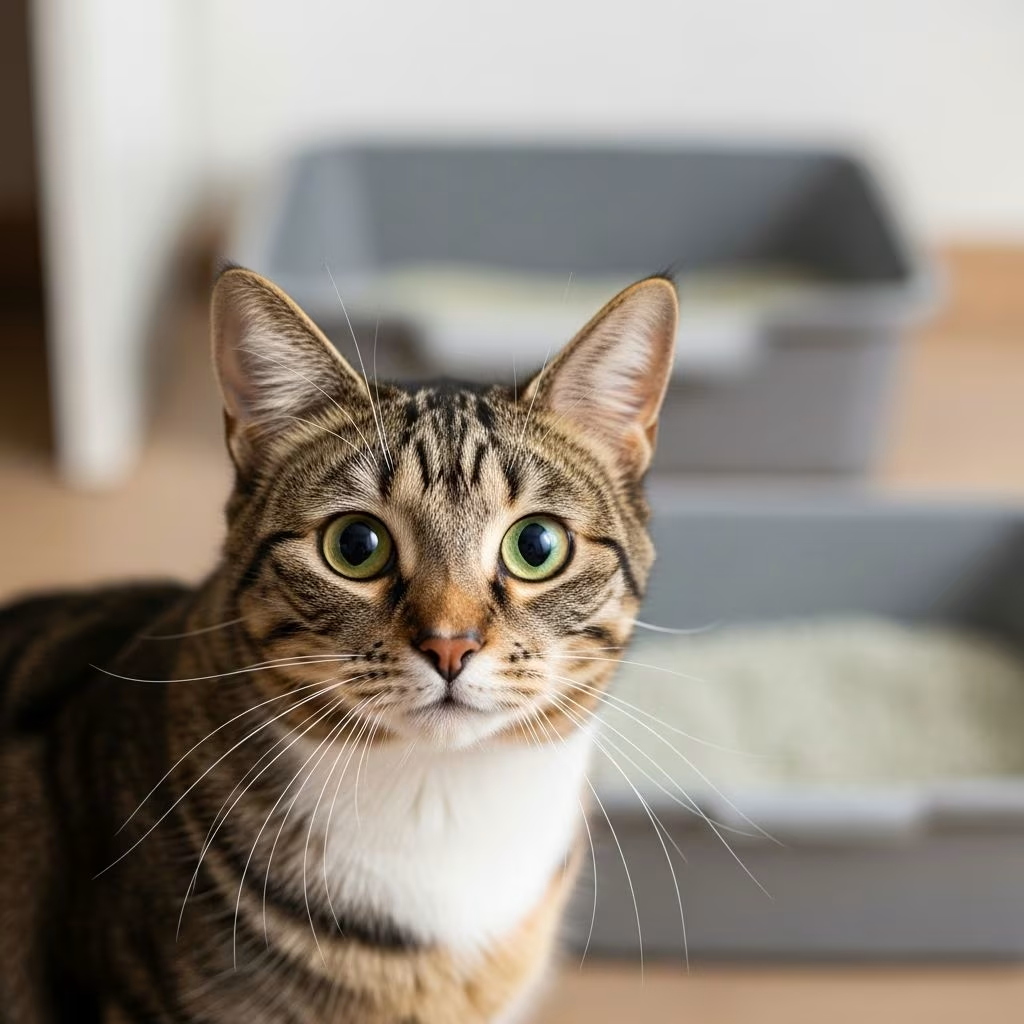
Observing changes in your cat’s bathroom habits can be concerning for any pet owner. While cats typically maintain consistent poop schedules, sudden increases in frequency—such as pooping multiple times a day—may signal underlying issues ranging from minor dietary adjustments to serious health conditions. Understanding **normal cat poop frequency** is key: most healthy cats defecate **1-2 times per day**, though this can vary based on age, diet, activity level, and individual metabolism. Factors like higher water intake or exercise can promote more regular movements, while low-fiber diets might reduce them.
This comprehensive guide, informed by veterinary expertise, breaks down what’s normal, potential causes of excessive pooping, symptoms to watch, and steps for diagnosis and treatment. Early intervention is crucial, as prolonged diarrhea or irregular stools can lead to dehydration or nutrient loss.
What Is Normal Cat Poop?
Normal cat feces are firm, well-formed, and brown in color, resembling Tootsie Rolls in shape and consistency. They should be easy to scoop, segmented, and passed without straining. Frequency-wise, expect bowel movements **every 12-36 hours** for most cats, influenced by meal size, hydration, and fiber intake. Kittens may poop more often due to smaller digestive tracts, while seniors might go less frequently owing to slower metabolism.
- Ideal characteristics: Moist but firm, uniform color, no mucus, blood, or foul odor beyond mild scent.
- Frequency variations: Active cats or those on high-moisture wet food may poop 2-3 times daily; dry kibble eaters often once.
- Influencing factors: Age (kittens more frequent), diet (fiber promotes regularity), water intake (lubricates gut), and exercise (stimulates digestion).
Deviations like soft, frequent stools or hard pellets warrant monitoring. Track patterns over 24-48 hours: note frequency, consistency, color, and any straining or scooting.
Why Is My Cat Pooping So Much?
Increased pooping often stems from **diarrhea**, defined as loose, watery stools passed more than 2-3 times daily. This speeds fecal transit, reducing water absorption and increasing volume/frequency. Mild cases resolve quickly, but persistent ones (over 24-48 hours) need vet attention, especially with blood, lethargy, vomiting, or appetite loss.
Common triggers include:
- Dietary changes: Sudden food switches upset digestion; low-quality or high-fat foods accelerate gut motility.
- Overeating or indiscretion: Table scraps, plants, or another pet’s food cause temporary loose stools.
- Stress/anxiety: New environments trigger colitis-like symptoms with frequent, mucousy poop.
| Symptom | Appearance | Frequency | Possible Causes |
|---|---|---|---|
| Diarrhea | Soft, watery, possibly bloody/mucousy | 3+ times/day | Diet change, parasites, infections |
| Normal | Firm, segmented, brown | 1-2 times/day | Balanced diet, good hydration |
| Constipation | Hard, dry pellets | <1 time/day | Dehydration, low fiber, megacolon |
What Is Causing My Cat’s Poop Problems?
Food Reactions & Allergies
Food allergies or intolerances to proteins like beef, fish, or dairy provoke gastrointestinal upset, leading to frequent, loose stools. Symptoms include chronic diarrhea, vomiting, and skin issues. Diagnosis involves an **8-week elimination diet trial** using hydrolyzed protein formulas, reintroducing suspects one-by-one under vet supervision. Treatment: Switch to hypoallergenic food; probiotics aid gut recovery.
Parasites & Infections
Intestinal worms (roundworms, hookworms) or protozoa (Giardia, Coccidia) irritate the gut, causing diarrhea especially in kittens. Bacterial infections from raw meat or viral pathogens like panleukopenia also contribute. Fecal exams confirm parasites; dewormers or antibiotics treat them. Visible worms or bloody stool? Seek immediate care.
Inflammatory Bowel Disease (IBD)
**IBD** involves chronic gut inflammation from immune responses, viruses, or allergies, yielding frequent, variable stools (diarrhea alternating with constipation). Common in middle-aged cats, it may affect multiple systems. Diagnostics: Bloodwork, ultrasound, biopsies. Management: Steroids, anti-inflammatories, novel-protein diets. Lifelong monitoring prevents flares.
Colitis
Colon inflammation causes urgent, frequent passage of mucousy or bloody stools, often with tenesmus (straining). Triggers: Stress, bacteria, parasites. Hydration and bland diets help acutely; vets may prescribe metronidazole.
Diabetes
Feline diabetes impairs glucose regulation, leading to dehydration and constipation despite increased thirst/urination. However, poor control can cause osmotic diarrhea. Blood/urine glucose tests diagnose; insulin and low-carb diets treat.
Kidney Disease
Chronic kidney disease (CKD) reduces urine concentration, causing dehydration and hard, infrequent stools—though toxin buildup may loosen them. Seniors show increased drinking/pooping initially. Blood creatinine/BUN and urinalysis confirm; renal diets and fluids manage.
Hyperthyroidism
Overactive thyroid speeds metabolism, predisposing to constipation but sometimes diarrhea from rapid transit. Blood T4 levels diagnose; options: Methimazole meds, radioactive iodine, surgery, or iodine-restricted diets.
Other Causes
- Pancreatic issues: Exocrine pancreatic insufficiency malabsorbs nutrients, causing voluminous diarrhea.
- Cancer: GI tumors disrupt motility.
- Toxins/stress: Induce rapid expulsion.
- Anal gland issues: Impaction from irregular poops leads to scooting; vet expression relieves.
Diagnosis and Treatment Options
Vets start with history (diet, frequency) and physical exam, then fecal analysis for parasites/infections. Bloodwork screens for organ issues/diabetes; imaging (X-rays/ultrasound) checks obstructions. Treatment targets causes:
- Supportive: Fluids for dehydration, fiber supplements (psyllium) for motility.
- Dietary: High-fiber or prescription foods.
- Medications: Antibiotics, anti-parasitics, immunosuppressants.
For constipation (counterpoint to lots of pooping), laxatives or enemas if severe.
When to See a Vet
Call immediately if diarrhea lasts >24 hours, contains blood/black tar, accompanies vomiting/lethargy, or affects kittens/seniors. No poop in 2-3 days? Possible obstruction. Scooting signals anal sacs.
How to Prevent Poop Problems
- Gradual diet transitions over 7-10 days.
- Consistent high-quality, fiber-balanced food.
- Encourage hydration: Fountains, wet food.
- Regular deworming/flea prevention.
- Exercise and stress reduction (puzzles, play).
- Annual vet checkups for early detection.
Frequently Asked Questions (FAQs)
Q: How often should cats poop?
A: Healthy cats poop 1-2 times daily, or every 12-36 hours, varying by diet and activity.
Q: Is runny poop normal in cats?
A: Occasional yes from diet slips, but persistent runny stools indicate issues needing vet care.
Q: Can stress cause frequent pooping?
A: Yes, anxiety triggers colitis and loose, frequent stools.
Q: What if my cat poops blood?
A: Emergency—could be parasites, infection, or colitis; see vet ASAP.
Q: Does age affect poop frequency?
A: Kittens poop more; seniors less due to slowed digestion.
References
- Cat Poop: Normal, Problems, Constipation, Diarrhea, and More — WebMD. 2023. https://www.webmd.com/pets/cats/the-scoop-on-cat-poop
- How Often Should Cats Poop: Healthy Cat Bowel Movements — Dutch Pet. 2024. https://www.dutch.com/blogs/cats/how-often-should-cats-poop
- My Cat Is Suddenly Pooping a Lot: Our Vet Discusses What’s Normal — Catster (Ask the Vet). 2023. https://www.catster.com/ask-the-vet/is-cat-pooping-lots-normal/
- Diarrhea in Cats: Common Causes & When It’s Serious — Pets on Broadway. 2024-07-31. https://www.petsonbroadway.net/site/blog/2024/07/31/diarrhea-cats
- How to Recognize Normal and Abnormal Stool in Cats — Vetster. 2024. https://vetster.com/en/wellness/how-to-recognize-normal-and-abnormal-stool-in-cats
- Chronic Diarrhea in Cats — PetMD. 2024. https://www.petmd.com/cat/conditions/digestive/chronic-diarrhea-cats



