

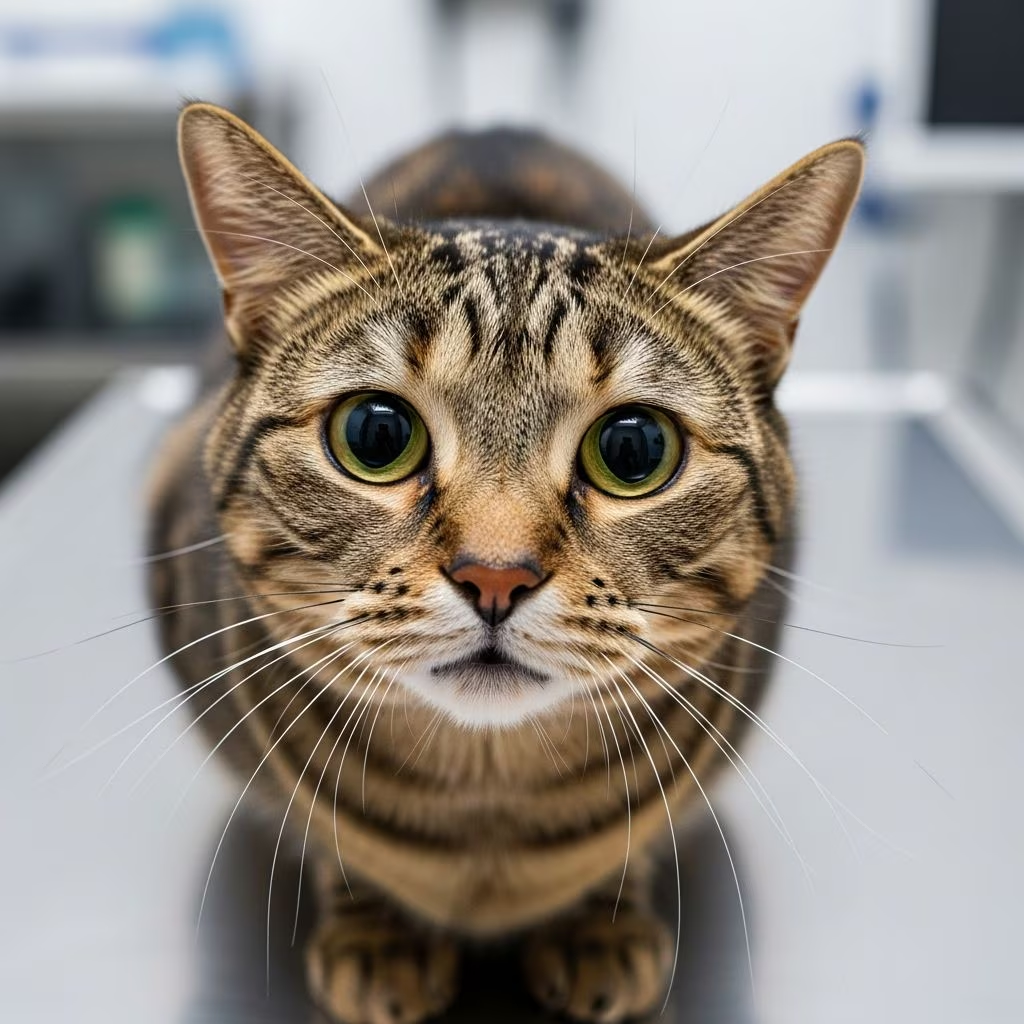
Cat constipation, characterized by infrequent or difficult bowel movements, can range from a minor issue to a veterinary emergency depending on severity and duration. While occasional constipation may resolve with home care, persistent cases often signal underlying problems like dehydration, megacolon, or obstructions, requiring prompt professional intervention to prevent life-threatening complications.
What Does Constipation Look Like in Cats?
Constipation in cats manifests as hard, dry stools passed infrequently, often with straining in the litter box. Owners may notice their cat visiting the litter box multiple times without producing feces, or small, pebble-like stools that resemble rabbit droppings. Unlike diarrhea, which is more common, constipation leads to discomfort, reduced appetite, and lethargy if prolonged.
- Straining (tenesmus): Repeated, unproductive efforts in the litter box.
- Hard, dry feces: Small, pellet-shaped stools that are difficult to pass.
- Infrequent defecation: Less than once every 1-2 days in adult cats.
- Lethargy and appetite loss: Cats may hide, vomit, or refuse food due to abdominal pain.
These signs differ from normal cat poop, which should be soft, formed, and passed daily or every other day. Kittens and senior cats are particularly vulnerable, as their systems are less resilient.
Constipation vs. Obstipation in Cats
Constipation refers to infrequent or difficult stool passage, while **obstipation** is a severe form where the cat cannot defecate at all, leading to fecal impaction. Obstipation often progresses to megacolon, an irreversible enlargement of the colon due to chronic stretching.
| Condition | Symptoms | Severity |
|---|---|---|
| Constipation | Straining, hard stools every 2-3 days | Mild to moderate; often treatable at home initially |
| Obstipation | No stool for 3+ days, severe straining, vomiting | Emergency; requires vet intervention |
| Megacolon | Chronic obstipation, bloated abdomen, weight loss | Critical; may need surgery |
Distinguishing these is crucial, as obstipation demands immediate veterinary attention to avoid toxin reabsorption and systemic illness.
Causes of Constipation in Cats
Several factors contribute to cat constipation, from dietary issues to serious medical conditions. Dehydration is a primary culprit, thickening stools and slowing gut motility. Other common causes include:
- Dietary problems: Low-fiber diets, hairballs, or sudden food changes.
- Dehydration: Insufficient water intake, especially in dry-food-only diets.
- Megacolon: Nerve or muscle dysfunction in the colon, often idiopathic.
- Obstructions: Tumors, foreign bodies, or pelvic fractures narrowing the colon.
- Medications or diseases: Painkillers, kidney disease, hyperthyroidism, or neurological issues.
Senior cats face higher risks due to reduced mobility and comorbidities, while obese cats struggle with litter box access.
Is Cat Constipation an Emergency?
Yes, cat constipation becomes an emergency if untreated beyond 24-48 hours, especially with straining, vomiting, or a bloated abdomen. No bowel movement for over two days warrants immediate vet care, as it risks megacolon, bowel perforation, or sepsis from bacterial toxin absorption.
- Red flags: No stool in 48+ hours, crying in litter box, repeated vomiting, refusal to eat, lethargy, or swollen belly.
- Why urgent? Prolonged impaction stretches the colon irreversibly, leading to permanent dysfunction.
Emergency clinics provide diagnostics like X-rays and ultrasounds to rule out blockages, unlike routine checkups.
Diagnosis of Constipation in Cats
Vets diagnose constipation via physical exam, abdominal palpation, and imaging. X-rays reveal fecal loading or megacolon, while bloodwork checks for dehydration, kidney issues, or hypercalcemia. Contrast studies or endoscopy identify tumors or strictures.
History-taking is key: Note litter box habits, diet, recent changes, and medications. Digital rectal exams confirm impactions but require sedation in painful cases.
Treatment Options for Constipated Cats
Treatment targets the cause and relieves impaction. Mild cases start with hydration and laxatives; severe ones need hospitalization.
- Hydration therapy: IV fluids correct dehydration.
- Laxatives: Polyethylene glycol (PEG 3350) or dioctyl sodium sulfosuccinate (DSS) soften stools.
- Enemas: Vet-administered only; human enemas are toxic to cats.
- Prokinetics: Cisapride stimulates colon contractions (0.1–1 mg/kg every 8-12 hours).
- Manual deobstipation: Under anesthesia for safety.
For megacolon, continuous PEG infusion via nasogastric tube evacuates large volumes over 12-24 hours.
When is Surgery Necessary for Cat Constipation?
Surgery, like subtotal colectomy, is a last resort for refractory megacolon or tumors unresponsive to medical therapy. Specialists perform it, removing the affected colon section. Most cats recover well, though diarrhea may persist initially.
Success rates are high, but prolonged recovery and complications like incontinence occur in some cases. Early intervention often avoids this.
Home Remedies and Prevention for Cat Constipation
Prevent recurrence with high-fiber diets (e.g., pumpkin puree, 1 tsp daily), ample water (fountains encourage drinking), and exercise. Add psyllium or hairball remedies, but consult vets first.
- Increase moisture: Wet food over dry.
- Promote activity: Toys, climbing trees.
- Regular grooming: Reduces ingested hair.
- Monitor weight: Obesity hinders defecation.
Avoid OTC enemas or human laxatives, as they can cause electrolyte imbalances or perforations.
Prognosis for Cats with Constipation
With prompt treatment, most cats recover fully. Chronic cases managed medically have good outcomes, but megacolon may require lifelong meds or surgery. Regular vet checkups prevent escalation.
Owners monitoring litter habits catch issues early, improving quality of life.
Frequently Asked Questions (FAQs)
Q: How long can a cat go without pooping before it’s an emergency?
A: Over 48 hours with straining is an emergency; seek vet care after 2-3 days max.
Q: Can I give my constipated cat an enema at home?
A: No, human enemas are toxic to cats; only vets should administer them.
Q: What are the first signs of megacolon in cats?
A: Chronic constipation, obstipation, abdominal distension, and weight loss.
Q: Is constipation common in senior cats?
A: Yes, due to dehydration, mobility issues, and diseases like kidney failure.
Q: How much pumpkin should I give my cat for constipation?
A: 1/2 to 1 tsp plain canned pumpkin daily; confirm with your vet.
References
- Constipation in Cats — VCA Animal Hospitals. 2023. https://vcahospitals.com/know-your-pet/constipation-in-cats
- Cat Constipation Issues — South Seattle Veterinary Hospital. 2023. https://www.southseattlevet.com/constipated-cat-visit-an-emergency-vet-care-clinic
- Constipation in Cats: What to Do — Van Roekel & Associates. 2024-05-15. https://www.vanroekelassociates.com/site/blog/2024/05/15/constipation-cats
- Constipation in Cats: Is That an Emergency? — Cedar Animal Medical Center. 2022-05-31. https://www.cedaranimalmedicalcenter.com/site/blog/2022/05/31/constipation-in-cats-is-that-an-emergency
- Constipation — Cornell University College of Veterinary Medicine. 2023. https://www.vet.cornell.edu/departments-centers-and-institutes/cornell-feline-health-center/health-information/feline-health-topics/constipation
- Feline Megacolon and Deobstipation — MSPCA-Angell. 2023. https://www.mspca.org/angell_services/feline-megacolon-and-deobstipation/



